
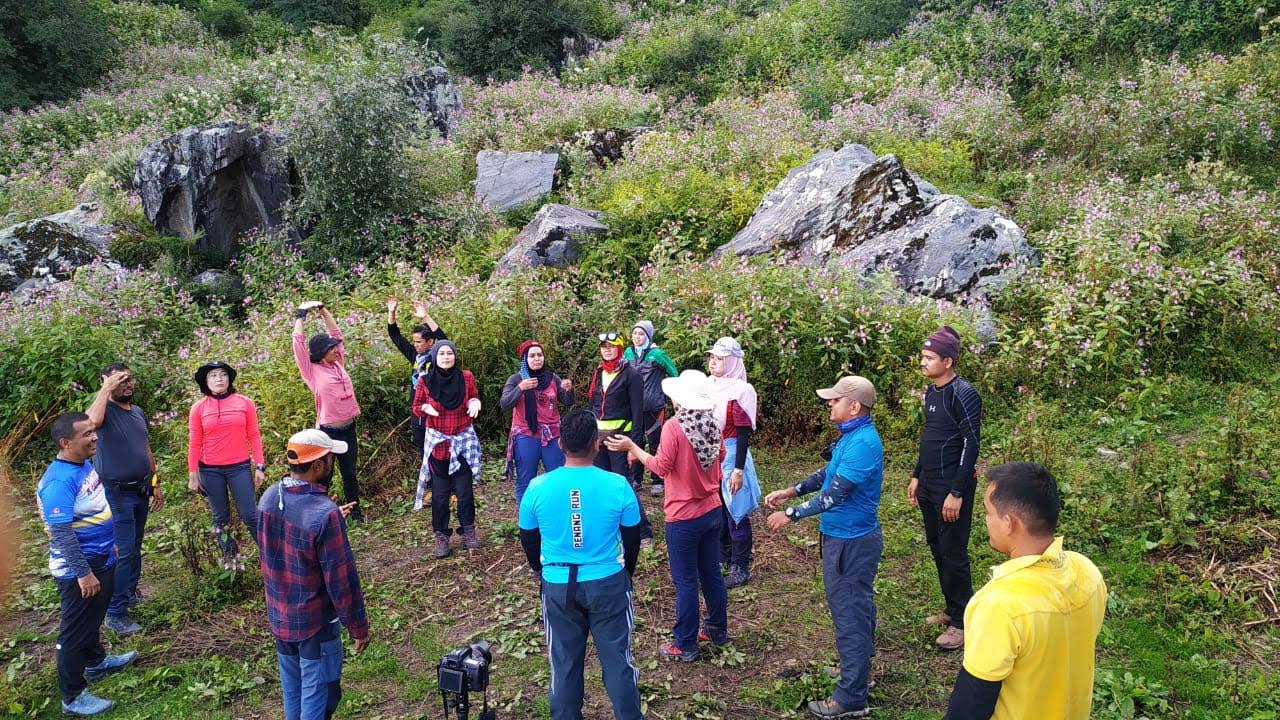
Beyond fitness and stamina, real trekking challenges begin when your body reacts unpredictably to altitude, food, isolation, and limited facilities.
This guide covers the problems most trekkers don’t talk about — but often face.
🥴 1. Gut Health & Digestion at High Altitude
At high altitude, oxygen levels drop, affecting digestion (see: Hypoxia).
- Loss of appetite
- Bloating or constipation
- Nausea
What helps:
- Eat small, frequent meals
- Prefer warm, simple food
- Avoid overeating at dinner
✅ Example: Many trekkers feel hungry but cannot eat — forcing food often worsens nausea.
👉 Instead, take a short break and let your body settle. Start with small, easy-to-digest foods like soup, khichdi, or a few bites of something warm. Sip water or an electrolyte drink slowly rather than eating a full meal at once.
If the nausea reduces, gradually increase your intake. But if it persists along with headache, dizziness, or fatigue, treat it as a possible early sign of altitude-related stress and inform your trek leader immediately.
Note on Constipation (very common on treks):
Constipation at high altitude happens due to a combination of dehydration, reduced food intake, low fiber diet, and slower digestion caused by altitude stress. Cold weather and reluctance to use basic toilets can also make people unconsciously hold it in — which worsens the problem.
- Hydrate more than usual — lack of water is the biggest trigger
- Add natural fiber — include foods like oats, fruits (if available), or soaked raisins
- Warm liquids help — start your day with warm water or tea to stimulate bowel movement
- Stay active — light walking after meals helps digestion
If the issue persists for more than 1–2 days, consider carrying a mild laxative or stool softener as part of your personal medical kit (after consulting a doctor).
💡 Tip: Don’t ignore the urge or delay it repeatedly — your body’s rhythm is already disrupted at altitude, and delaying can make constipation worse.
🩸 2. Menstrual Health During Treks
For women, trekking during periods can feel challenging — but with the right preparation, it becomes completely manageable and safe.
Altitude, cold weather, and physical exertion can sometimes delay or alter your cycle. You may also experience stronger cramps or fatigue due to dehydration and energy loss — this is normal.
- Carry menstrual products (pads or cups)
- Use biodegradable disposal bags
- Stay hydrated and eat well to manage cramps
Sanitary Pads vs Menstrual Cups — What’s better for treks?
- Sanitary Pads: Easier to use, especially for beginners. However, they need to be changed frequently, can feel uncomfortable during long walks, and generate waste that must be carried back. In cold conditions, changing pads can also be inconvenient.
- Menstrual Cups: More eco-friendly and suitable for multi-day treks since they can be reused. They require proper hygiene (clean hands and access to water), and some experience in usage. For experienced users, cups are often more comfortable and reduce the need to carry waste.
Simple rule: If you're new to trekking or unsure, pads may feel easier. If you're experienced and comfortable, menstrual cups are usually the better long-term option in the mountains.
Why disposal bags are important:
Mountains are extremely sensitive ecosystems, and waste does not decompose easily in cold, high-altitude conditions. Leaving sanitary waste behind not only harms the environment but also affects local communities and wildlife.
- Always carry biodegradable disposal bags or zip-lock bags
- Wrap used pads properly and seal them inside the bag
- Do not bury or burn them — they do not decompose properly and can pollute the area
- Carry the waste back to the nearest proper disposal point (base village or city)
🌱 Responsible trekking means carrying back everything you bring — including sanitary waste.
How informing your trek leader helps:
Many women hesitate to share discomfort — but trek leaders are trained to handle such situations discreetly and supportively.
- They can adjust your pace or allow extra rest if you're experiencing cramps or fatigue
- Help you access safer, more private spots at campsites
- Provide basic medication or first aid if needed
- Ensure you don’t feel pressured to keep up when your body needs recovery
✅ Tip: You don’t have to push through discomfort silently — a small conversation can make your trek significantly easier and more comfortable.
🤕 3. Joint Pain, Fatigue & Older Trekkers
Age is not a barrier in trekking — but your body responds differently compared to your 20s. Recovery is slower, joints are less forgiving, and fatigue tends to build up over consecutive days.
One of the most common issues is knee pain during descents. While climbing uses muscle strength, descending puts repeated stress on your knee joints as they absorb impact with every step. Over time, this leads to strain, especially if muscles around the knee are not strong enough.
- Knee pain during descents due to continuous impact
- Muscle fatigue accumulation over multi-day trekking
- Slower recovery after long walking hours
What actually helps on the trail:
- Use trekking poles properly: They reduce load on your knees by distributing weight to your upper body — especially useful during descents
- Control your pace: Fast walking increases impact stress. A slow, steady rhythm conserves energy and protects joints
- Take short, regular breaks: Instead of pushing until exhaustion, pause briefly every 30–45 minutes to prevent fatigue buildup
- Wear knee support if needed: Helpful for those with previous knee issues, but should not replace proper pacing and technique
Small but important habits:
- Take shorter steps while descending — avoid “jumping” downhill
- Land your feet softly and maintain balance
- Stretch lightly at the end of the day to reduce stiffness
If pain starts increasing instead of stabilizing, don’t ignore it. Early care — slowing down, resting, or adjusting load — prevents it from becoming severe enough to stop your trek.
💡 Tip: Trekking is not about speed — the slowest, most consistent trekkers are often the ones who complete long treks comfortably.
🧠 4. Mental Health on Solo Treks
Isolation, silence, and physical stress can impact mental well-being more than most trekkers expect.
- Feelings of loneliness: Even in beautiful surroundings, the lack of familiar people and routine can make you feel disconnected after a couple of days. This is normal — your mind is adjusting to a completely different environment.
- Anxiety or self-doubt: Fatigue, altitude, and unfamiliar terrain can trigger thoughts like “Can I really do this?” — especially when you’re alone. These thoughts often come and go with energy levels.
This is linked to environmental stress and altitude (see: Environmental Psychology).
How to cope:
- Stay socially connected: Even on a solo trek, talk to fellow trekkers or your group during breaks and meals. Small interactions help stabilize your mood more than you realize.
- Anchor your mind: Journaling, taking photos, or simply observing your surroundings mindfully helps prevent overthinking and keeps your mind present.
- Don’t resist the feeling: Accept moments of discomfort instead of fighting them. Once you acknowledge them, they usually pass faster.
💡 Tip: If your thoughts feel overwhelming, pause — sit down, hydrate, breathe slowly, and reset before continuing.
🦠 5. Preventing Infections in Camps
Shared camps and limited facilities increase the risk of infections if basic hygiene is ignored.
- Sanitize consistently: Always clean your hands before eating or after using the toilet. This one habit alone prevents most stomach-related issues on treks.
- Avoid sharing personal items: Bottles, utensils, or even small items like lip balm can spread infections quickly in close environments.
- Take care of your feet: Damp socks and sweat can lead to fungal infections. Changing into dry socks and airing out your shoes at camp is a simple but powerful habit.
At high altitude, even minor infections feel worse because your body is already under stress — so prevention is far more important than treatment.
🍲 6. Food Poisoning Risks on Treks
Food safety becomes critical in remote areas where storage and hygiene conditions are limited.
- Stick to freshly cooked meals: Hot, freshly prepared food is always safer. Avoid anything that has been sitting out or exposed for long.
- Avoid raw or risky food: Cut fruits, salads, or uncooked items can carry contamination if not handled properly.
- Be careful with water: Always drink filtered, boiled, or purified water. One unsafe source can disrupt your entire trek.
Foodborne illness (see: Food Poisoning) can escalate quickly in the mountains, so staying cautious is essential.
💡 Tip: When in doubt, choose simple, hot food over variety.
😵 7. Sleep Deprivation & Performance
Sleep at altitude is often lighter and interrupted, which directly impacts your energy levels.
- Irritability and fatigue: Poor sleep over multiple nights leads to low energy, mood swings, and slower walking pace.
- Reduced stamina: Your body doesn’t recover fully, making each day feel harder than the last.
How to improve sleep:
- Stay warm: Cold is one of the biggest reasons for disturbed sleep. Proper layering and insulation make a major difference.
- Maintain a routine: Try to sleep and wake at consistent times to help your body adapt.
- Avoid overstimulation: Reduce late-night activity and let your body wind down naturally.
💡 Tip: Even if you don’t sleep deeply, lying down and resting still helps recovery.
🏕️ 8. Staying Healthy with Minimal Facilities
Treks come with limited water, basic toilets, and minimal comfort — adapting to this is part of the experience.
- Carry hygiene essentials: Wet wipes, sanitizer, and small personal items help maintain cleanliness even without proper facilities.
- Use quick-dry clothing: These dry faster and help maintain hygiene when washing options are limited.
- Stay organized: Keeping essentials easily accessible saves energy and prevents unnecessary stress during the day.
The key is not carrying more — but carrying smart and adapting quickly to the environment.
✅ Smart trekkers stay organized, adapt early, and conserve energy for what truly matters — the trek itself.
🌄 Final Thoughts
The Himalayas test not just your strength — but your awareness.
Knowing how your body reacts, and how to respond, is what separates a completed trek from an abandoned one.
