WhatsApp FAQs
×

Trek Grade Guide:


Trekking in the Himalayas is a true adventure experience — a journey into high-altitude wilderness where nature exists in its most raw and powerful form. Every trek comes with physical challenges, unpredictable weather, and varying terrain. Choosing the right trek grade is essential not just for a great experience, but also for safety and proper acclimatization.

To help you make the right choice, treks are categorized into three levels based on altitude, terrain, duration, and overall difficulty:

Easy (Beginner-Friendly Treks):
Ideal for first-time trekkers or those looking for an easy trek in the Himalayas. These treks usually last up to a week, with shorter hiking days, gradual altitude gain, and a maximum altitude of around 14,000 ft. The terrain remains well-defined, often within or near the tree line, with civilization relatively accessible. Weather conditions are more predictable, making these treks safer and easier to manage, with quicker rescue access if required.

Moderate Treks:
Designed for trekkers with some prior experience or good fitness levels. These treks may extend beyond a week and include a mix of short and long trekking days, with altitudes reaching up to 16,000 ft. You move above the tree line into more rugged landscapes — including alpine meadows, moraines, and high-altitude terrain. Weather becomes more unpredictable, and conditions can change suddenly. While still manageable, these treks require better preparation, endurance, and mental strength.

Difficult (Expedition-Level Treks):
These are high-altitude expeditions meant for experienced trekkers. Routes often exceed 17,000 ft and pass through glaciers, snowfields, steep ascents, river crossings, and technical terrain. Treks can last up to two weeks, taking you far from civilization into extreme Himalayan conditions. Weather can shift rapidly, and sections may require technical equipment like ropes or ice axes. Rescue in such regions is complex, making experience, self-sufficiency, and strong mental resilience absolutely essential.

Understanding these categories helps you choose a trek that matches your fitness, experience, and expectations — ensuring a safe, enjoyable, and truly memorable Himalayan adventure.

×


PriceNote – Listed Price & Customisation Rules:
The listed trek price applies to our fixed departures for the specified itinerary. Trek fees including any add-ons for customized groups may vary based on your preferences, ensuring every adventure is tailored to your needs.

Group Booking Offer:
For groups of 8 or more booking together, the trek fee for 1 participant will be waived as a token to encourage shared adventures.

Scholarship for Kids:
Children under 15 years receive a 30% discount on the trek price, making it easier for families to explore the Himalayas together.

×


Transport Price Note:
The transport price mentioned is only an current indicative estimate per person, assuming a Non-AC vehicle like Bolero shared by at least 4 participants.
Fewer participants → cost rises;
More participants → cost decreases.

Transport Selection During Booking:
Selecting transport during booking informs us of your preference. No payment is collected at booking.

Final Cost & Payment:
Final transport cost will be communicated before departure and to be paid directly to the cab driver.

×

Itinerary Note:
This itinerary represents the most updated plan, but minor adjustments may occur due to operational needs or mountain conditions.

Deoriatal Chandrashila Trek

A Perfect Himalayan Panorama

Gallery

Trek Overview

  • Trek Duration: 5 Nights / 6 Days
  • Trek Grade: Easy ?
  • 🏔️ Max Altitude: 12,000 ft (Chandrashila peak)
  • Trek Distance: 32 Km
  • 🌤️ Best Time: September-May
  • 🗺️ Region: Rudrayaprayag district, Kedarnath Wildlife Sanctuary, Uttarakhand
  • 📍 Start Point: Sari
  • 🏁 End Point: Sari
  • 🧥 Cloakroom facility: Available

Price starting from ?

INR 10,400 * Sari to Sari

*Price inclusive of all applicable taxes (GST included).

Small group sizes • High guide-to-trekker ratio • No hidden costs

Addons (Optional)

  • Transportation – INR 4,000 (* Haridwar to Haridwar) ?
  • Offloading Bags – INR 1,500 (* Maximum weight 9kg / bag)

Need a different date?

We can arrange a custom departure if 3+ trekkers align.

Walking The Trail

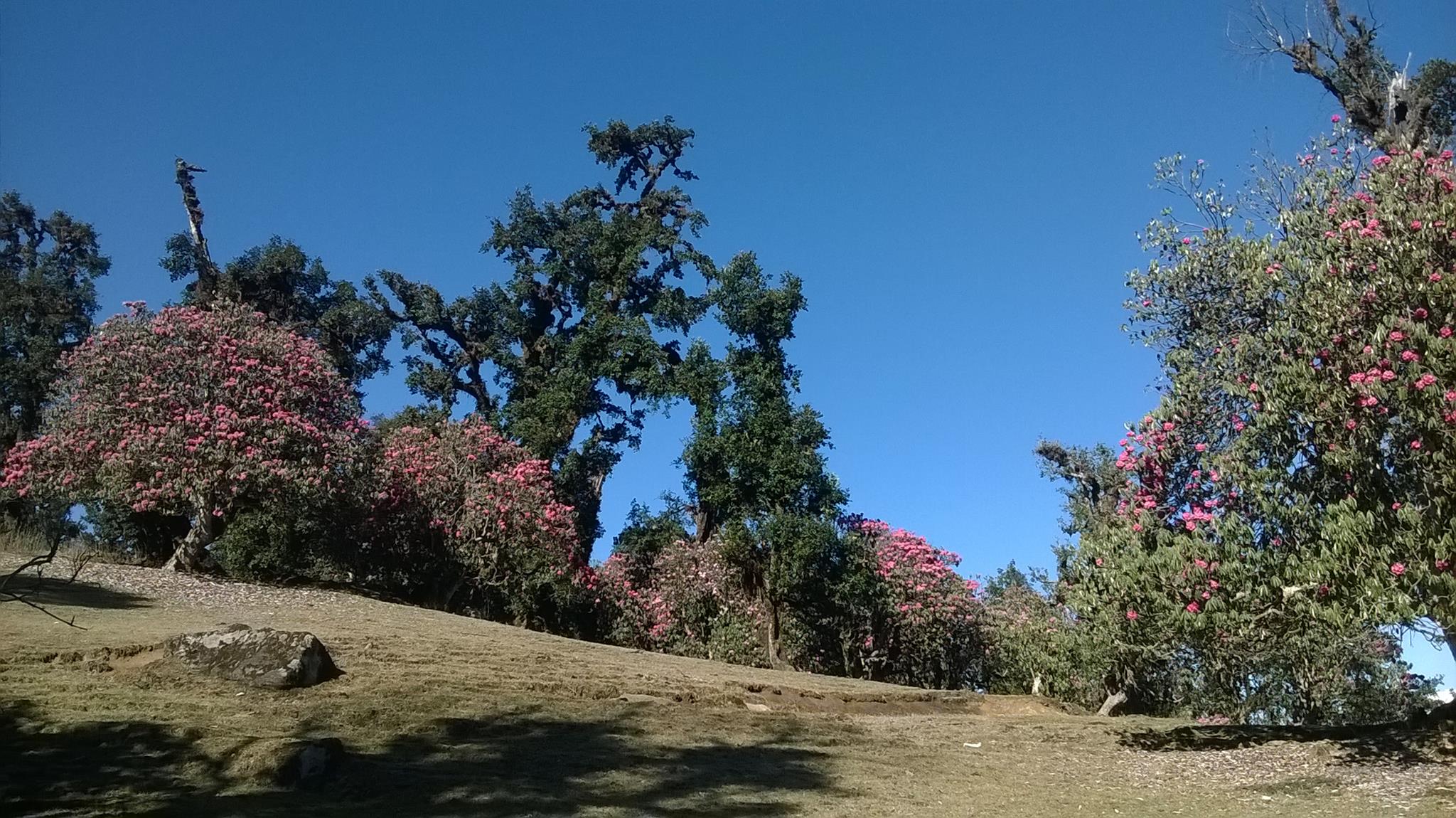
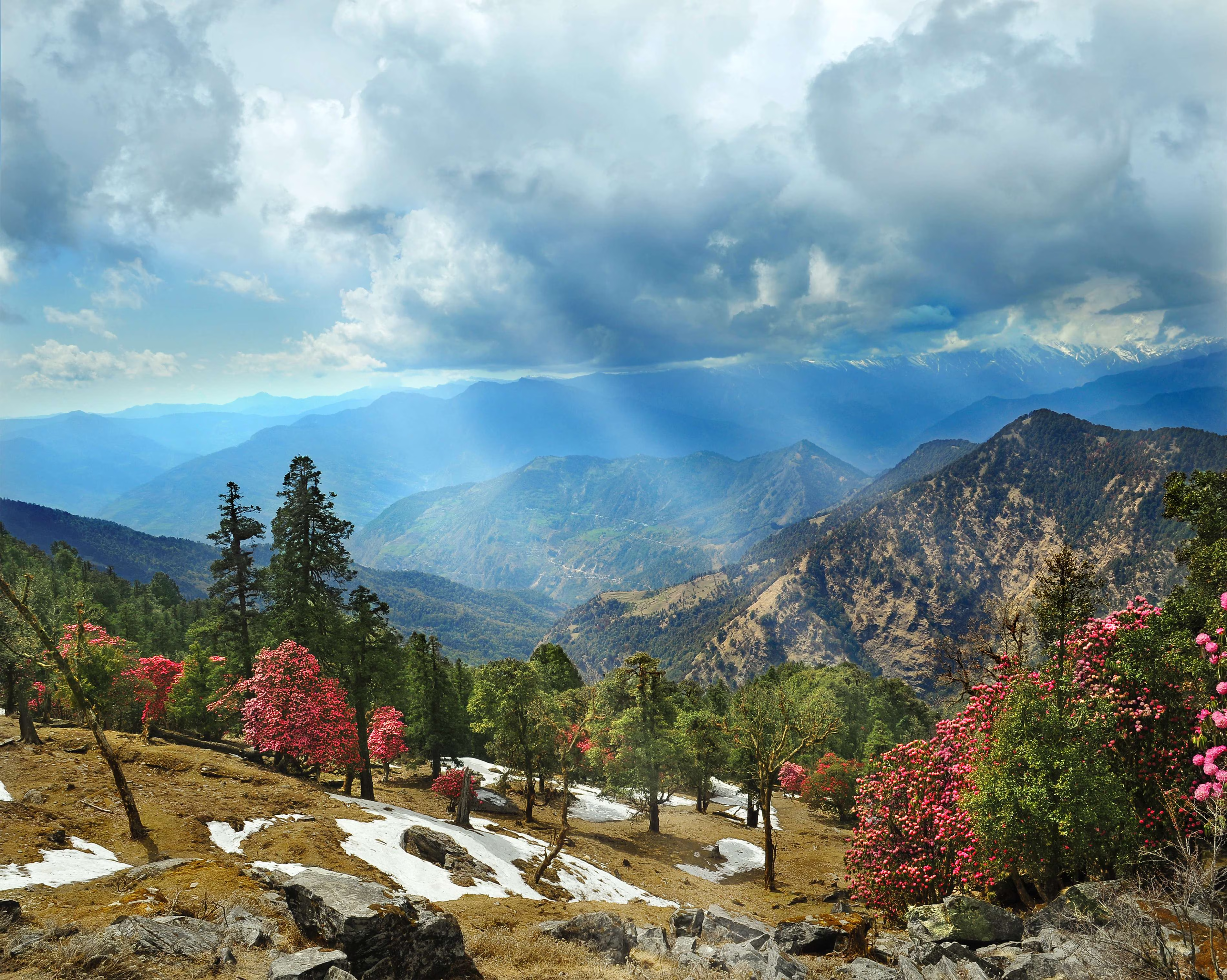
Experience a side of the Garhwal Himalayas that feels both mythical and impossibly serene. The Deoriatal–Chandrashila Trek begins gently, winding through ancient oak and rhododendron forests where the air is cool, birdsong echoes between the trees, and the forest floor glows with moss and wildflowers. As you climb, the landscape becomes a moving canvas — Himalayan woodpeckers darting between branches, verditer flycatchers glowing turquoise in the sunlight, and the elusive Himalayan Monal flashing iridescent colours in the undergrowth.
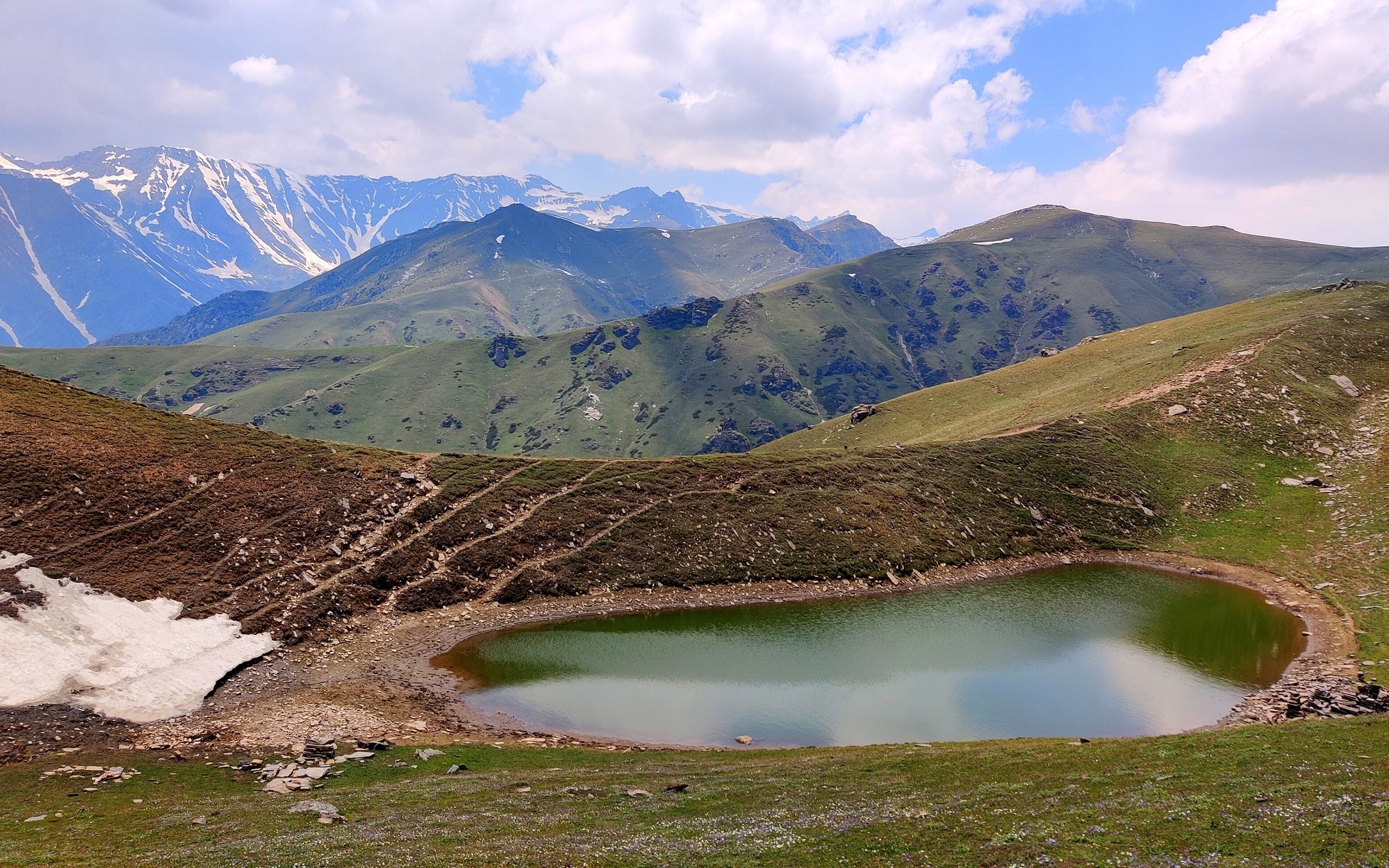
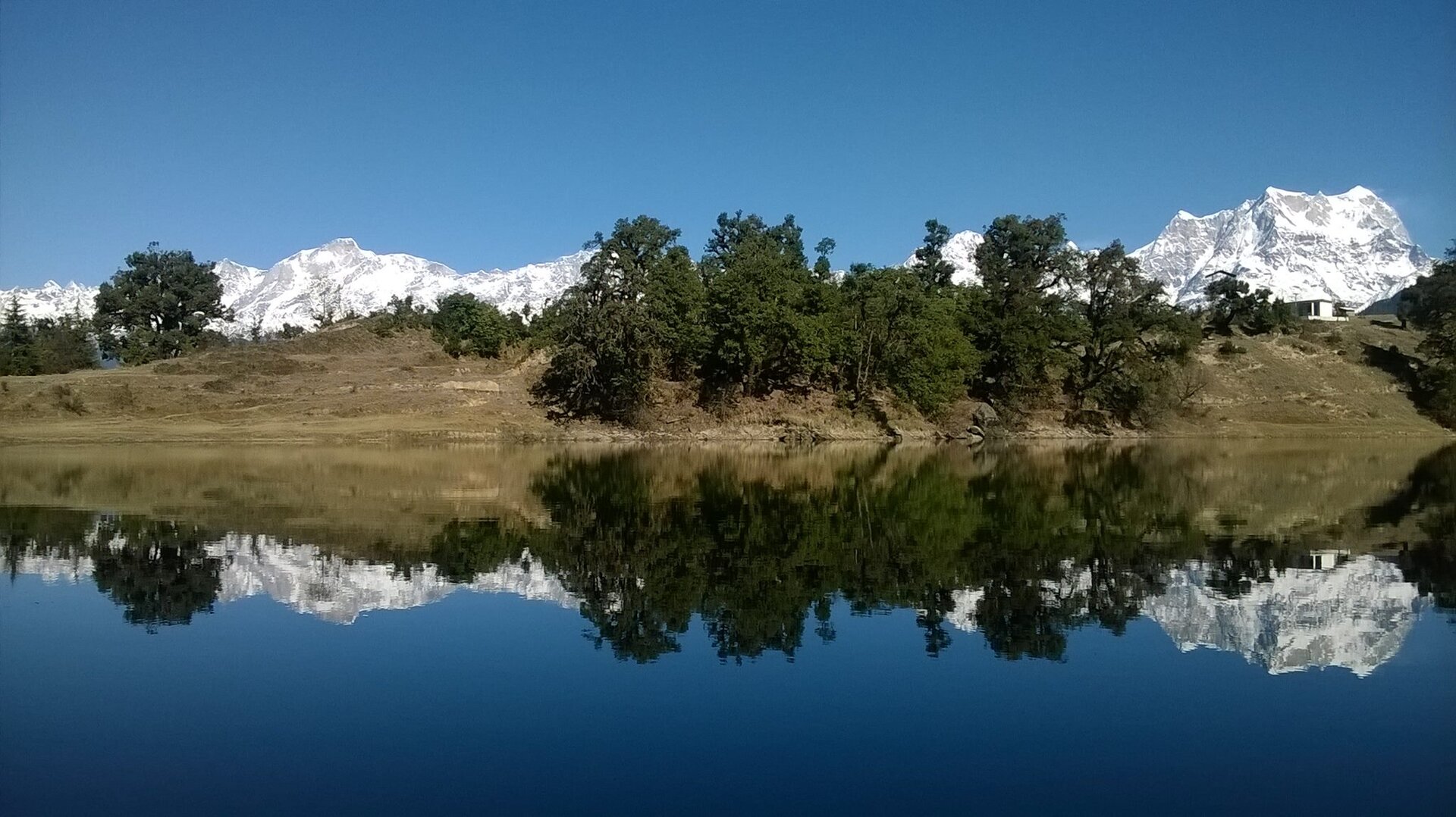
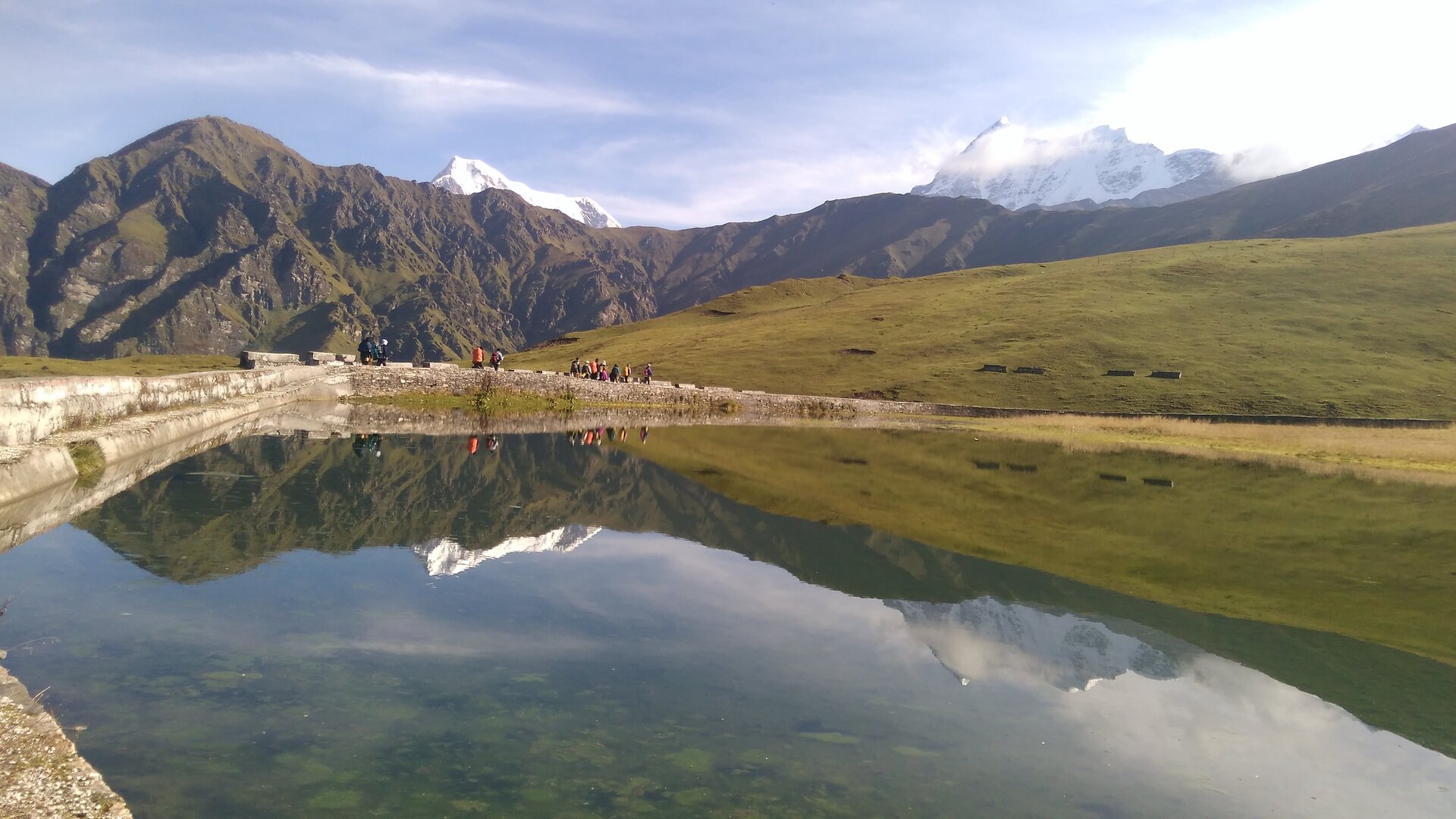
Soon the trail opens to the emerald shores of Deoriatal, a quiet, glass-still lake set against a backdrop of towering snow peaks of Chaukhamba and Kedarnath range. Locals believe gods and goddesses once bathed here — and when you see Chaukhamba reflected perfectly in the water, you’ll understand why this place feels sacred.
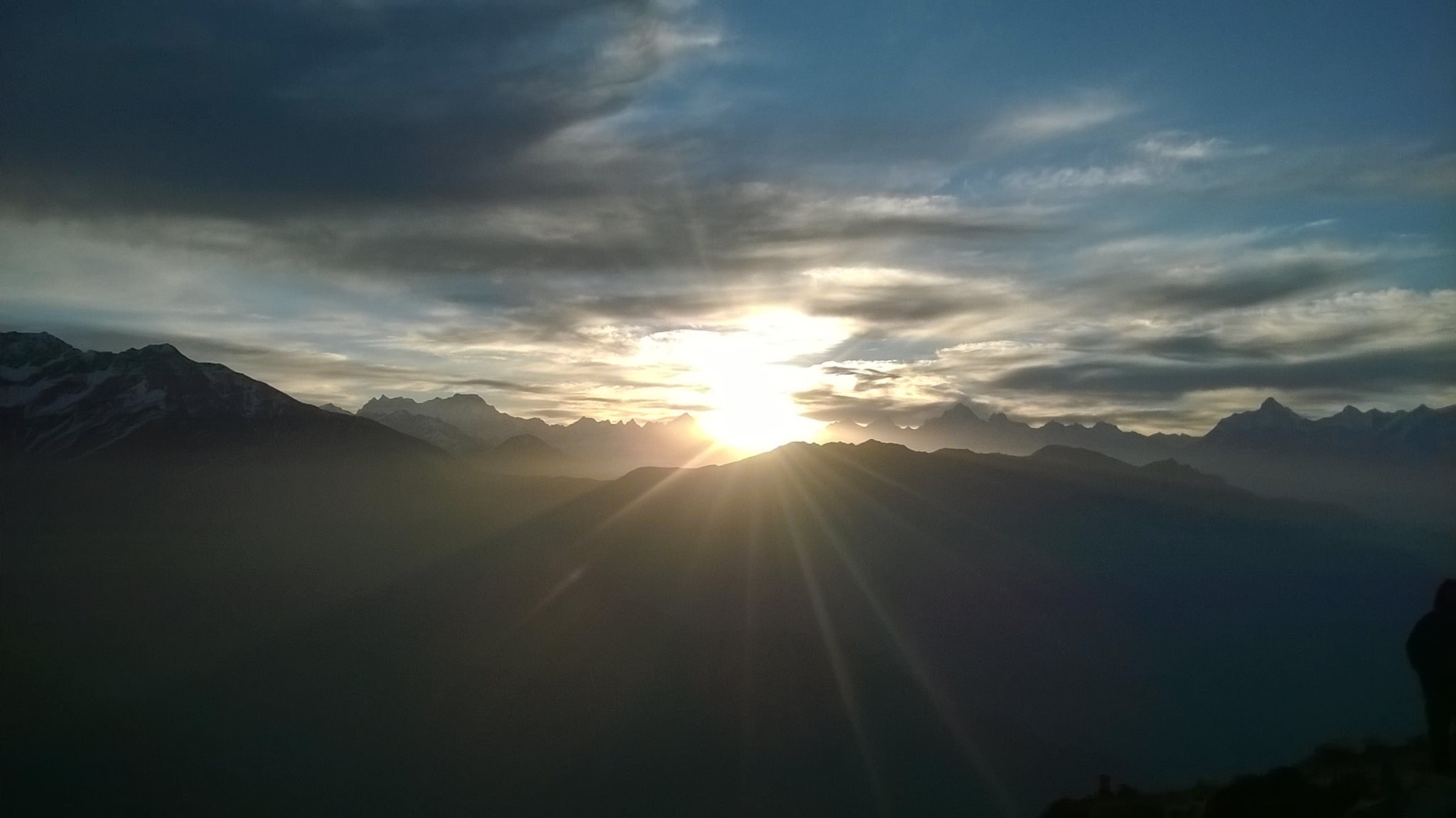
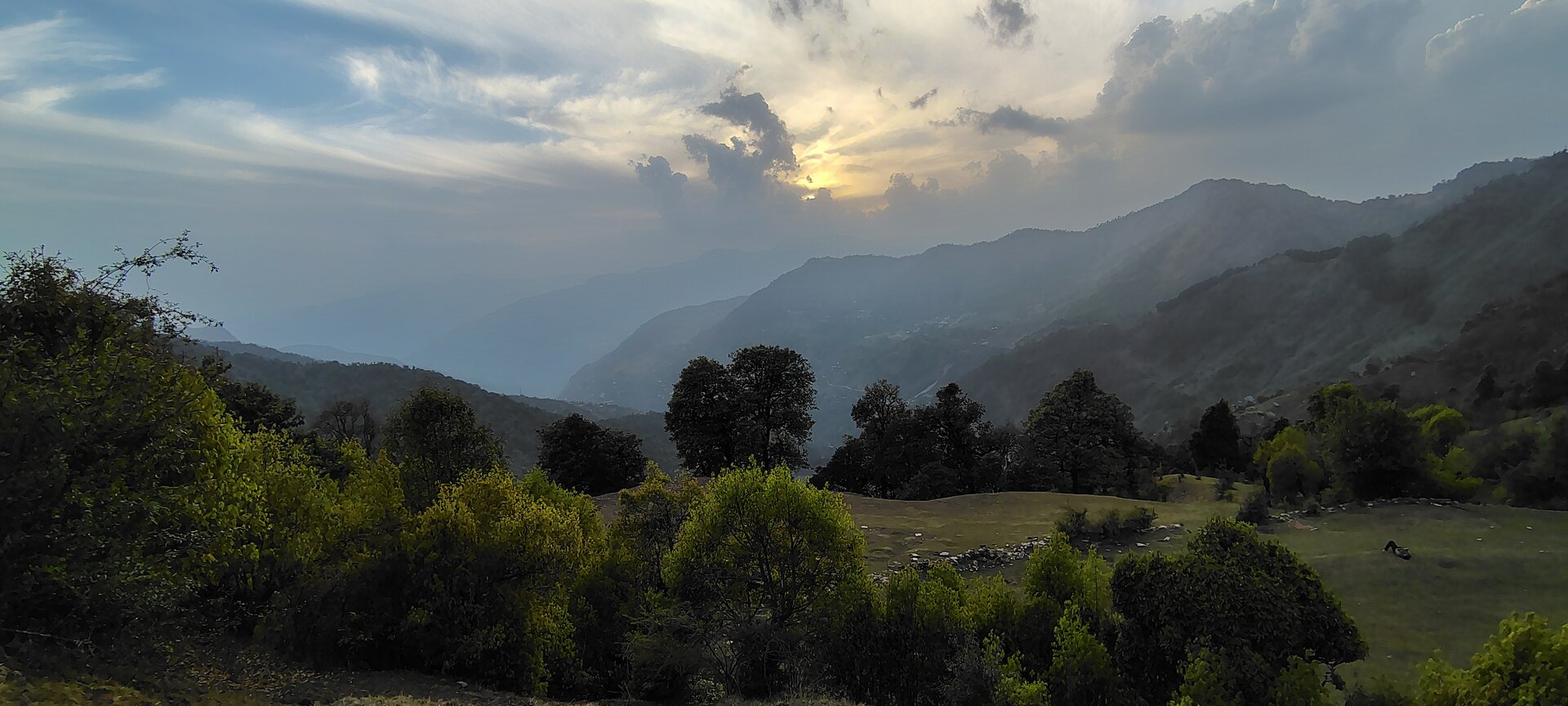
Beyond the lake lie wide, breezy meadows like Rohini and Shyalmi Bugyal, where the world suddenly expands. Shepherd shelters, soft grasslands dotted with seasonal blooms, and sweeping ridgelines guide you forward as the forests slowly give way to open Himalayan wilderness. Sunrise and sunset here are unforgettable — golden light spilling across distant ranges, clouds drifting like slow rivers below your feet.
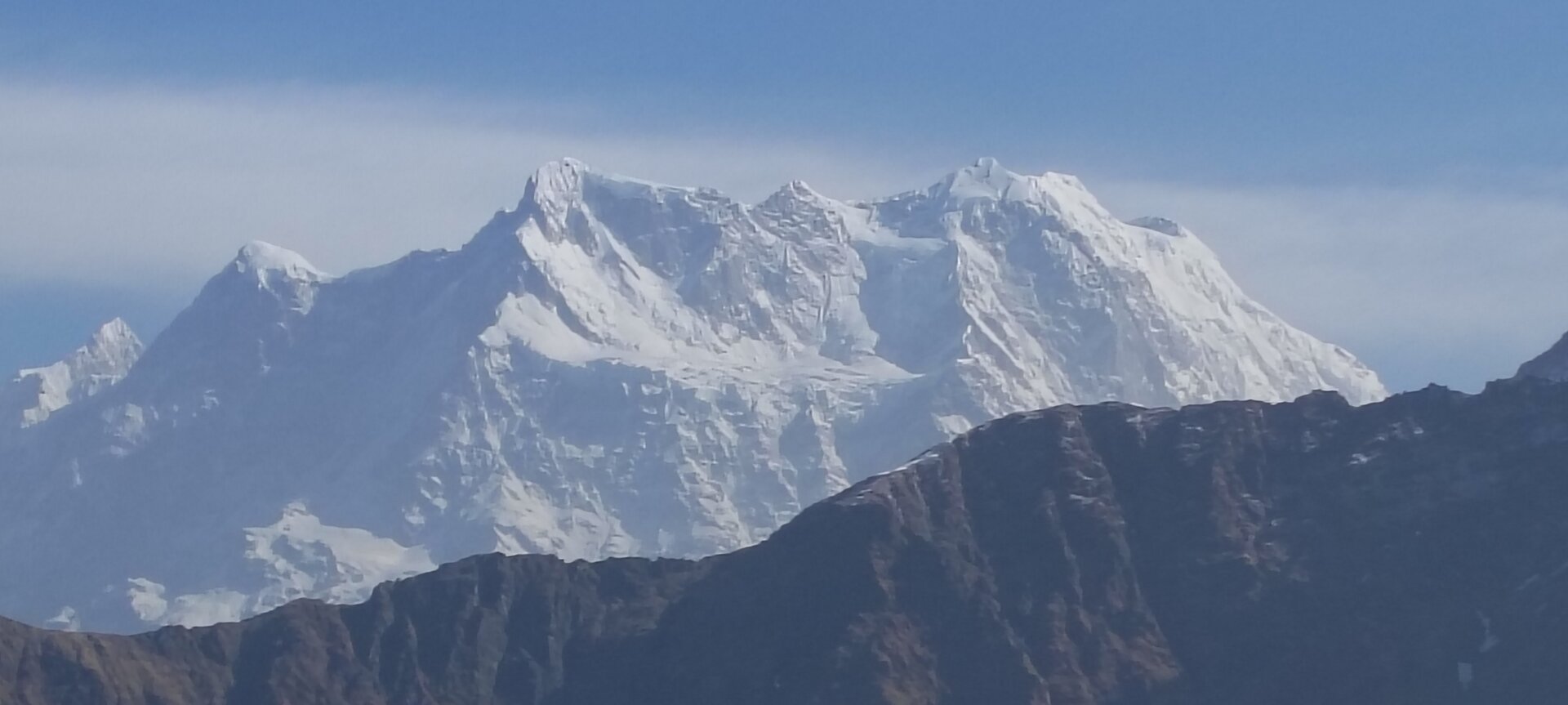
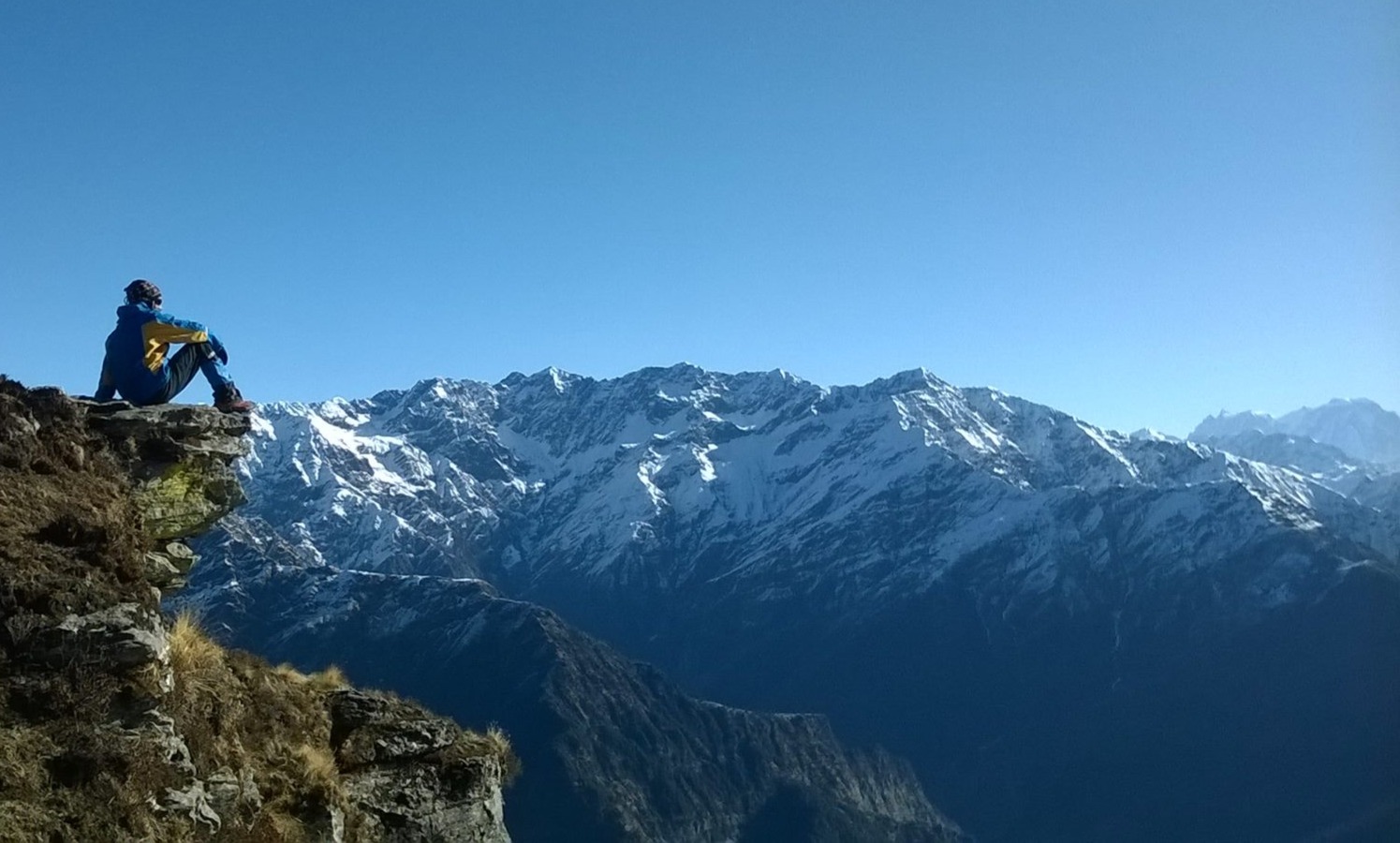
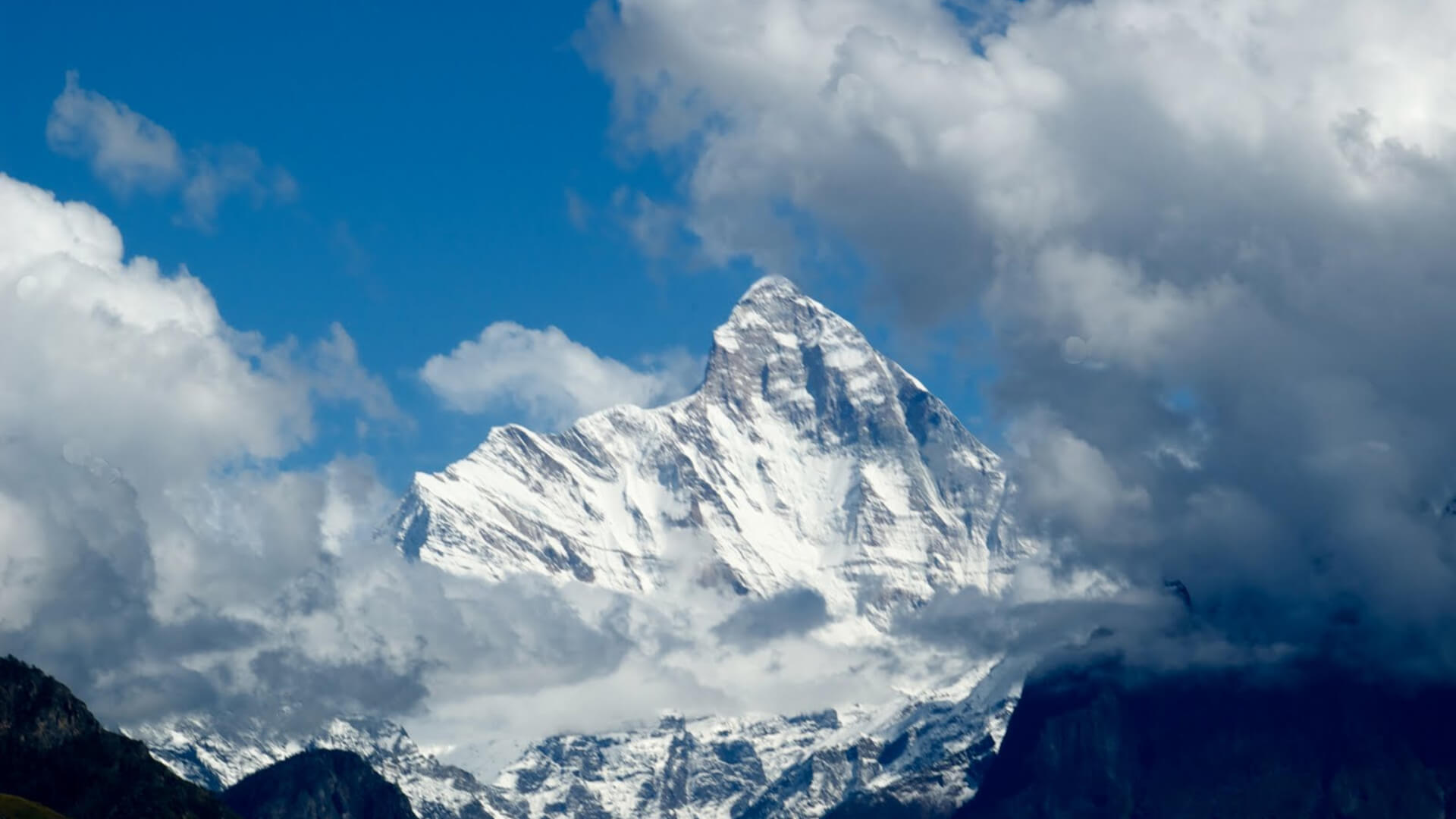
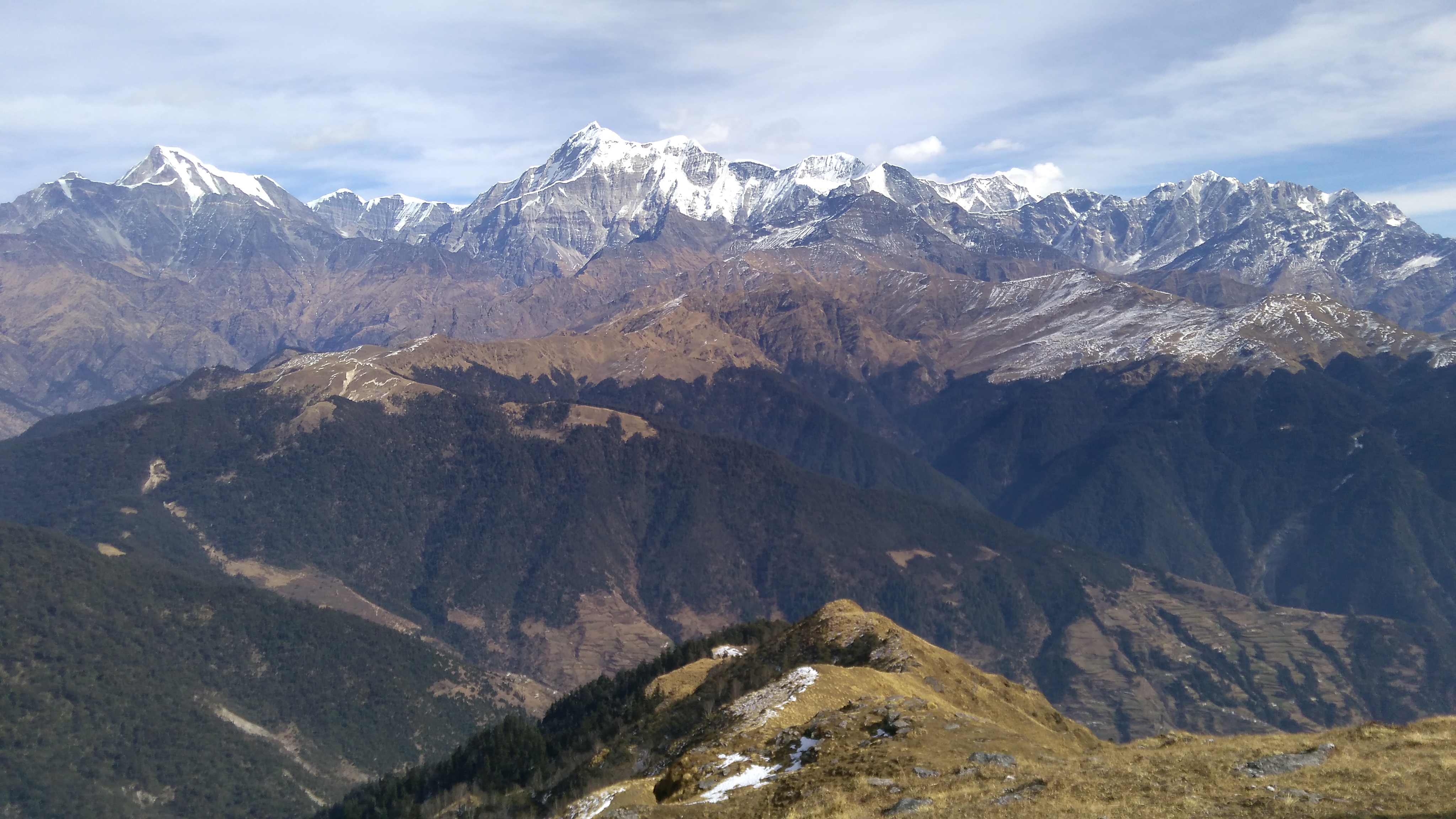
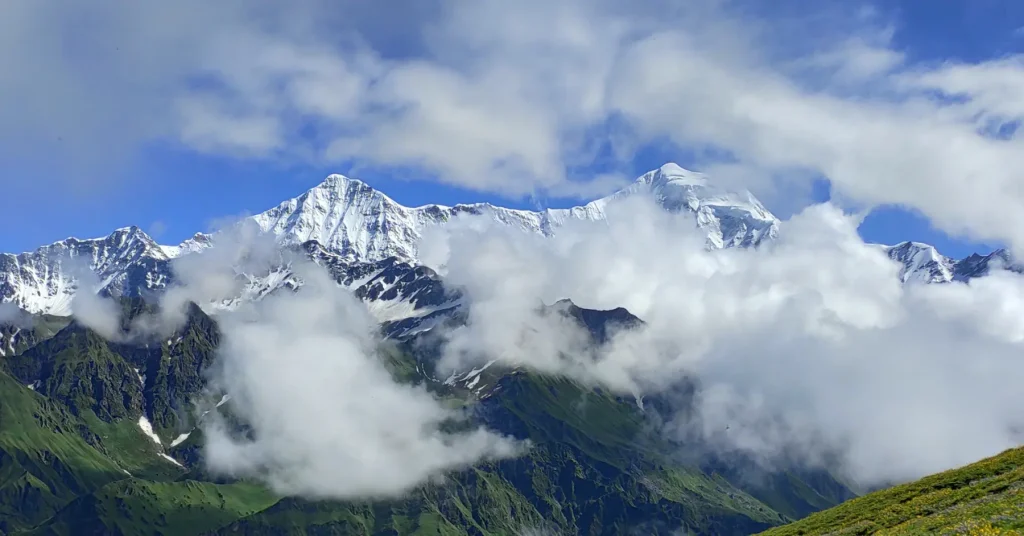
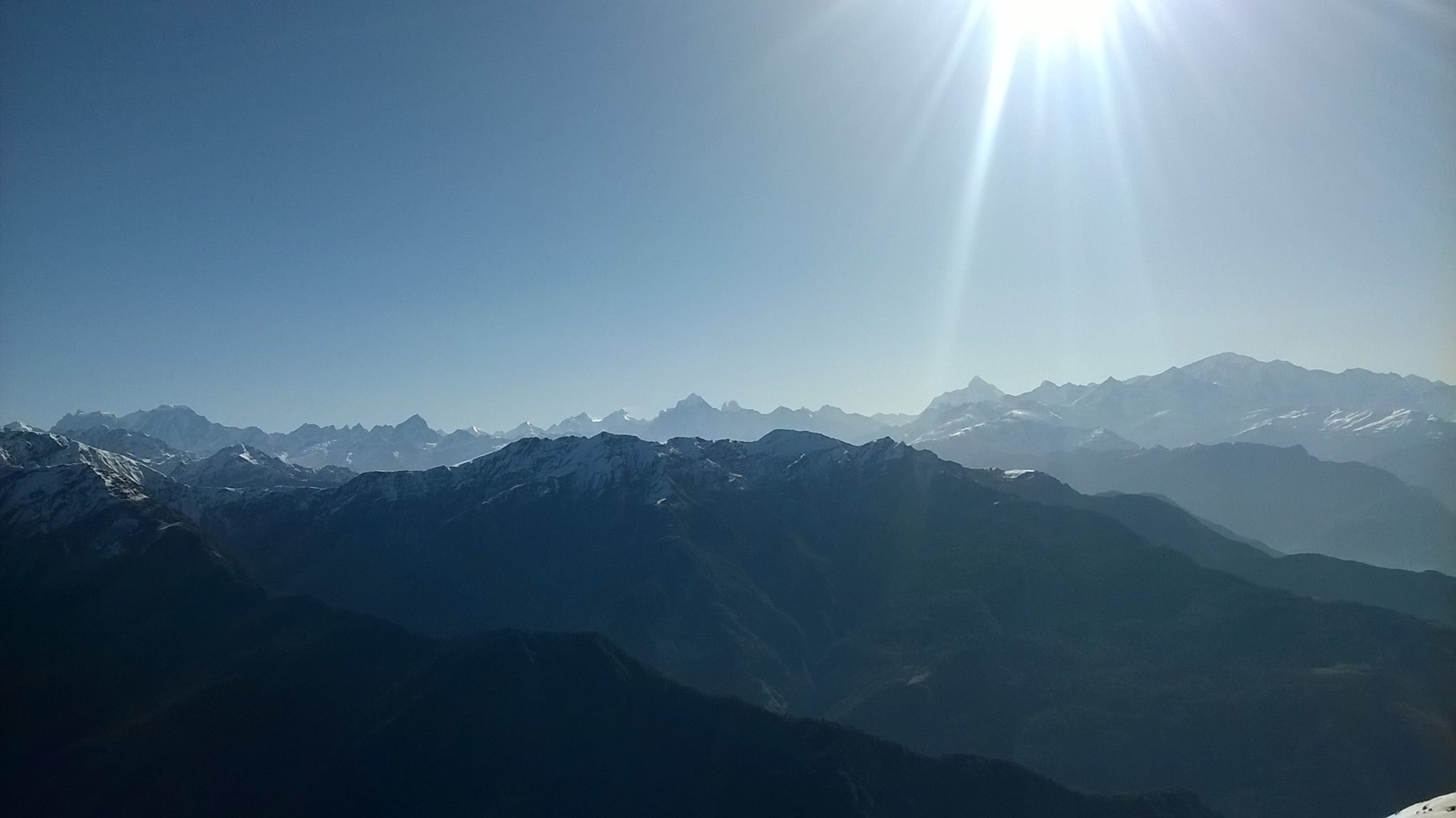
The final ascent to Chandrashila Peak (12,083 ft) is short but exhilarating. As you reach the summit, the horizon bursts open into a full 360° panorama of the greatest Himalayan giants — Nanda Devi, Trishul, Chaukhamba, Kedar Dome, Kamet, Nilkanth, and countless unnamed ridges fading into the sky. No other easy–moderate trek offers a summit view this grand.
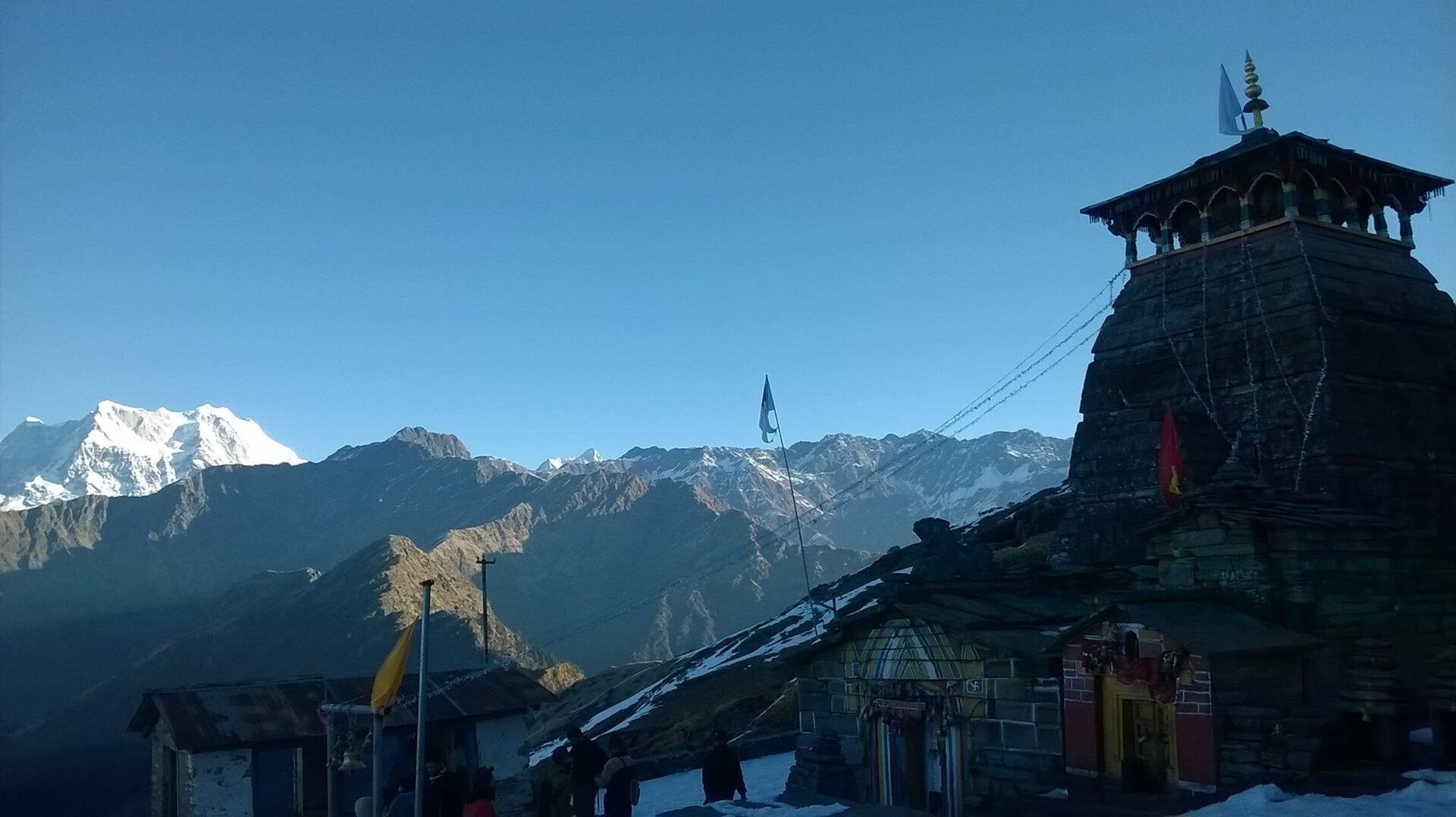
Along the way, the spiritual heartbeat of the region accompanies you — especially at the Tungnath Temple, the highest Shiva temple in the world, standing resilient against roaring winds and centuries of snow.
This trek is more than a scenic trail — it’s a gentle, soul-stirring journey where forests, lakes, meadows, mythology, and mountains come together to create an experience that stays with you long after the trek ends.
Read More

Highlights

✅ Trek starts from Sari Village, a scenic hamlet nestled in the Garhwal Himalayas

✅ Visit the tranquil Deoriatal Lake, reflecting snow-capped peaks

✅ Walk through lush green forests of rhododendron, maple, and oak in the Chopta region

✅ Camp in the serene Shyalmi Bugyal (meadow) under starlit skies

✅ Stay in Swiss tents at the picturesque Baniyakund

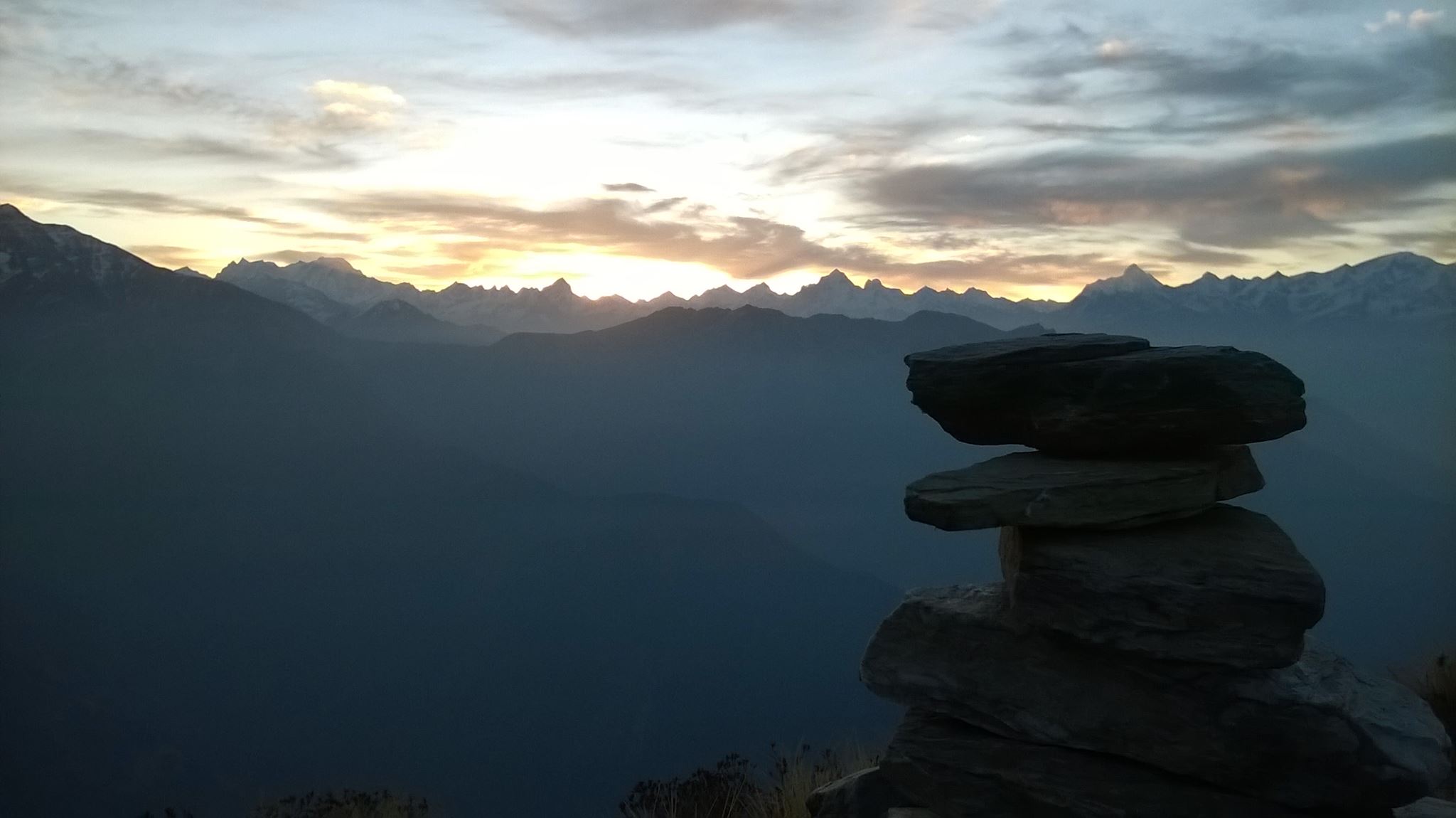
✅ Catch sunrise from Chandrashila, one of the most breathtaking views in Uttarakhand

✅ A perfect blend of spirituality, adventure, and nature — this trek is ideal for both beginners and seasoned trekkers looking for a rewarding Himalayan experience.

Itinerary

?
• Drive: From Rishikesh → Sari Village (195 km / 7–8 hrs).
• Your journey begins from Rishikesh — the last bustling foothill town before the Himalayas rise ahead. The drive snakes along the turquoise Alaknanda and Mandakini rivers, crossing Devprayag where these two sacred waters merge to form the Ganga. Every turn introduces you to deeper mountain silence, mist curling around pine forests, and distant peaks glimmering above terraced valleys.
As you reach Sari by late afternoon, the air feels cooler and sharper. Tiny homestays line the narrow road, prayer flags flutter in the wind, and the first view of the mountains fills you with quiet excitement. Evenings here are simple — a cup of tea with the villagers, the smell of wood-smoke, and the sound of crickets echoing through the valley. This is where your trek officially begins. Overnight stay in Sari Village Guest House / Homestay
• Trek Distance: 4.1 km | Duration: 2.5–3 hrs.
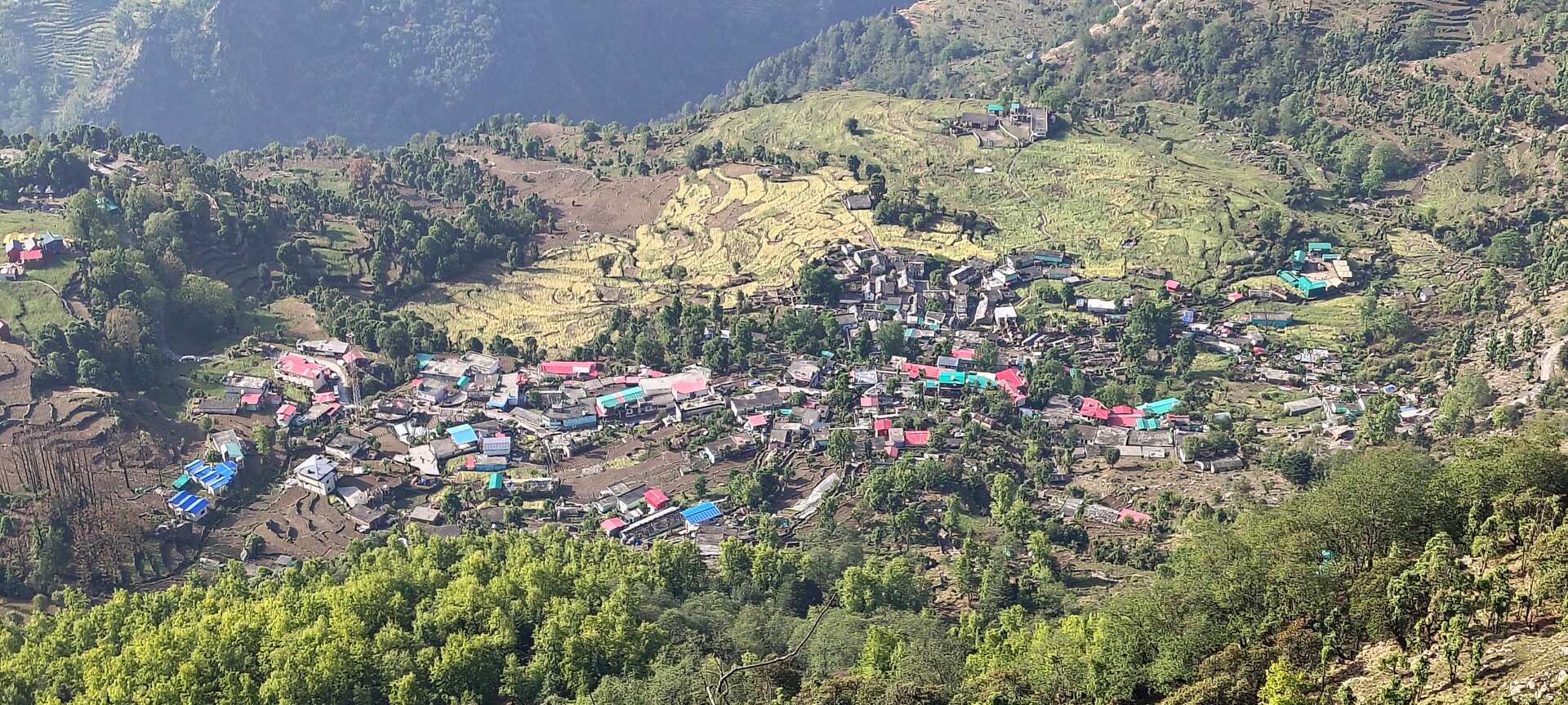
• The day begins in the quiet mountain village of Sari, where trails wind past terraced fields and stone houses. After breakfast, you set out on a gradual uphill path that gently curves through oak, rhododendron, and maple forests alive with mountain birds.
About an hour into the trek, the trees thin out to reveal wide views of the valley below. Far ahead, the twin landmarks of Tungnath Temple and Chandrashila summit appear faintly across the ridgeline — a hint of what lies further on this journey.
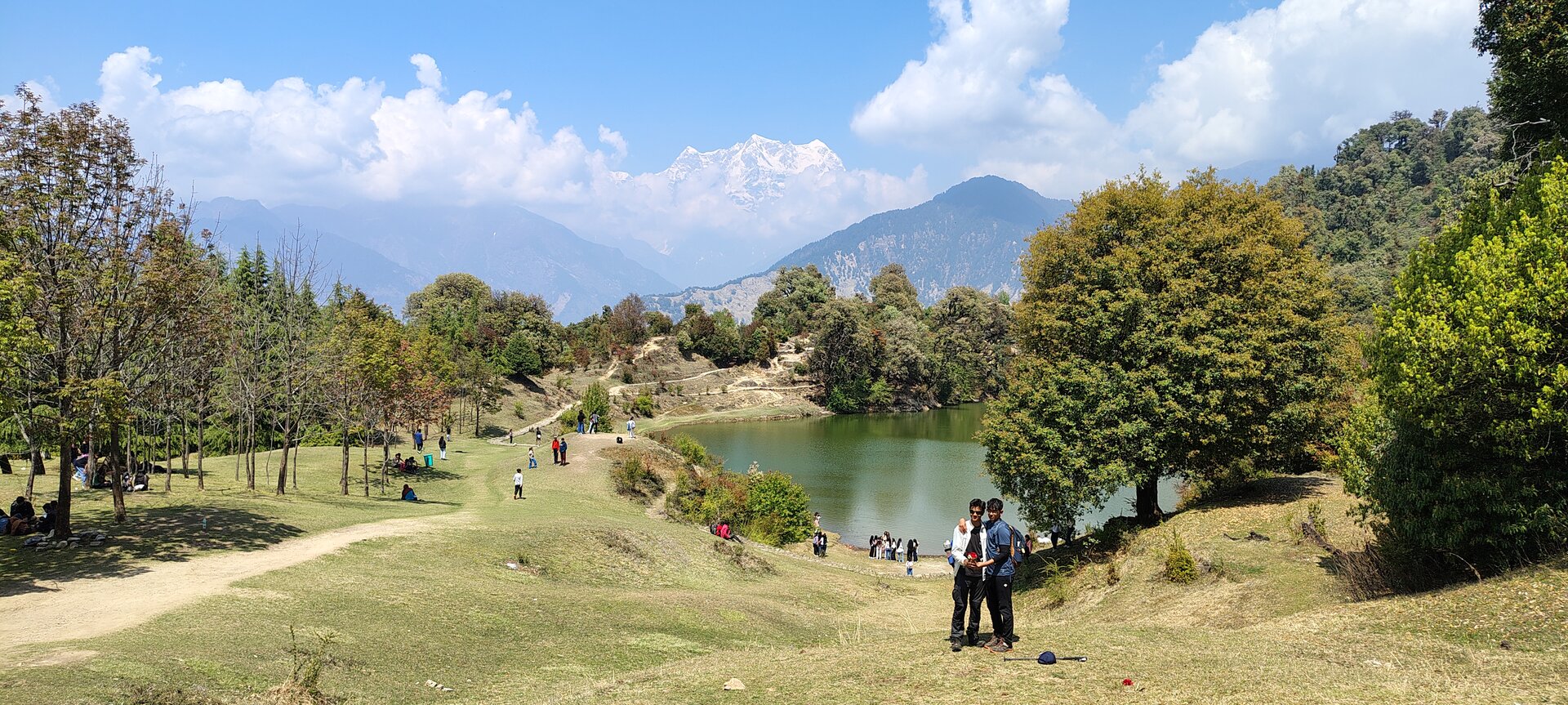
The trail soon passes through Ropini Bugyal, a beautiful open meadow where you can rest and take in the first grand view of Mt. Chaukhambha glowing in the distance. From here, the final stretch meanders through a shaded forest and then suddenly opens up to the shimmering emerald waters of Deoriatal.
The reflection of the snow-clad Chaukhambha massif on the lake is a sight that stops every trekker in awe. Legends say the lake was once a celestial bathing spot for the gods — and as you stand there in silence, it’s easy to believe it.
Since camping by the lake is restricted, you trek another short stretch uphill (about 400 m) to the forest campsite. Don’t miss the sunset over the lake — when the mountains turn golden and their reflections dance on the still water, it feels like the Himalayas are quietly breathing with you.
• Trek Distance: 9.1 km | Duration: 6–7 hrs.
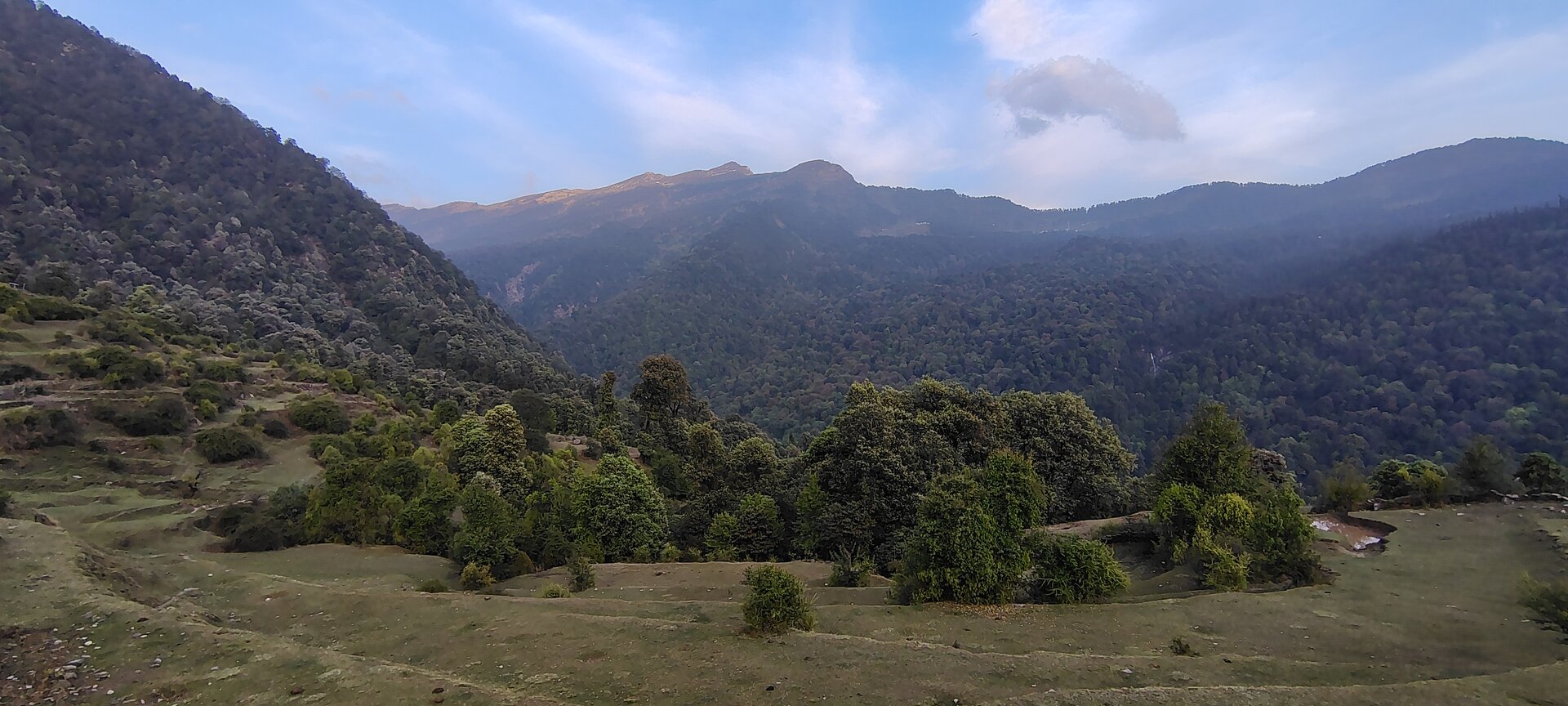
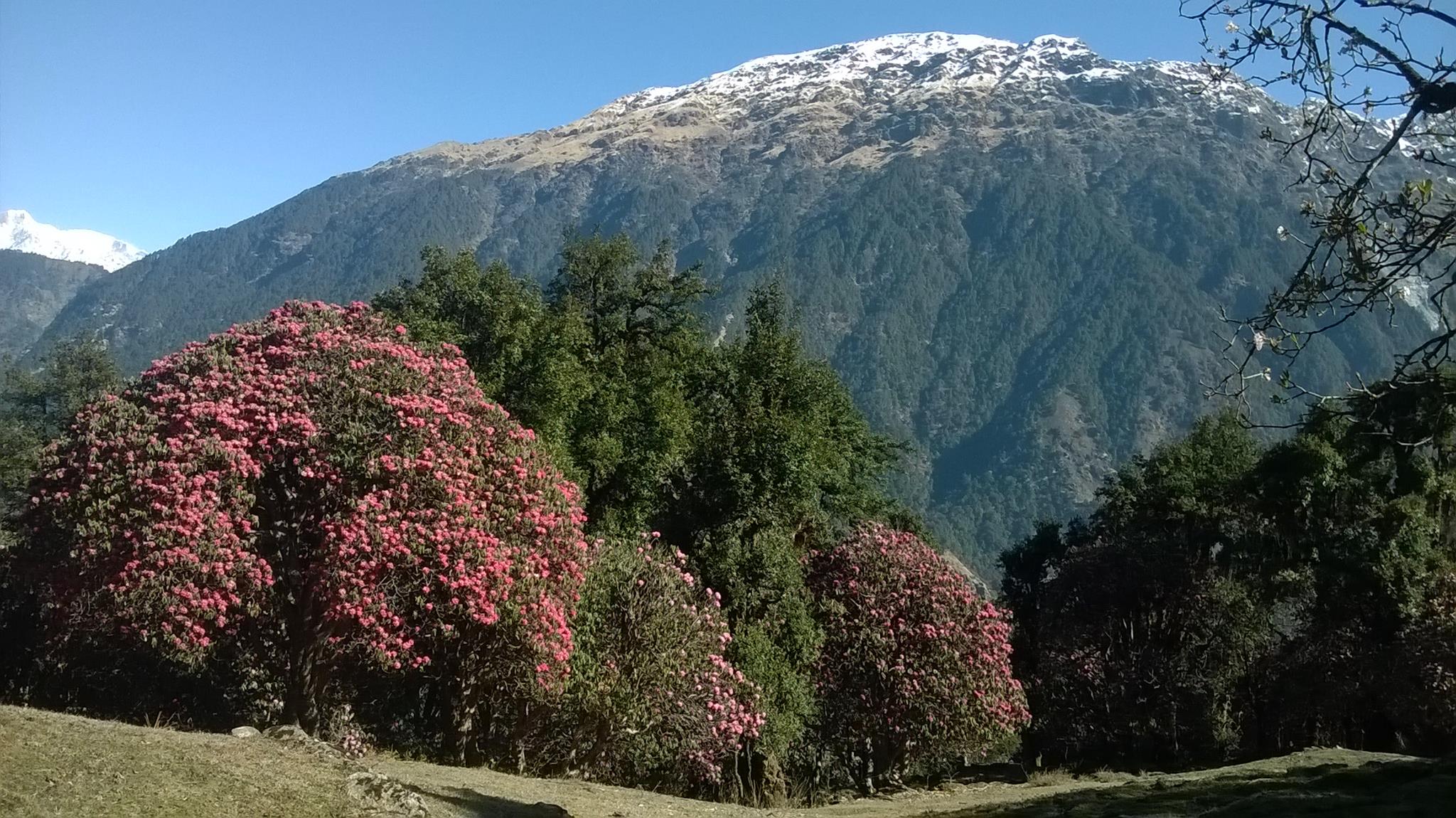
• The morning begins with mist swirling above the lake as you leave Deoriatal behind and head southeast toward Jhandi Top. The trail winds through a dreamy forest of rhododendron, oak, and maple trees — the kind that glows pink and red during spring. Every now and then, the mighty peaks of Chaukhambha and Kedar Dome peek through the branches to your left, reminding you that you’re walking deep inside the Kedarnath Wildlife Sanctuary.
After about an hour of gentle ascent, you reach the open ridge of **Jhandi Top**, a flag-posted viewpoint offering a 360° panorama — from the terraced fields of Sari far below to the snow towers of Kedarnath and Chaukhambha ahead. The descent from here is sharp but pleasant, winding back into thick forest where sunlight flickers through the leaves and birds fill the silence. You may spot Himalayan woodpeckers, verditer flycatchers, and even small forest shrines marked with yellow flags.
The trail then climbs gradually again towards **Rohini Bugyal**, passing through ancient oak and maple groves. Soon, the forest opens into a serene clearing with grand views of Kala Parvat and the distant Chandrashila peak. This small meadow, surrounded by glowing rhododendrons, is the perfect spot for lunch and photographs.
From Rohini Bugyal, a short forest ascent brings you to the day’s highest point. Afterward, the path drops steeply through dense forest to reach **Syalmi**, your campsite for the night — a quiet, hidden meadow alive with the sounds of nature. This area is known for its rich wildlife, so keep your eyes open for foxes, Himalayan griffons, or the occasional barking deer.
As dusk settles, the forest turns golden and silent. Sitting around the campsite, surrounded by thick oak woods and distant mountain silhouettes, you realize you’re deep in the heart of the Himalayas — far from roads, phones, and the rush of the world.
• Trek Distance: 6 km | Duration: 6 hrs.
• The day starts from the serene **Syalmi campsite** with a gentle southeast descent towards the **Akashkamini River**, a clear mountain stream originating from Chandrashila. Pause to refill your water bottles and enjoy the soothing sound of the gurgling water as you cross a small wooden bridge.
Past the rivulet the trail ascends gradually through dense mixed forest. Immerse yourself in the jungle symphony which is rarely experienced on any other Himalayan trek.
After a few gradual ascents and descents, passing a few rivulets, walk past a fenced government forest office land, reach Baniyakund. A few hotels and a lot of swiss tents mark your way towards your own accomodation. Tonight, you stay in comfortable **Swiss-style tents** at Baniya Kund, surrounded by towering pines and the crisp Himalayan air. As dusk falls, the surrounding mountains glow in soft golden hues, creating a perfect alpine evening under the stars.
• Trek Distance: 10 km | Duration: 5–6 hrs trek + 40 min drive.
• Begin your day early from **Baniya Kund campsite** and drive 5 km towards Chopta, the base for the sacred **Tungnath Temple**. From Chopta, follow the well-marked cemented pilgrim trail ascending sharply through scissor bends. After approximately 4 km of climb, you reach Tungnath temple, the highest Shiva temple in the world, located at 12,083 ft. Along the way, keep an eye out for Himalayan Monals and other mountain birds nesting among the Birch trees.
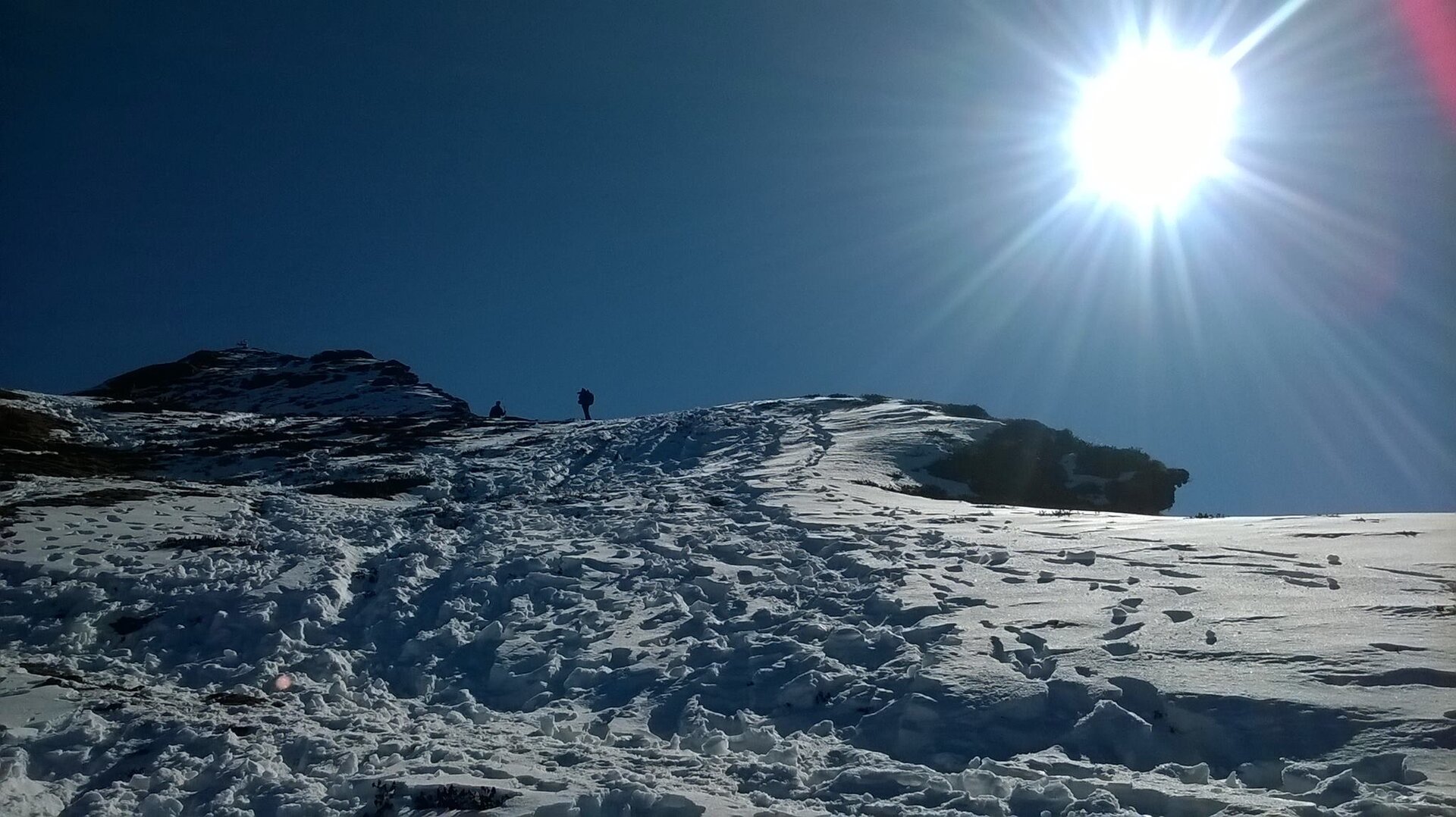
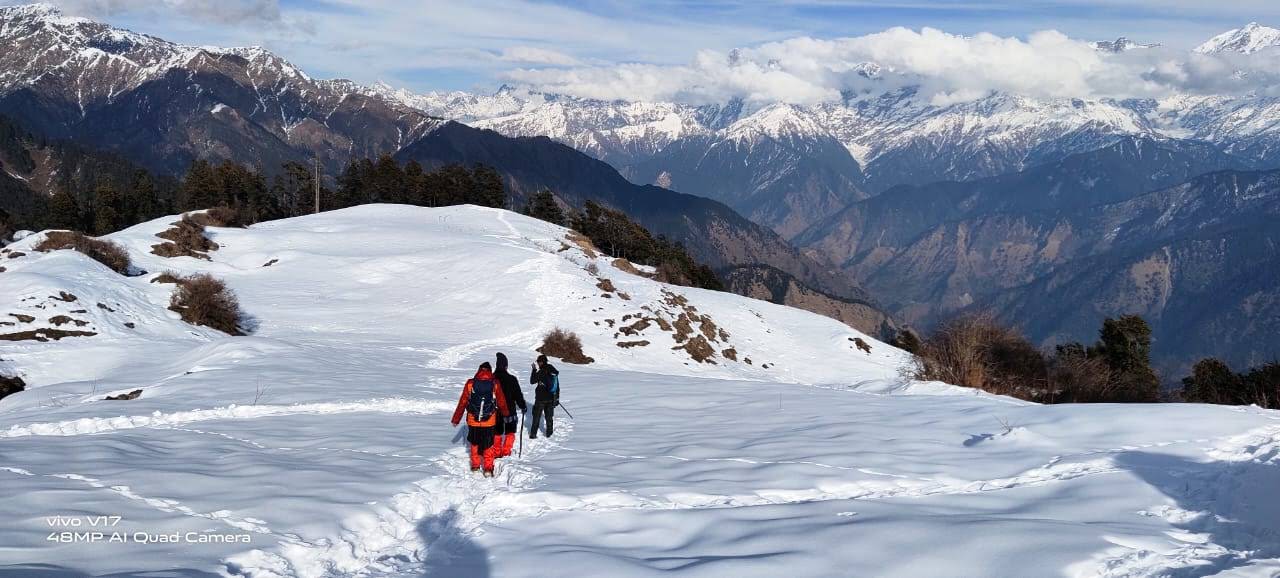
From Tungnath, the trail continues behind the temple complex towards **Chandrashila Peak**. The path winds steeply with several switchbacks, covering a 600 ft ascent over 1.5 km. During winter months, expect snow-covered trails and ensure proper gear such as crampons or microspikes.
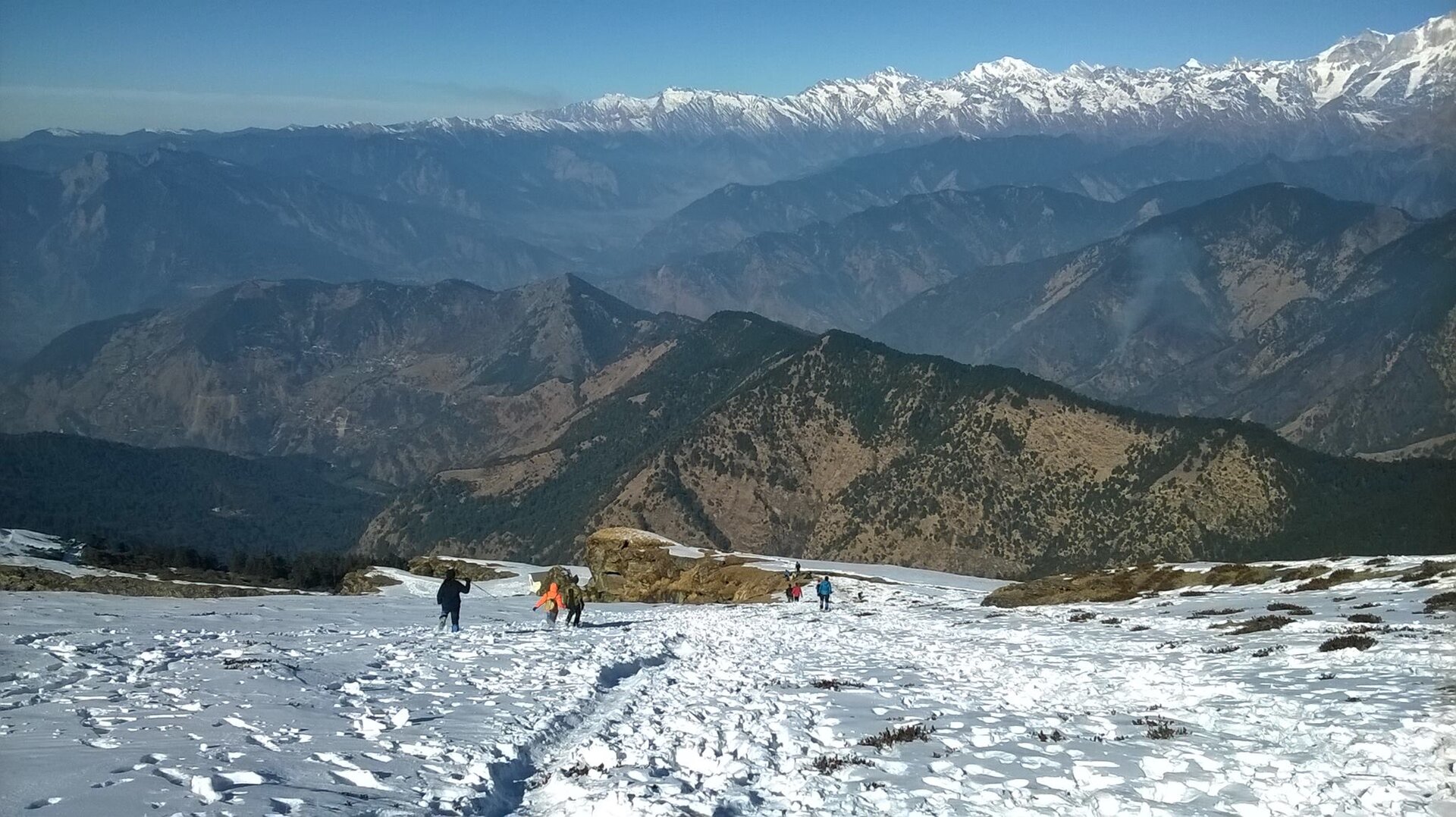
Reaching the summit, you are rewarded with a breathtaking **360° panoramic view** of the Garhwal and Kumaon ranges — Nanda Devi, Trishul, Chaukhamba, Kedar Dome, Kamet, Dunagiri, and Gangotri ranges unfold in every direction. The sunrise here is spectacular and considered one of the best in the Himalayas.
After soaking in the views, descend via the same route back to Tungnath and then drive back to Baniya Kund. From Baniya Kund, after lunch, a 40-minute drive brings you back to Sari, completing your trek. Today’s journey combines high-altitude pilgrimage, steep climbs, and some of the most iconic vistas of the Garhwal Himalayas, leaving you with memories that last a lifetime.
• Drive Distance: 195 km | Duration: 7–8 hrs.

Early morning, bid farewell to the peaceful village of Sari as you begin your return journey to Rishikesh. The drive winds through the beautiful Garhwal Himalayas, passing terraced farms, pine-covered hillsides, and charming mountain villages before descending into the river valleys below.

Along the way, you'll once again follow the Mandakini and Alaknanda rivers, with opportunities to pause at scenic viewpoints and the sacred confluence of Devprayag, where the Alaknanda and Bhagirathi unite to form the holy Ganga. As the mountains gradually give way to the foothills, the memories of Deoriatal's emerald waters, the forests of Kedarnath Wildlife Sanctuary, Tungnath Temple, and the breathtaking summit of Chandrashila remain etched in your mind.

By afternoon or early evening, you arrive in Rishikesh, marking the end of an unforgettable Himalayan adventure filled with pristine lakes, ancient forests, alpine meadows, and magnificent mountain panoramas.

Packing list

For a comprehensive packing list, download the PDF below: Download Packing List

Did you know?

Deoriatal is steeped in Mahabharata lore!
This mystical lake is believed to be the site where the Pandavas encountered Yaksha, who tested their wisdom with riddles before granting them life.
Chandrashila means ‘Moon Rock’.
Legend says Lord Rama meditated here after slaying Ravana, while another tale claims it’s where the Moon God performed penance. Mythology breathes life into its rocky summit.
Five towering Himalayan peaks in one frame!
From Chandrashila you can see Nanda Devi, Trishul, Chaukhamba, Kedarnath Dome, and Bandarpunch — a rare 270° panorama that few treks in India can match.
Tungnath is the world’s highest Shiva temple.
At 3,680 m, Tungnath is part of the Panch Kedar shrines, older than Kedarnath itself, and is believed to have been built by the Pandavas.
A haven for birdwatchers.
The trek lies inside the Kedarnath Wildlife Sanctuary. Expect sightings of the Himalayan Monal (Uttarakhand’s state bird), crimson sunbirds, Himalayan barbets, and lammergeiers.
A rare 4-season trek.
While most Himalayan trails shut in winter, this trek remains open year-round — rhododendron blooms in spring, lush greenery in monsoon, crisp skies in autumn, and snow-draped magic in winter.

Route Map

How to reach

✈️ Air: Nearest airport: Jolly Grant airport, Dehradun

🚆 Train: Nearest railway station: Haridwar/Rishikesh

🛣️ Road:
        📍 Distance from Haridwar/Rishikesh: ~210 km
        🕒 Travel Time: 7–8 hours
        🌍 Route: Haridwar/Dehradun → Rishikesh → Devprayg → Srinagar → Rudraprayag → Agastyamuni → Ukhimath → Sari Village

🗺️ Travel Tip: Transport Options:
        1. Private Cab / Taxi (Recommended for Groups)
                Duration: 7–8 hours
                Cost: ₹5,000–₹7,000 (for a one-way cab for 4–6 people)
                Where to book: Local taxi stands in Haridwar or Rishikesh
        2. Public Transport
                Reach Ukhimath: Bus/shared jeep from Haridwar to Ukhimath (6–7 hrs)
                OR
                Bus/shared jeep to Rudraprayag (5-6hrs) and then a shared jeep from Rudraprayag to Ukhimath (1-2hrs)
                Reach Sari: Shared jeep or taxi from Ukhimath to Sari (~30 mins)

TrekFAQs

  • The Deoriatal-Chandrashilla trek is meant for everyone — whether you're stepping into the Himalayas for the first time or are a seasoned trekker seeking a refreshing experience. With moderate slopes, easy accessibility, and a comfortable altitude profile, it’s ideal for first-timers while remaining equally rewarding for experienced trekkers who enjoy panoramic trails and classic Himalayan landscapes.
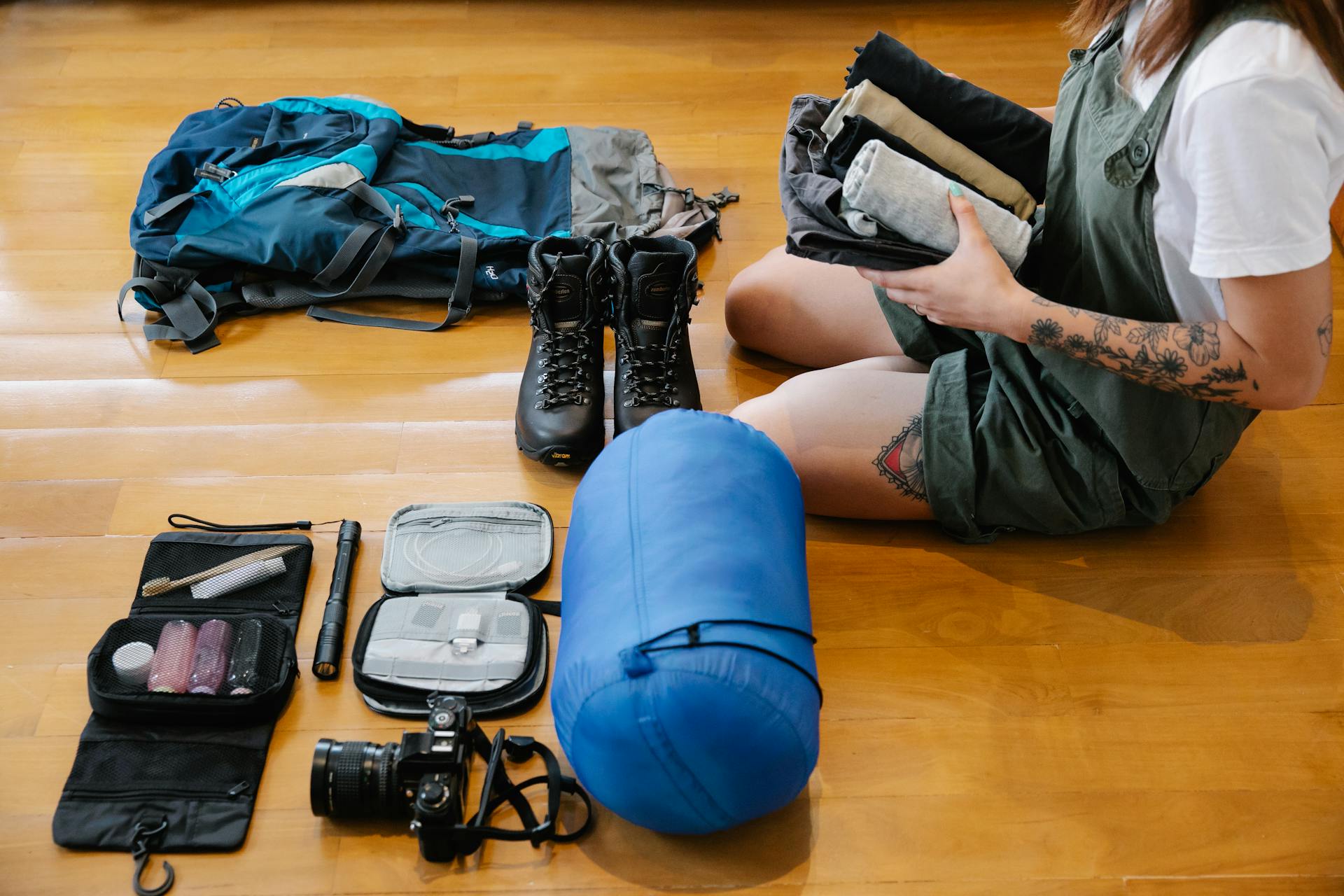
  • Essential items include sturdy trekking shoes, layered clothing, a 40–50L rucksack with rain cover, thermal wear, a water bottle, trekking poles, and a headlamp. For a detailed packing list, refer to the downloadable PDF above.
  • In spring (April–June), daytime temperatures range between 10°C to 18°C, with chilly nights dropping to around 0°C. During autumn (September–November), expect pleasant days between 8°C to 15°C and cold nights around -2°C to 3°C. Winter (December–March) brings snow and sub-zero conditions — daytime temperatures hover around 0°C to 5°C, while nights can fall as low as -8°C to -10°C, offering a true Himalayan winter experience.
  • Yes, offloading services are available at an additional cost. Please check with the trek organizer for current rates and availability.
  • Mobile network coverage of Airtel and JIo is available throughout the trek. You may get intermittent signals while inside the forest, still overall connectivity is unreliable. It's recommended to inform friends and family beforehand.
  • The trek requires forest permits for the entry of Deoriatal region and also for the entry of Tungnath trail from Chopta when temple is closed. These are typically arranged by the trek organizer and included in the trek package.
  • The trek is best undertaken from February to June (spring–early summer) when rhododendrons bloom in abundance throughout the forest turning it red and trails a carpet of flowers. Also wildflowers blanket the upper meadows. Next best season is from September to November (autumn) when the skies are crystal clear and the landscape glows golden. Winter (December to February) is equally rewarding for those seeking solitude and snow — the meadows and forests turn pristine white, offering a completely different, magical experience. Monsoon (July–August) is less recommended due to slippery trails and heavy cloud cover.
  • This trek combines serene Deoriatal Lake with a thrilling ascent to Chandrashila Peak, offering 360° panoramic views of peaks like Chaukhamba, Trishul, and Nanda Ghunti. It's a short yet highly rewarding trek that showcases the best of Garhwal Himalayas in a single adventure.

Helpful Resources

Explore our collection of trek-specific guides and practical articles covering preparation, mountain safety, gear, weather, permits, logistics, and more—designed to help you make informed decisions before every Himalayan adventure.

Trekking in the Himalayas: The Real Picture You Need to Know (2025)
Flagship Guides

Trekking in the Himalayas: The Real Picture You Need to Know (2025)

Discover how trekking has changed in 2025 — from a raw, humbling adventure to a crowded social media trend — and why responsible trekking with Planethimalayas is the key to preserving the true spirit of the Himalayas.

Best Spring Treks in the Himalayas (2026 Guide): Region-Wise Trails, Snow Views & Blooming Landscapes
Trek Guides

Best Spring Treks in the Himalayas (2026 Guide): Region-Wise Trails, Snow Views & Blooming Landscapes

Discover the best spring treks in the Himalayas with this complete 2026 guide. Explore region-wise treks across Himachal, Uttarakhand (Garhwal & Kumaon), and Sikkim with detailed insights on difficulty, altitude, best time, and what makes each trek unforgettable.

Best Summer Treks in the Himalayas (May–June): Snow, High Passes & Endless Days
Trek Guides

Best Summer Treks in the Himalayas (May–June): Snow, High Passes & Endless Days

Discover the best summer treks in the Himalayas (May–June), from snow-covered trails to lush alpine meadows. Explore beginner-friendly treks with detailed insights and prepare for the ultimate trekking season.

Best Post Monsoon Treks in India (September–December): The Complete Autumn Himalayan Trekking Guide
Trek Guides

Best Post Monsoon Treks in India (September–December): The Complete Autumn Himalayan Trekking Guide

Discover the best post monsoon and autumn treks in India from September to December. Explore Himalayan high passes, alpine valleys, glacier trails, autumn forests, alpine meadows and crystal-clear mountain views across Himachal Pradesh, Uttarakhand, Kashmir, Ladakh and Sikkim.

Getting Prepared for a Trek in the Himalayas
Preparation Tips

Getting Prepared for a Trek in the Himalayas

Trekking in the Himalayas is a dream adventure — but it demands smart preparation. Whether you're planning a snowy winter trek like Kedarkantha, a scenic route like HarKiDun, or a thrilling climb like Rupin Pass, here’s everything you need to know to get prepared and trek safely and confidently.

Mountain Manners - Responsible Trekking (LNT Principles & Best Practices)
Preparation Tips

Mountain Manners - Responsible Trekking (LNT Principles & Best Practices)

Learn the essential Leave No Trace (LNT) principles for responsible trekking in the Himalayas. Discover how to respect nature, minimize impact, and preserve mountain beauty for future generations.

Complete Himalayan Trek Packing List | Essential Trekking Gear & Tips
Preparation Tips

Complete Himalayan Trek Packing List | Essential Trekking Gear & Tips

Packing smart is the key to a safe and comfortable trek. Here’s a complete checklist of everything you’ll need for a week-long Himalayan adventure. Download the full PDF packing list inside.

Choosing the Right Himalayan Trek: A Strategic Guide for Safety, Experience & Growth
Preparation Tips

Choosing the Right Himalayan Trek: A Strategic Guide for Safety, Experience & Growth

Choosing the right Himalayan trek is not just about destination—it’s about safety, experience, and preparedness. Learn how fitness, season, terrain, and group type influence trek selection and avoid mistakes that can impact your entire journey.

The Ultimate Winter Trek Preparation Guide for the Himalayas
Preparation Tips

The Ultimate Winter Trek Preparation Guide for the Himalayas

A complete, deeply detailed Himalayan winter trek preparation guide covering layering, gear breakdowns, snow survival, hypothermia treatment, cold-injury prevention, hydration strategy, fitness prep, night routines, weather behaviour, packing lists, myths, FAQs, and expert safety insights based on real Himalayan scenarios — written for both beginners and experienced trekkers.

AMS - Acute Mountain Sickness
Health & Wellness

AMS - Acute Mountain Sickness

If you’re planning a high-altitude trek in the Himalayas, it’s important to understand one of the most common health risks in the mountains: Mountain Sickness, also known as Acute Mountain Sickness (AMS).

Preventing AMS-Mountain Sickness
Health & Wellness

Preventing AMS-Mountain Sickness

Trekking in the Himalayas is an unforgettable experience—but it comes with a silent danger: Mountain Sickness, also known as Acute Mountain Sickness (AMS). The good news? With the right precautions, mountain sickness is completely preventable.

Staying Fit & Healthy on a Himalayan Trek (Complete Guide)
Health & Wellness

Staying Fit & Healthy on a Himalayan Trek (Complete Guide)

A complete, practical guide to staying fit and healthy on a Himalayan trek. Covers training, nutrition, hydration, altitude sickness (AMS), sleep, hygiene, and real on-trail survival tips for beginners and experienced trekkers.

Advanced Health & Survival Guide for Himalayan Treks (Real Problems Trekkers Face)
Health & Wellness

Advanced Health & Survival Guide for Himalayan Treks (Real Problems Trekkers Face)

A deep dive into real health challenges faced on Himalayan treks — from gut issues and menstrual health to sleep deprivation, infections, and mental health. Practical solutions based on real trekking scenarios.

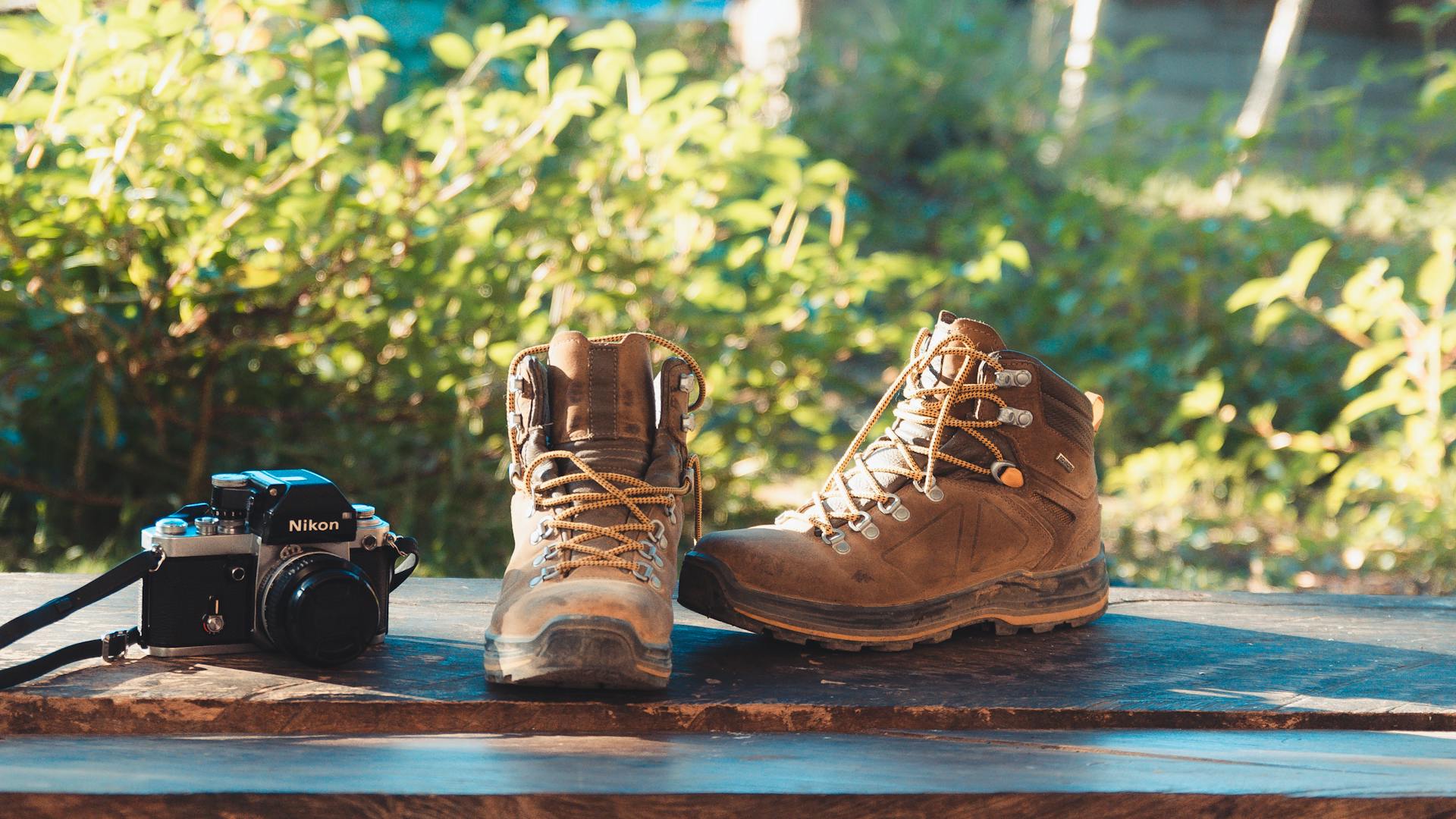
Ideal Trekking Shoes for Himalayan Treks | Buying Guide, Features & Top Brands
Gear & Logistics

Ideal Trekking Shoes for Himalayan Treks | Buying Guide, Features & Top Brands

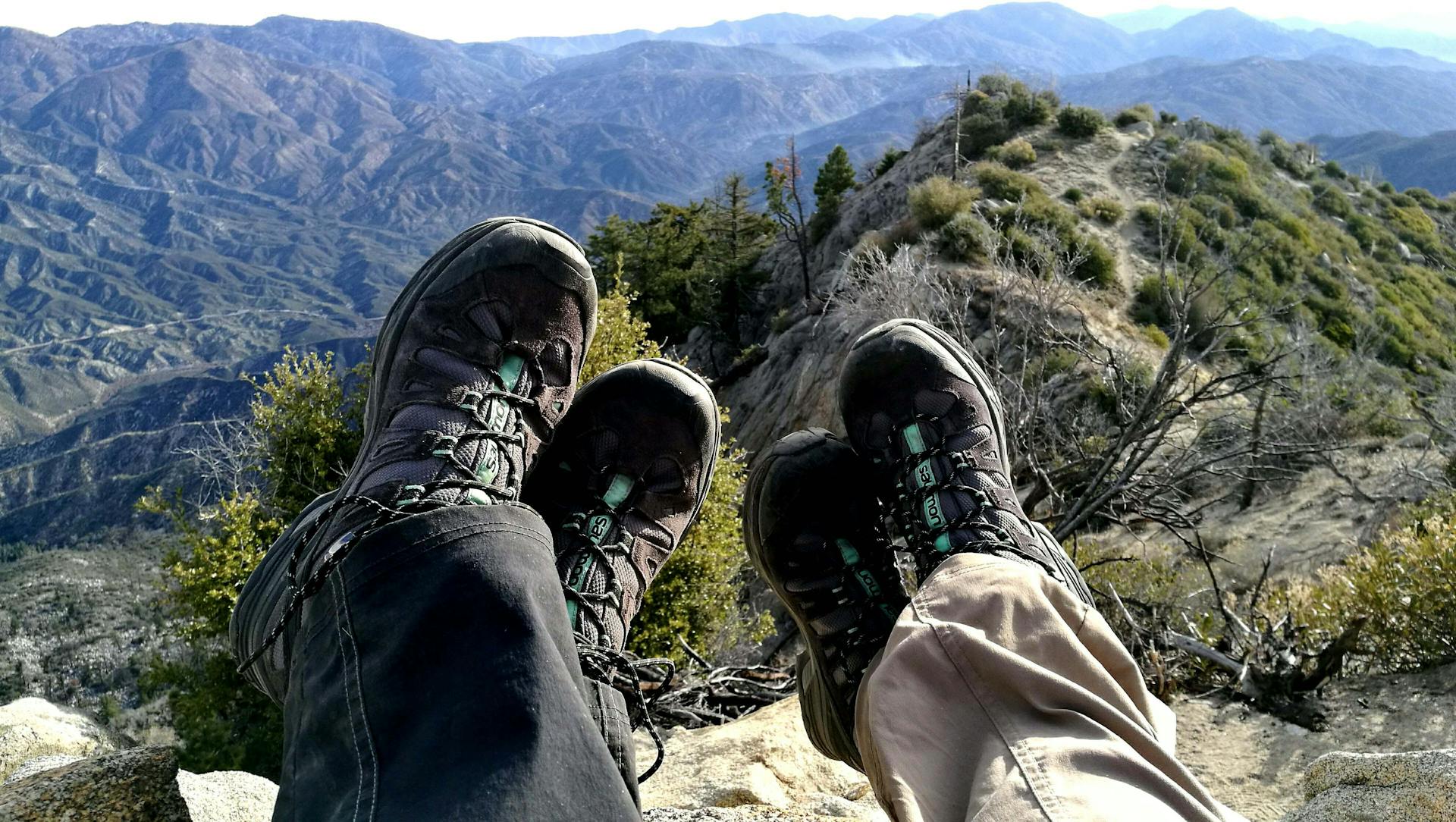
Your footwear can make — or break — your trekking experience. Trekking in the Himalayas means walking through snow, mud, rocks, rivers, and forest trails. Your regular sneakers or running shoes won’t cut it here. Investing in a reliable pair of trekking shoes is one of the smartest decisions you'll make before stepping onto the trail.

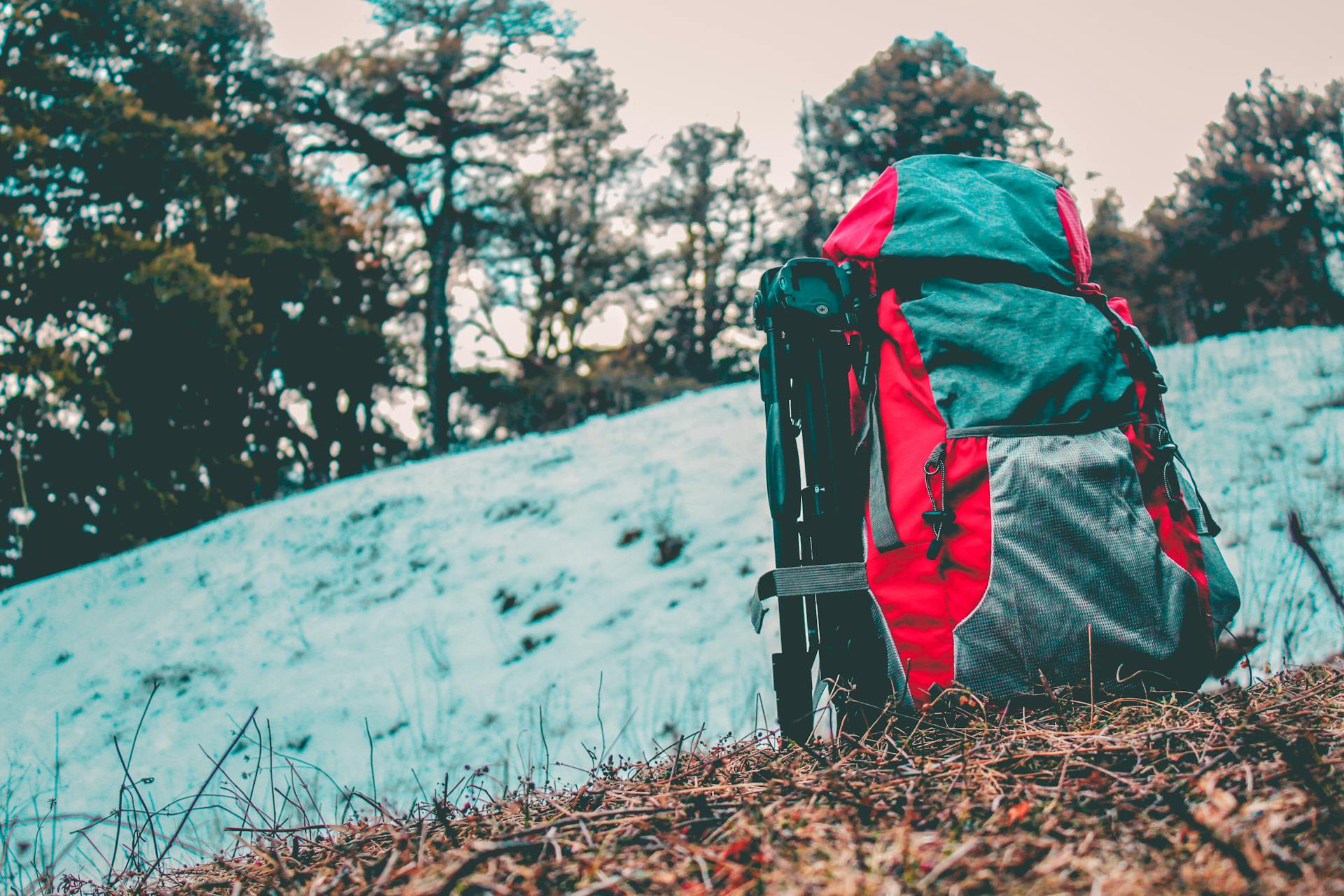
Ideal Trekking Backpack for Himalayan Treks | Capacity, Fit & Top Brands Guide
Gear & Logistics

Ideal Trekking Backpack for Himalayan Treks | Capacity, Fit & Top Brands Guide

Your backpack is your lifeline on the trail — it carries your essentials, supports your back, and travels with you every step of the way. Choosing the right backpack for a Himalayan trek is all about fit, comfort, size, and smart features — not just brand or looks. Confused about which backpack to buy for your Himalayan trek? Learn how to choose the right capacity, fit, features & top brands like Forclaz, Osprey & Deuter.

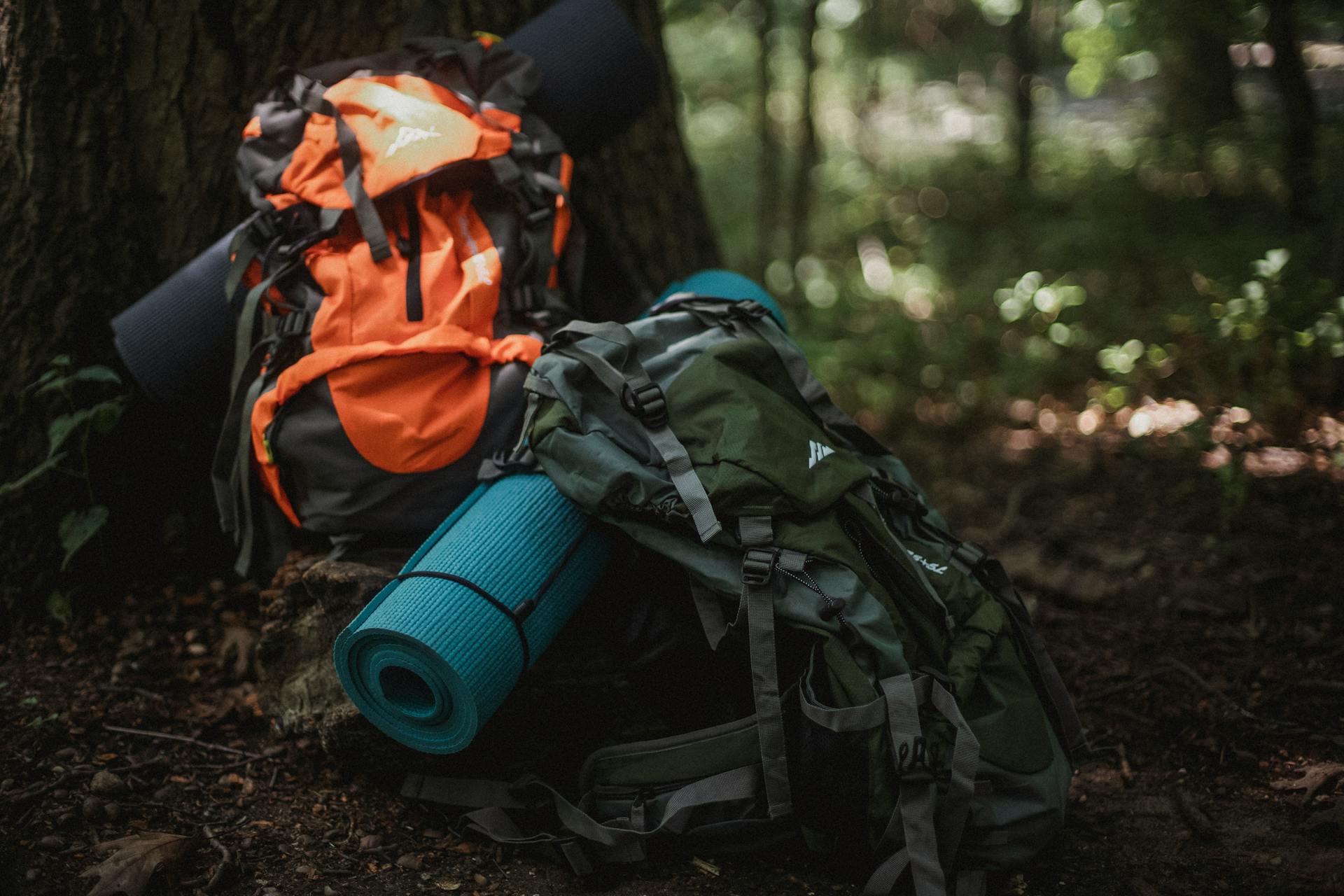
How to Pack Your Backpack for a Himalayan Trek | Smart Packing Guide
Gear & Logistics

How to Pack Your Backpack for a Himalayan Trek | Smart Packing Guide

Packing your backpack correctly can make a huge difference on a Himalayan trek — from comfort and balance to quick access and weather protection. A poorly packed bag leads to back pain, frustration, and unnecessary energy drain. Learn how to pack your trekking backpack the smart way. Discover backpack zones, weight distribution, waterproofing & common mistakes to avoid on Himalayan treks.

How to Take Care of Your Trekking Shoes for Durability | Pre-Trek Checklist
Gear & Logistics

How to Take Care of Your Trekking Shoes for Durability | Pre-Trek Checklist

Your trekking shoes are your most trusted companion on the trail. They protect your feet, provide grip, and carry you across snow, rocks, mud, and rivers. Properly maintaining your trekking shoes ensures comfort, durability, and safety on the trail. Learn cleaning, drying, storage, and a pre-trek checklist before reusing them.

Complete Guide to Trekking Jackets | Types, Layering & Care for Himalayan Treks
Gear & Logistics

Complete Guide to Trekking Jackets | Types, Layering & Care for Himalayan Treks

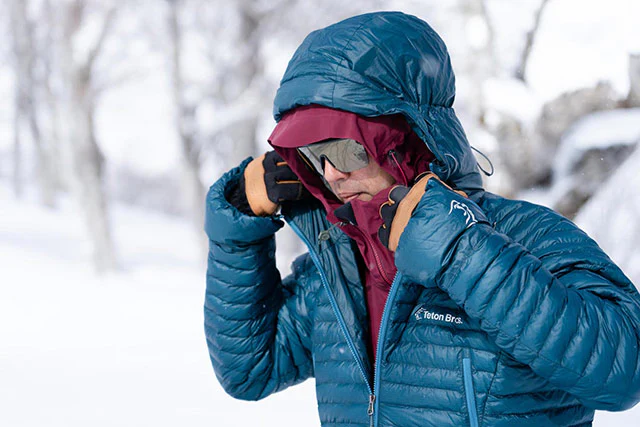
When you step into the Himalayas, your jacket is your shield against cold winds, snowfall, and unpredictable mountain weather. The right trekking jacket keeps you warm, dry, and comfortable — but with so many options (down, synthetic, fleece, waterproof shells), choosing can be confusing. Here's all that you need to know about trekking jackets — from waterproof vs synthetic vs down jackets, to proper layering, care, washing, drying, and storage. Learn how to choose the right jacket for your Himalayan adventure.

Layering Clothing for Extreme Himalayan Microclimates
Health & Wellness

Layering Clothing for Extreme Himalayan Microclimates

Layering clothing is the most critical skill for trekking in the Himalayas, where temperatures can swing from hot sun to freezing winds within hours. Learn how to layer effectively across seasons, manage microclimates, and stay safe, comfortable, and efficient on your trek.
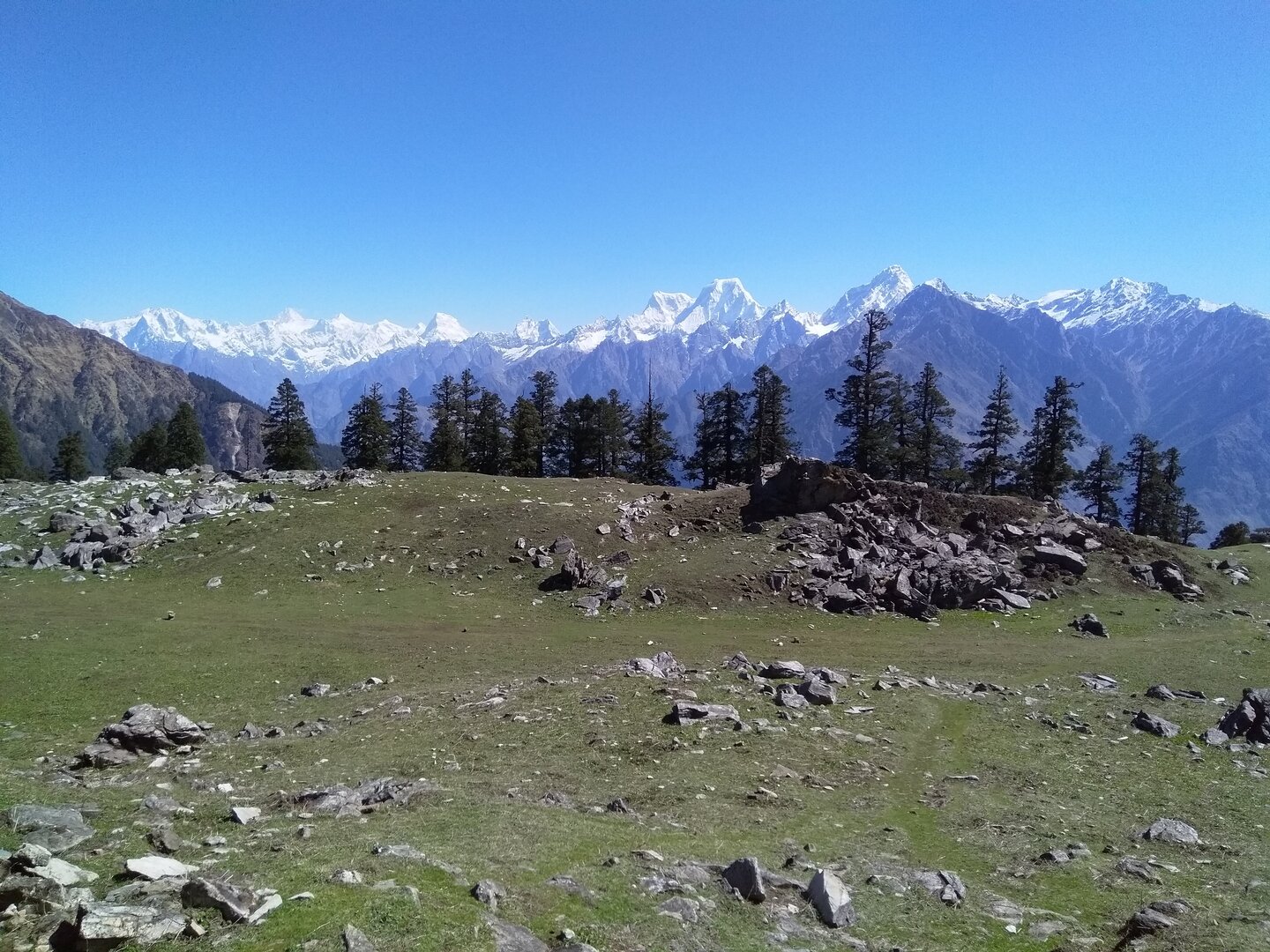
Trekking Poles: Do You Really Need Them in the Himalayas?
Gear & Logistics

Trekking Poles: Do You Really Need Them in the Himalayas?

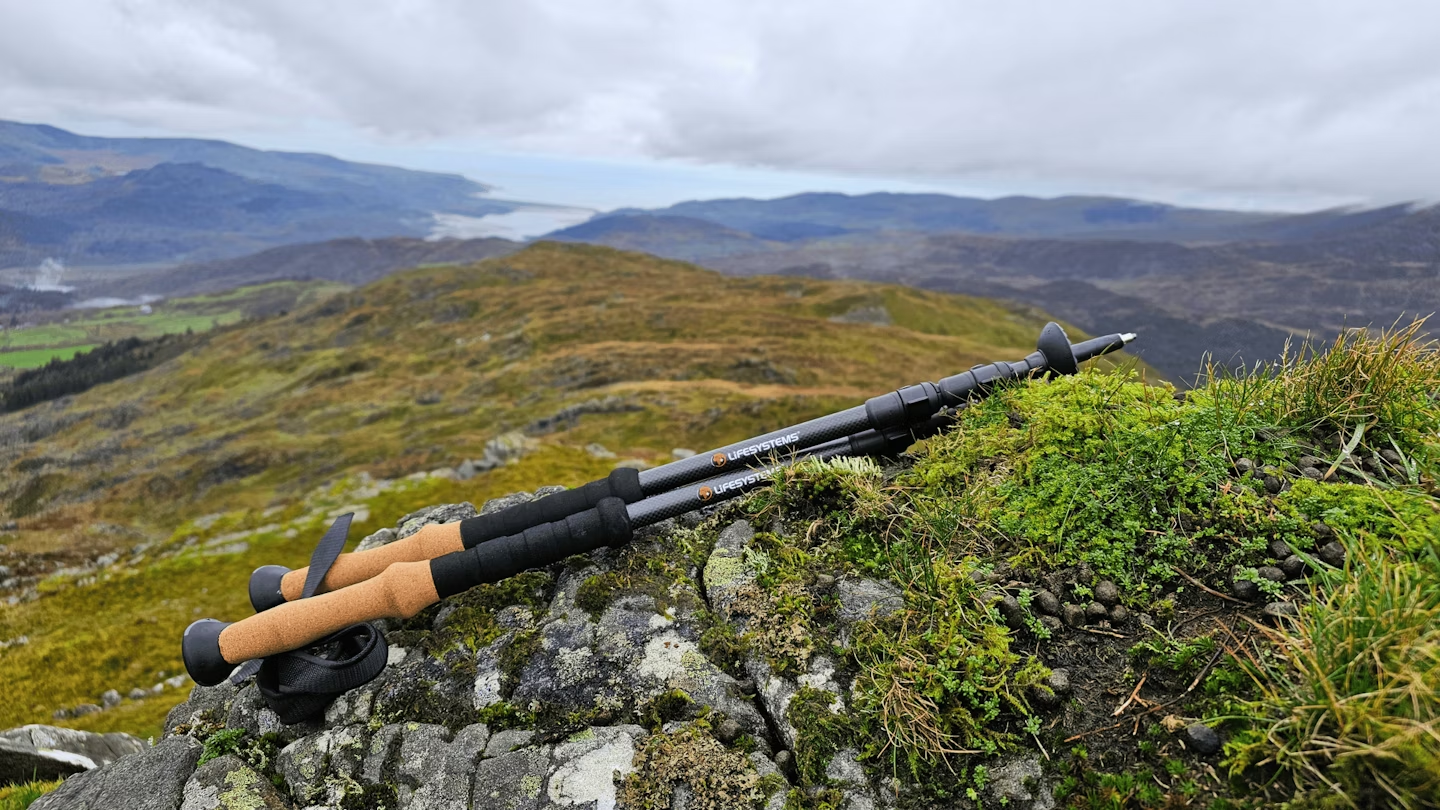
Trekking poles are often underestimated, but they play a crucial role in reducing fatigue, protecting your knees, and improving stability in the Himalayas. Learn how and when to use trekking poles for maximum safety and performance.
Similar Treks

View of Ali Bedni Bugyal Trek trek easy

Ali Bedni Bugyal Trek

4 Nights / 5 Days
uttarakhand-garhwal
View of Kuari Pass Trek trek easy

Kuari Pass Trek

5 Nights / 6 Days
uttarakhand-garhwal
View of Dayara Bugyal Trek trek easy

Dayara Bugyal Trek

4 Nights / 5 Days
uttarakhand-garhwal
View of Rani Sui Lake Trek trek easy

Rani Sui Lake Trek

3 Nights / 4 Days
himachal pradesh
View of Harkidun Trek trek easy

Harkidun Trek

6 Nights / 7 Days
uttarakhand-garhwal
View of Gulabi Kantha Trek trek easy

Gulabi Kantha Trek

4 Nights / 5 Days
uttarakhand-garhwal
View of Kedarkantha Trek trek easy

Kedarkantha Trek

4 Nights / 5 Days
uttarakhand-garhwal
View of Dodital - Darwa Pass Trek trek easy, moderate

Dodital - Darwa Pass Trek

4 Nights / 5 Days
uttarakhand-garhwal

What our trekkers say

Abhay Poddar

Abhay Poddar

Pune

★★★★★

The experience with Planethimalays on the Beas Kund Trek was really Great. I took a group of College students on a Himalayan Trek for the 1st Time. Everything was planned very well. The 2 female guides Raksha and Deepika ensured the group especially the girls were made comfortable. The safety of the group, food and tents were all araangd very well. Looking forward to trekking with them next year too.

Yashesh Vora

Yashesh Vora

Pune

★★★★★

We had an amazing experience with Planethimalayas organized by Kamal sir. Everything from stay and food to overall arrangements was perfectly managed. Manish, Satish and Ashish were extremely supportive throughout the trip. We completed Tungnath and Deoriatal treks, and the food was simple, local, and delicious. The beautiful Sari village visit was truly beautiful my parents even walked 5 km, which was a big surprise for us!
The itinerary was very thoughtfully planned and suitable for my parents as well as my little one. Highly recommended for all kind of treks in the Himalayan ranges!

Ananya Mitra

Ananya Mitra

Kolkata

★★★★★

Kamal Das the leader and founder is a great person and had good knowledge about the route. The food was great and the stays were comfortable which was above the expectation in that altitude.
Thanks to Planethimalayas.

Jytte Scheepens

Jytte Scheepens

Freelancer | Breda, Netherlands

★★★★★

I did the Kashmir Great Lakes trek with Kamal. This was such an unforgettable experience. Kamal is such an amazing guide. He told us so many interesting facts, I had beautiful deep talks with him about the mountains and listened to many of his stories about the experiences he's had while trekking. He's such a genuine and pure soul. I was the only female in the team, but not once I felt uncomfortable or left out. Everyone was incredibly respectful and nice. We were allowed to walk on our own pace and didn't feel rushed or pushed. Everyone can do the trek as they want, in the way they want. He respects you and really goes out of his way to make you enjoy the most. Till this day he's still a dear friend of mine and I hope to have the privilege to go to the mountains again, together with him. If you're planning to do a trek, definitely do it with Kamal — he will 100% make sure this trip is something you'll never forget.

Clare Fisher

Clare Fisher

Marketing | Canada

★★★★★

I had some nerves about going on a trek solo but Kamal took excellent care of me and made sure I felt safe and looked after. He was able to customize the trek to my needs and we went on lots of side quests to explore the area. Kamal is very knowledgeable and has some fantastic stories to tell, so was the best company the entire time — it felt like I had friends adventuring with me! Thanks again :)

Suramita Chakrabarty

Suramita Chakrabarty

Kolkata

★★★★★

Amazing staff with good and decent behaviour. Food quality was also very good. Throughout the trek they had taken utmost care of everything.
Will definitely plan again with Mr. Kamal Das.

Samar

Samar

Automotive UX Designer | Pune

★★★★★

I made friendship with the mountains through Kamal sir’s experience. The moment I met him at my last trek at Kedarkantha, I was impressed by his mountaineering knowledge and friendly nature that this year too (to Tungnath) and every year hereafter I am going to partner him to a new peak and new experiences in those journeys. Kudos to Planethimalayas for the exceptional work in making the love of mountains more accessible and enjoyable.

Akshata Poojari

Akshata Poojari

Bangalore

★★★★★

The trekking experience was absolutely unforgettable. Our guide was friendly and knowledgeable, making the whole journey fun and safe.

How Our Treks Are More Than Just a Trek

Every journey with us is carefully crafted for a deeply personal mountain experience.

Not Just a Trek — A Journey That Stays With You

Every trail we walk is a carefully chosen path into the heart of the Himalayas — not just to witness their grandeur, but to feel them under your skin and soul. Our treks are designed not as bucket list checkmarks, but as life-affirming journeys. At Planethimalayas, we believe a mountain journey is deeply personal — and that belief runs through everything we do.

Individual Care, Every Step of the Way

We keep our groups small and intimate so we can focus on you — your pace, your concerns, your joy. From pre-trek guidance to trail-side support, our leaders walk with intention, offering safety and attention without intrusion. It’s this deep care that turns strangers into friends and walks into memories.

Built on Genuine Love for the Himalayas

We don’t just operate in the Himalayas — we live and breathe them. From respecting mountain communities to following Leave No Trace ethics, our treks are shaped by humility and care. With Planethimalayas, your trek becomes a way of giving back to the mountains that give us so much.

Why Choose Us

Experience the difference of trekking with genuine mountain experts who truly care.

Trek Leader & Guide

Led by certified mountaineers with wilderness first aid training, ensuring your safety and confidence at every step.

Cook & Support Staff

Our mountain crew comprises local experts who bring unmatched experience, warmth, and deep knowledge of the region.

Small Group Size

We cap our group departures at just 8 trekkers — ensuring individual attention, deeper connections, and better trail discipline.

Safety Standards

From personal well-being to technical preparedness, we maintain the highest safety standards — using certified high-altitude gear and comprehensive safety protocols to ensure a secure and reliable Himalayan experience.

24×7 Online Support

We're always available — before, during, or after your trek. Reach out anytime, and you'll always hear back from a real human.

We Care for the Mountains

We strictly follow Leave No Trace ethics. Limited group sizes and mindful practices help protect the fragile Himalayan ecosystem.