
There is a brief period every year when the Himalayas seem to reveal their truest character.
The relentless monsoon clouds begin retreating toward the plains. Rivers gradually calm after months of carrying glacial melt and rainwater. Alpine flowers complete their blooming cycle, mountain grasses turn shades of gold, and the atmosphere becomes astonishingly clear.
For a few weeks, the entire mountain range appears sharper, quieter, and more vibrant than at any other time of the year.
This is the post-monsoon season.
Stretching broadly from early September until late November, it is regarded by experienced trekkers, photographers, and mountain professionals as one of the finest trekking seasons in the Indian Himalayas.
Unlike spring, when many high passes remain buried beneath lingering snow, or the monsoon months when rainfall dictates route selection, post monsoon offers something remarkably balanced.
Stable weather.
Long-distance visibility.
Comfortable daytime temperatures.
Safer mountain trails.
And perhaps the most dramatic Himalayan landscapes of the entire year.
It is also the only season where completely different mountain experiences coexist within a span of just a few weeks.
In early September, valleys remain lush from the rains, wildflowers still blanket alpine meadows, and glaciers continue feeding vibrant mountain streams.
By October, forests slowly begin changing colour, nights become colder, skies deepen into an intense shade of blue, and snow-covered summits dominate nearly every horizon.
Come November, the Himalayas prepare for winter. The air becomes crisp, deciduous forests glow in shades of yellow and orange, and the first significant snowfall starts returning to higher elevations.
Rather than being a single season, post monsoon is a gradual transformation of the mountains.
Every month offers a distinctly different experience.
Understanding these subtle changes is the key to choosing the right trek.
💡 The best post monsoon trek isn't simply the most famous one. It is the trek whose terrain, altitude, region, and landscape align perfectly with the stage of the season you plan to visit.
In this guide, we'll explore the finest Himalayan treks between September and November, explain why each trek shines during a particular period, and help you decide which adventure matches your experience, fitness, and expectations.
Whether you're looking for challenging high-altitude passes, colourful alpine valleys, crystal-clear mountain panoramas, or peaceful autumn forests, this guide covers the very best of the Indian Himalayas.
Why Do Himalayan Skies Become So Clear After the Monsoon?
One of the defining features of post monsoon trekking is the remarkable clarity of the mountain atmosphere.
Throughout the summer monsoon, continuous rainfall washes dust, pollen, smoke particles and pollutants from the air. Meteorologists refer to this as atmospheric cleansing.
Once the monsoon begins retreating in September, humidity decreases while visibility increases dramatically.
For trekkers, this means snow peaks appear brighter, distant mountain ranges become clearly visible, and sunrise as well as sunset produce exceptionally vibrant colours.
It is one of the reasons photographers often consider October the finest month to explore the Himalayas.
Why Post Monsoon is Considered the Best Himalayan Trekking Season
Ask ten experienced Himalayan trekkers about their favourite season, and a surprising number will choose post monsoon over spring or winter.
The reason isn't just the weather.
It's the remarkable combination of atmospheric clarity, landscape diversity, and trail stability that develops after months of rainfall.
Throughout the monsoon, continuous rain washes dust, pollutants, and suspended particles from the atmosphere. By September, visibility often extends for well over a hundred kilometres on clear mornings.
Mountain ranges that remained hidden behind haze during summer suddenly appear extraordinarily close.
Snow peaks seem brighter.
Glaciers reflect stronger light.
Sunrise and sunset become dramatically more colourful as clean air allows sunlight to scatter naturally across the horizon.
For landscape photographers, this period is often considered the finest time of the year.
The mountains themselves also begin changing.
The meadows that flourished under the monsoon slowly mature into golden grasslands. Alpine flowers gradually give way to seed-bearing plants. Forests transition from lush green to shades of yellow, amber, and copper.
Meanwhile, high-altitude passes that remained inaccessible during early summer become fully established trekking routes.
Glacier crossings stabilize.
Snow bridges disappear.
River crossings become considerably more predictable than during peak monsoon.
This allows several of India's most spectacular crossover treks to operate at their absolute best.
Routes like Buran Ghati Trek, Rupin Pass Trek, Miyar Valley Trek, Gaumukh Tapovan Trek, Nanda Devi East Base Camp Trek, Bali Pass Trek, and Goechala Trek all reach their peak during this period.
Equally important, trekking conditions become more comfortable.
Days remain pleasantly cool without the intense summer heat.
Humidity drops significantly.
Mosquitoes almost disappear at higher elevations.
The probability of prolonged rainfall decreases every week through October.
The result is a trekking season where almost every day begins with optimism.
📅 September-October vs November-December
| Month | Highlights | Best For |
|---|---|---|
| Sept- Oct | Green meadows, flowers, glacier streams, crystal-clear skies, high passes | Miyar Valley Trek, Rupin Pass Trek, Buran Ghati Pass Trek, Pin Bhaba Pass Trek, Goechala Trek, Nanda Devi East Base Camp Trek, Bali Pass Trek, Gaumukh Tapovan Trek |
| Nov-Dec | Autumn forests, golden meadows | Kuari Pass Trek, Ali Bedni Bugyal Trek, Ranthan Kharak Trek, Deoriatal Chandrashila Trek, Goechala Trek, Dodital Darwa Pass Trek, Phulara Ridge Trek, Har Ki Dun Trek, Gulabi Kantha Trek |
Understanding the Phases of Post Monsoon
Many trekkers think of post monsoon as one continuous season.
In reality, the Himalayas undergo noticeable changes almost every two to three weeks.
Choosing the right trek therefore depends not only on the destination but also on when you plan to visit.
🌿 Early Post Monsoon (Early September)
As the southwest monsoon begins withdrawing from northern India, the mountains retain much of their lush appearance.
Alpine meadows remain intensely green, wildflowers continue blooming across higher grasslands, and streams still carry abundant glacial water.
The atmosphere clears rapidly after every passing weather system, creating spectacular cloud formations and fresh mountain landscapes.
This period is ideal for trekkers who enjoy vibrant valleys, glacier-fed rivers, and dramatic contrasts between greenery and snow-covered peaks.
Among the finest treks during this phase are:
- Miyar Valley Trek
- Pin Bhaba Pass Trek
- Pin Parvati Pass Trek
- Brighu Lake Trek
- Beas Kund Trek
- Chandrakhani Pass Trek
- Hampta Pass Trek
- Kalihani Pass Trek
- Deo-Tibba Base Camp Trek
- Markha Valley Trek
🍂 Peak Post Monsoon (Late September – October)
This is widely considered the finest trekking window of the entire Himalayan calendar.
Rainfall becomes increasingly rare, skies turn remarkably clear, and visibility reaches its annual peak.
The weather remains stable enough for high-altitude expeditions while forests begin displaying the first colours of autumn.
Many difficult Himalayan passes remain open only until late October, making this the preferred period for experienced trekkers.
This is when iconic expeditions offer their finest conditions:
- Mayali Pass Trek
- Rupin Pass Trek
- Buran Ghati Trek
- Bali Pass Trek
- Borasu Pass Trek
- Gaumukh Tapovan Trek
- Kedartal Trek
- Satopanth Lake Trek
- Phulara Ridge Trek
- Nanda-Devi East Base Camp Trek
- Goechala Trek
❄️ Late Post Monsoon (November-December)
November quietly marks the transition between autumn and winter.
The forests glow with warm colours, mountain air becomes exceptionally crisp, and early snowfall starts appearing across higher ridgelines.
While many high passes close for the season, several classic Himalayan trails become even more beautiful.
This is the perfect time for moderate-altitude treks offering panoramic mountain views without technical challenges.
Excellent choices include:
- Ali Bedni Bugyal Trek
- Kuari Pass Trek
- Ranthan Kharak Trek
- Deoriatal Chandrashila Trek
- Phulara Ridge Trek
- Harkidun Trek
- Gulabi Kantha Trek
- Dodital Darwa Pass Trek
- Goechala Trek
How This Guide is Organized
Instead of ranking treks from best to worst, we've organised them according to the landscapes they represent and the months in which they perform best.
This approach helps you choose a trek based on your travel dates rather than popularity alone.
- 🏔️ High Pass Expeditions
- 🌸 Alpine Valleys, Glacial Lakes & Base Camp Treks
- 🍁 Autumn Forest & Meadow Treks
- 📷 Best Photography Treks
- 🥾 Best Beginner-Friendly Post Monsoon Treks
- 🗓️ Best Treks by Month (September, October & November
📊 Best Post Monsoon Treks at a Glance
| Trek | Best Time | Difficulty | Highest Altitude | Duration |
|---|---|---|---|---|
| Miyar Valley Trek | Sept | Moderate | 13,500 ft | 7 Days |
| Hampta Pass Trek | Sept | Moderate | 14,100 ft | 5 Days |
| Pin Parvati Pass Trek | Sept | Difficult | 17,500 ft | 11 Days |
| Markha Valley Trek | Sept | Moderate–Difficult | 17,100 ft | 7 Days |
| Nanda Devi East Base Camp Trek | Oct | Moderate–Difficult | 15,500 ft | 8 Days |
| Buran Ghati Pass Trek | Sept–Oct | Moderate–Difficult | 15,000 ft | 8 Days |
| Gaumukh Tapovan Trek | Sept–Oct | Moderate | 14,640 ft | 6 Days |
| Bali Pass Trek | Sept–Oct | Difficult | 16,200 ft | 9 Days |
| Goechala Trek | Oct–Dec | Difficult | 15,100 ft | 10 Days |
| Kuari Pass Trek | Oct–Dec | Easy–Moderate | 12,500 ft | 6 Days |
| Ali Bedni Bugyal Trek | Oct–Dec | Easy–Moderate | 12,550 ft | 5 Days |
| Dodital Darwa Pass Trek | Oct–Dec | Easy–Moderate | 13,000 ft | 5 Days |
| Gulabi Kantha Trek | Oct–Dec | Easy–Moderate | 13,200 ft | 5 Days |
Let's begin with the Himalayan journeys that define the post monsoon season—the spectacular high-altitude pass treks that remain accessible for only a few precious weeks each year.
🏔️ Best High Pass Treks During the Post Monsoon Season
If there is one category of Himalayan treks that truly belongs to the post monsoon season, it is the great crossover passes.
Unlike valley treks that remain accessible over longer periods, high mountain passes have relatively short operating windows. Early in the summer they remain buried beneath snow, while by late November fresh winter systems begin closing them once again.
Between September and October, however, these routes reach their finest condition.
Snow has consolidated, glaciers become easier to negotiate, river crossings are generally more predictable than during the monsoon, and the atmosphere offers exceptional long-distance visibility.
Every pass crossing also rewards trekkers with something unique — not just a summit, but the experience of moving between completely different Himalayan landscapes.
Dense forests give way to barren valleys. Meadows transition into glaciers. One watershed ends while another begins.
These are journeys that reveal how diverse the Himalayas truly are.
Hampta Pass Trek
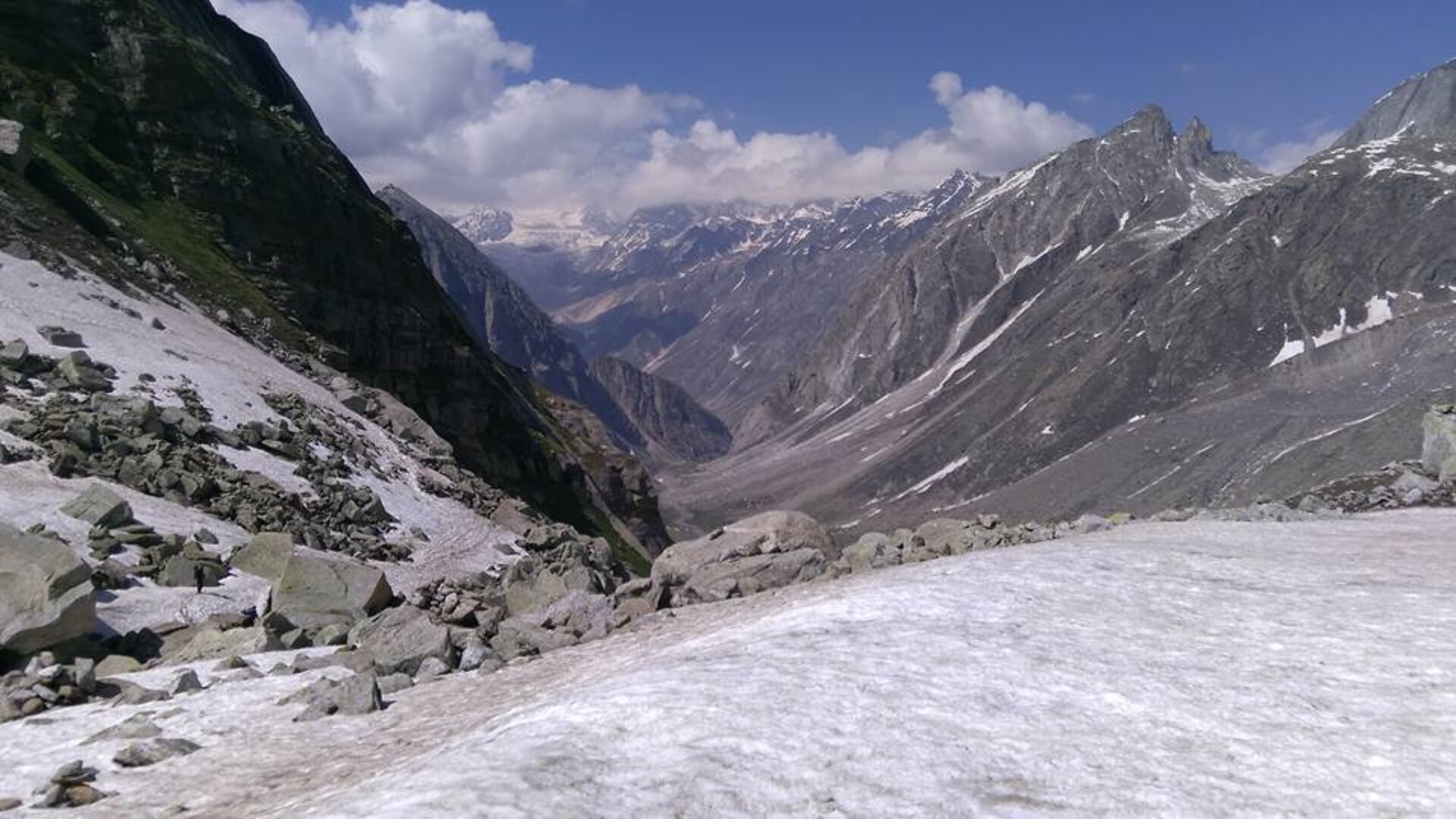
⏳ 4N/5D | ⚡ Moderate | 🏔️ 14,100 ft | 📍 Manali to Lahaul, Himachal Pradesh
Hampta Pass offers one of the finest short Himalayan adventures during the post monsoon season. As the rains retreat, lush green valleys near Manali remain vibrant while the higher reaches reveal crisp mountain views and fresh snow on surrounding peaks.
The trek crosses forests, alpine meadows, glacial streams and a dramatic mountain pass before descending into the barren landscapes of Lahaul, showcasing an extraordinary contrast within just a few days.
September and early October usually provide stable weather, comfortable temperatures and exceptional visibility, making this one of the best crossover treks for trekkers with limited time.
Ideal for: Beginners and experienced trekkers looking for maximum Himalayan diversity in a short itinerary.
📖 Learn more in our Complete Hampta Pass Trek Guide.
Kalihani Pass Trek
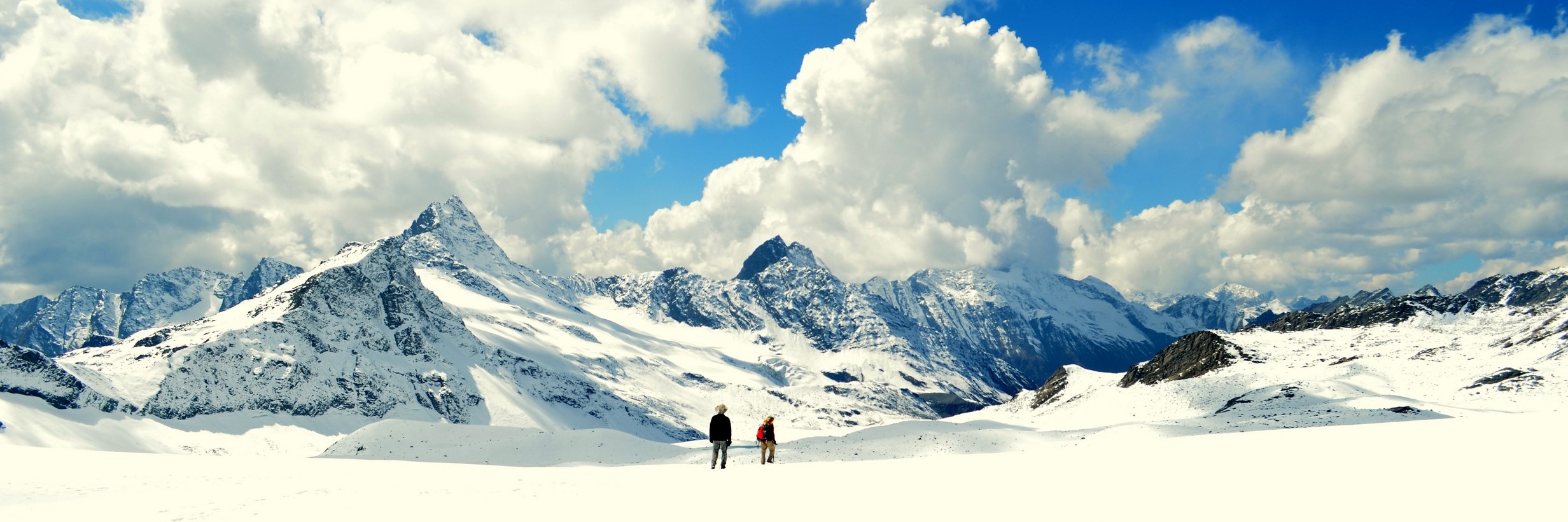
⏳ 7N/8D | ⚡ Moderate–Difficult | 🏔️ 15,850 ft | 📍 Kullu Valley, Himachal Pradesh
Kalihani Pass becomes exceptionally beautiful after the monsoon, when lush alpine meadows, wildflower-filled valleys and glacier-fed streams remain vibrant beneath crystal-clear autumn skies.
The route gradually climbs through cedar forests, expansive grazing grounds, glacial basins and snowfields before reaching the spectacular Kalihani Pass surrounded by towering Himalayan peaks.
With stable weather, reduced rainfall and fewer crowds, late September offers some of the year's finest conditions for experiencing this remote corner of the Pir Panjal Range.
Ideal for: Trekkers seeking a classic Himalayan journey featuring forests, meadows, glaciers and a rewarding high-altitude pass.
📖 Discover the complete route in our Complete Kalihani Pass Trek Guide.
Buran Ghati Trek
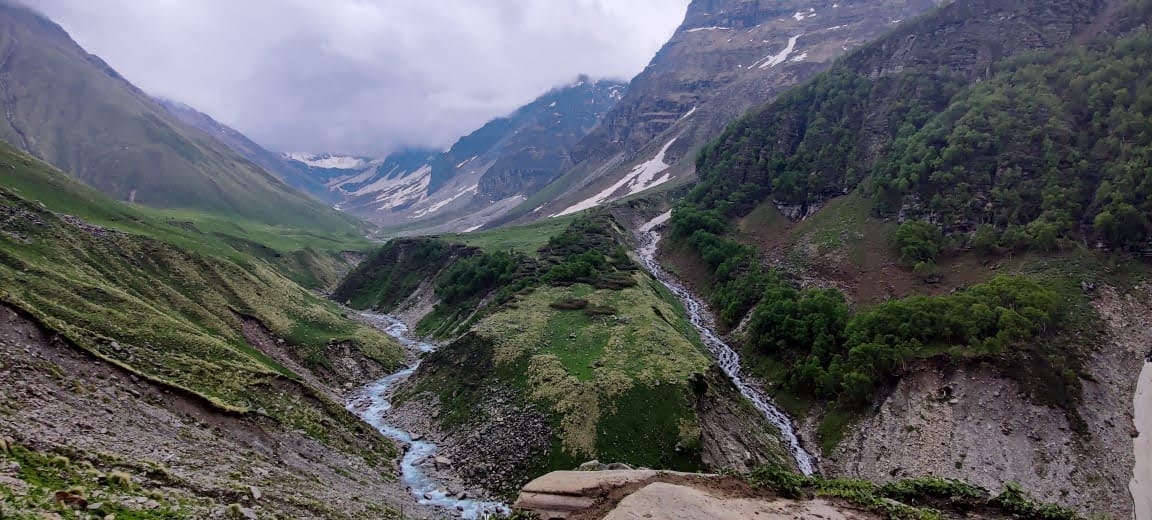
⏳ 6N/8D | ⚡ Moderate–Difficult | 🏔️ 15,000 ft | 📍 Shimla to Kinnaur, Himachal Pradesh
Buran Ghati perfectly captures everything that makes post monsoon trekking so memorable.
The trail begins through traditional villages, apple orchards and dense pine forests before climbing into expansive alpine meadows that remain beautifully green after the rains. As the route approaches the pass, glaciers, snow walls and rugged mountain terrain gradually replace forests, creating one of the most dramatic landscape transitions in the western Himalayas.
September and early October generally provide the most reliable conditions, combining stable weather with excellent mountain views while preserving the lush beauty left behind by the monsoon.
The famous descent from Buran Pass remains one of the most exciting sections on any Himalayan crossover trek.
Ideal for: Trekkers looking for forests, meadows, glaciers and an adventurous high-pass crossing within one expedition.
📖 Want to know everything before you go? Read our Complete Buran Ghati Trek Guide.
Rupin Pass Trek
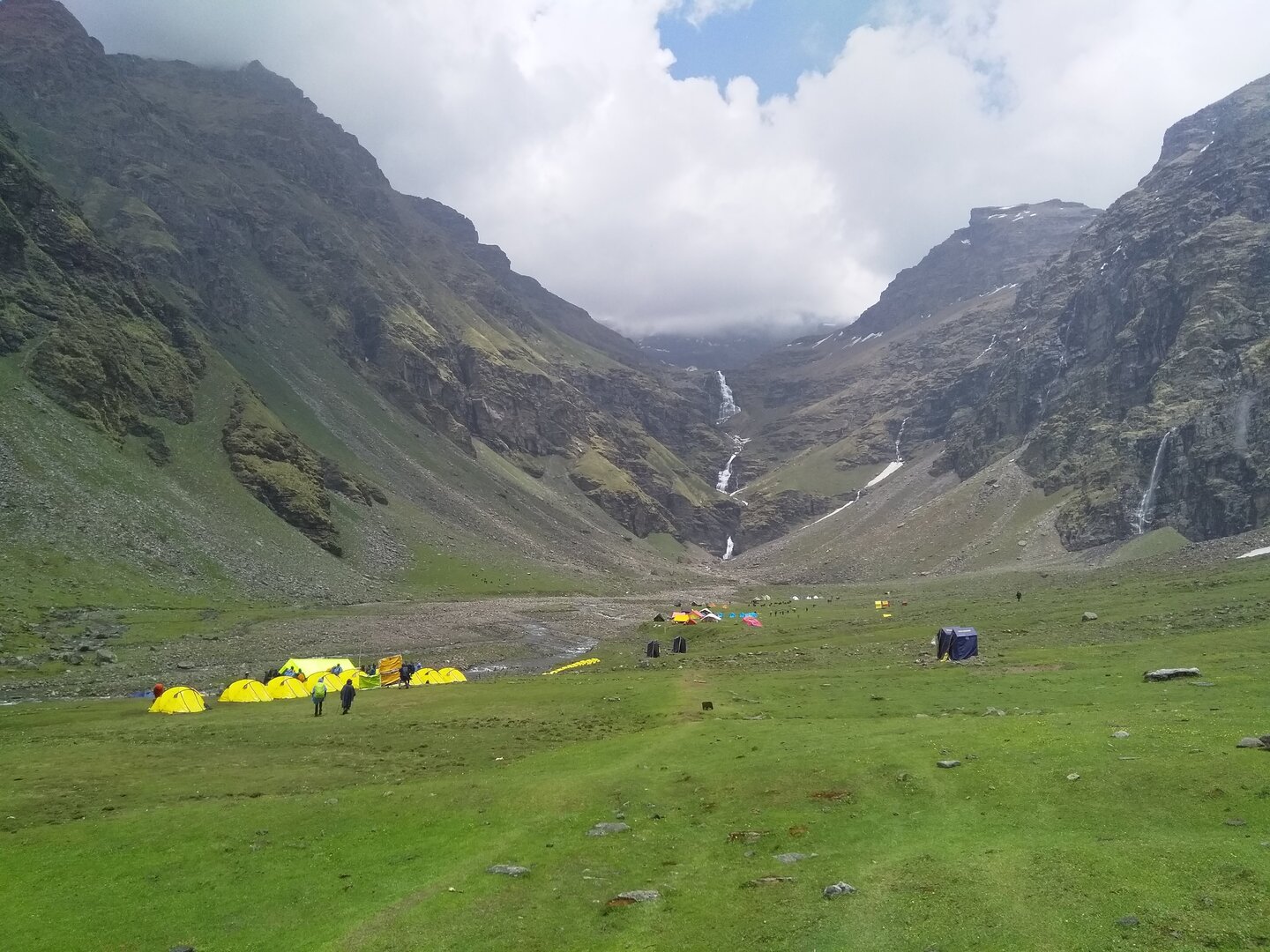
⏳ 6N/7D | ⚡ Difficult | 🏔️ 15,350 ft | 📍 Shimla to Kinnaur, Himachal Pradesh
Few Himalayan treks change scenery as frequently as Rupin Pass.
The route travels through hanging villages, deep river gorges, pine forests, waterfalls, alpine camps and vast snowfields before crossing into the spectacular upper valleys of Himachal Pradesh.
After the monsoon, waterfalls continue flowing strongly while the skies become noticeably clearer, creating an extraordinary contrast between lush lower valleys and snow-covered mountains.
Because snowfall usually begins returning by late October, September remains the preferred trekking window.
Ideal for: Experienced trekkers seeking one of India's most varied crossover expeditions.
📖 Want to know everything before you go? Read our Complete Rupin Pass Trek Guide.
Pin Bhaba Pass Trek
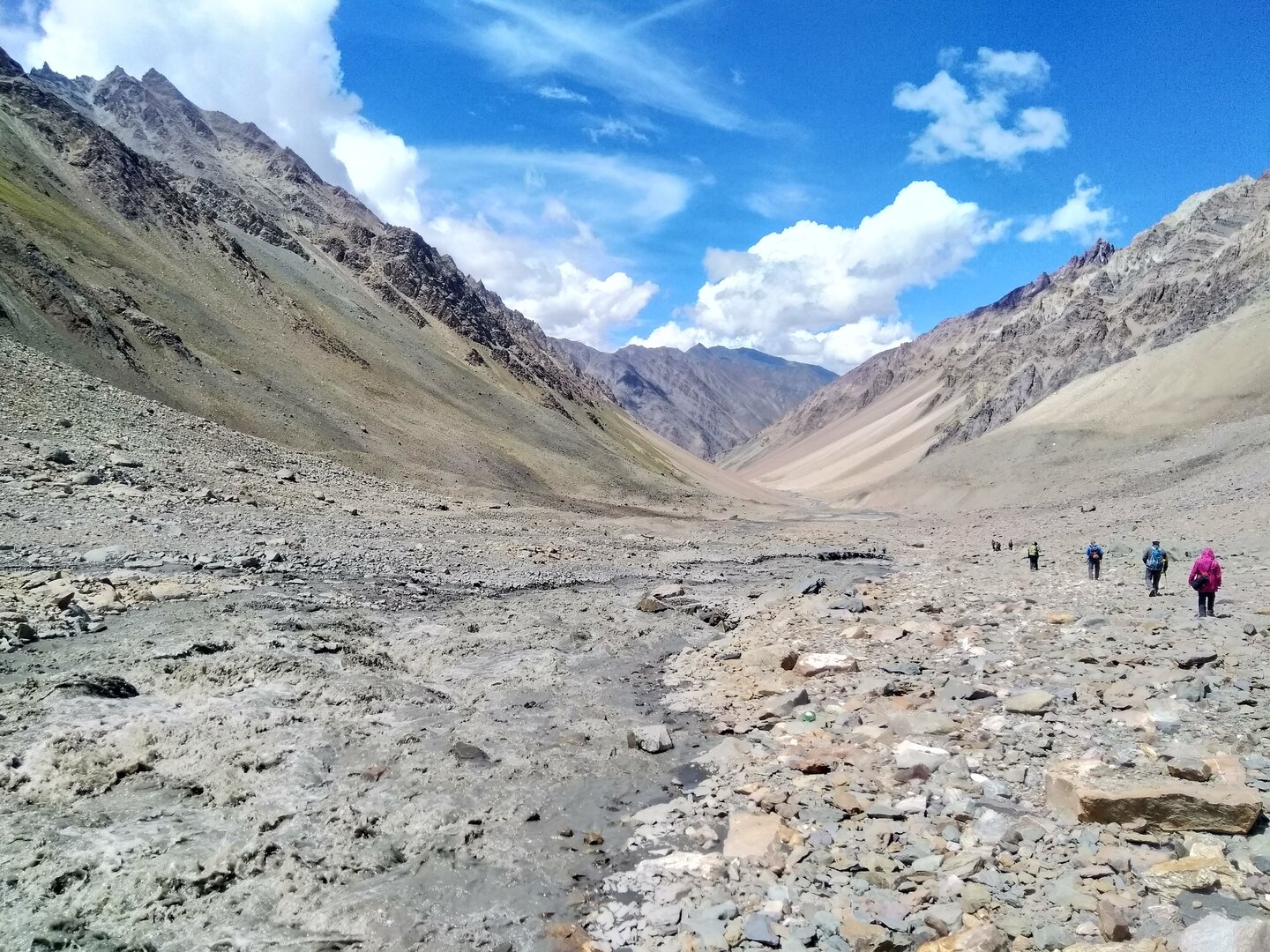
⏳ 6N/7D | ⚡ Moderate–Difficult | 🏔️ 16,100 ft | 📍 Kinnaur to Spiti, Himachal Pradesh
Pin Bhaba is often described as the most dramatic landscape transition in the Indian Himalayas.
Within a single week, trekkers walk from the lush forests and rivers of Kinnaur into the stark cold desert of Spiti.
By September, both sides of the pass display their finest character. The Bhaba Valley still retains its monsoon greenery, while the Spiti side remains dry beneath deep blue skies.
Very few Himalayan journeys demonstrate the concept of the rain-shadow region as vividly as Pin Bhaba.
Ideal for: Trekkers fascinated by Himalayan geography and dramatic landscape diversity.
Bali Pass Trek
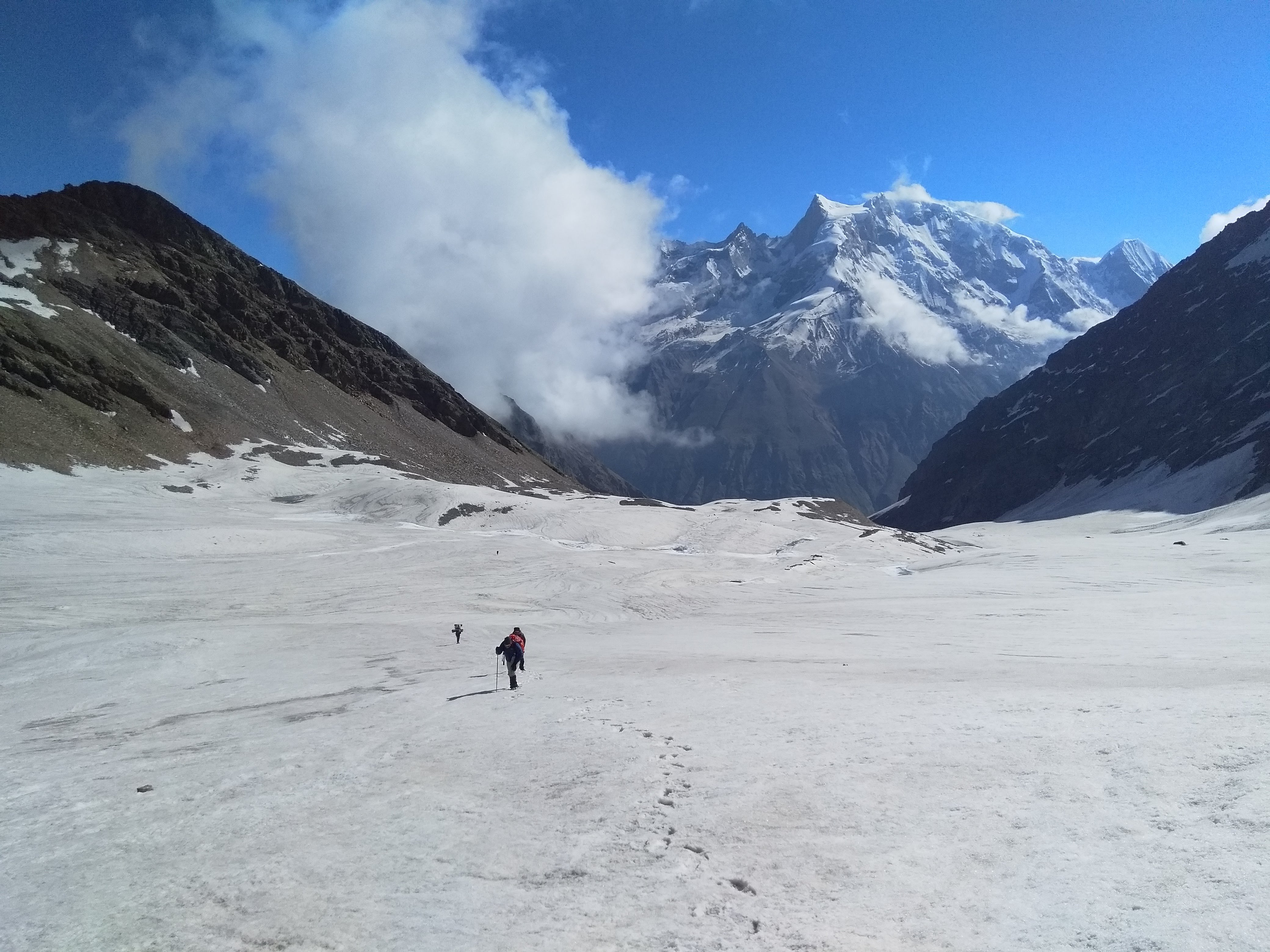
⏳ 7N/8D | ⚡ Difficult | 🏔️ 16,200 ft | 📍 Harkidun to Yamunotri, Uttarakhand
Bali Pass is one of the most demanding non-technical trekking routes in Uttarakhand.
The expedition links the legendary Har Ki Dun valley with Yamunotri through glaciers, moraine, steep mountain ridges and one of the state's highest trekking passes.
October offers exceptional conditions here. Stable weather improves safety across exposed terrain while crystal-clear skies reveal extensive views of Swargarohini, Bandarpoonch and neighbouring Himalayan giants.
This is not a beginner's trek—but for experienced hikers it ranks among the greatest post monsoon adventures in India.
Ideal for: Experienced trekkers wanting a physically demanding Himalayan expedition.
Pin Parvati Pass Trek
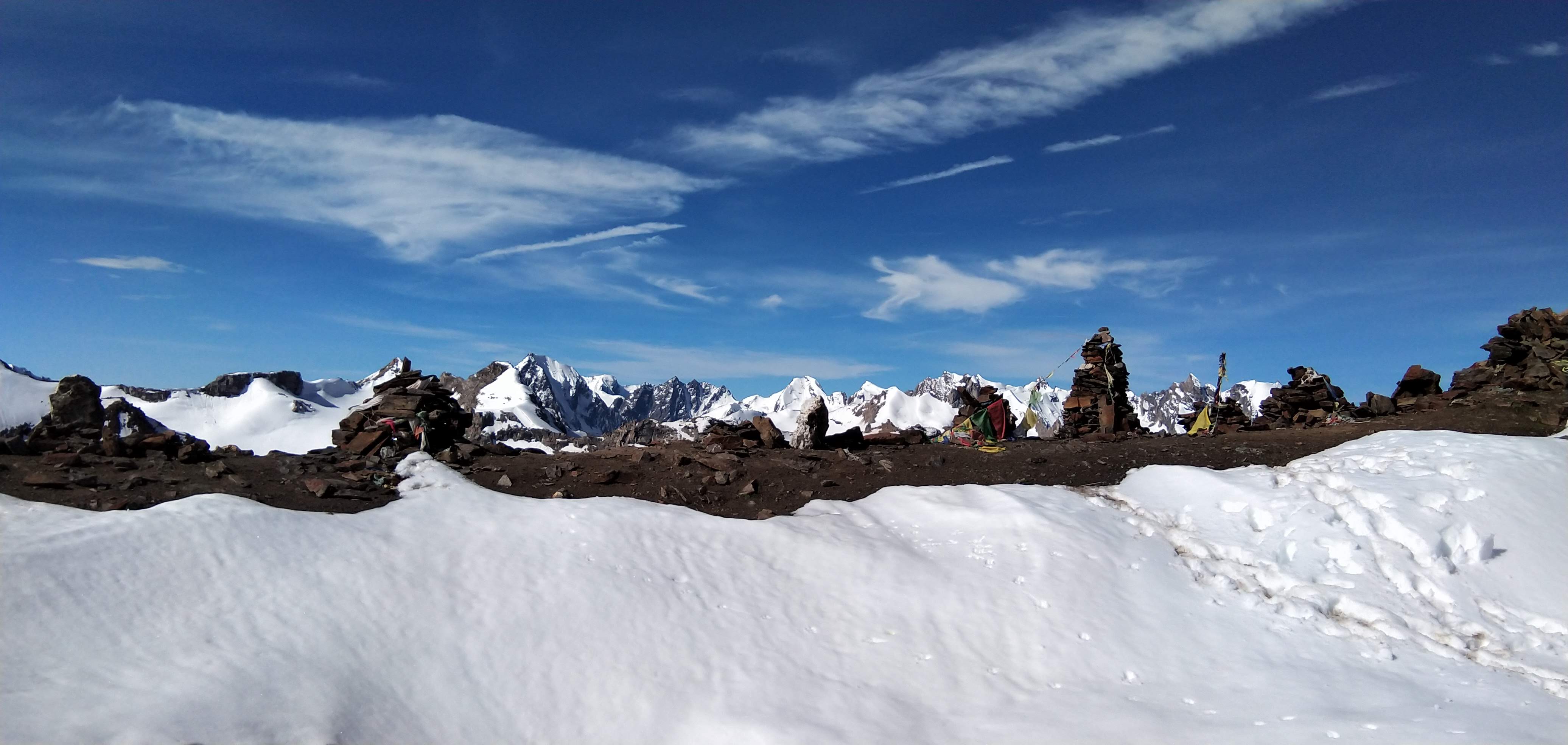
⏳ 10N/11D + 1 Buffer Day | ⚡ Challenging | 🏔️ 17,500 ft | 📍 Kullu to Spiti, Himachal Pradesh
Pin Parvati Pass is one of the Himalayas' most demanding crossover expeditions, connecting the lush Parvati Valley with the stark cold desert of Spiti. By September, the monsoon begins retreating from the southern valleys, offering clearer skies while the route remains alive with alpine greenery.
The expedition traverses dense forests, glacial valleys, moraines, river crossings, vast snowfields and one of the highest trekking passes in Himachal Pradesh. Every day presents a completely different landscape, making it one of the most diverse Himalayan journeys.
Late September and early October are widely regarded as the finest period, when weather stabilizes, visibility improves dramatically, and the transition into Spiti's rugged trans-Himalayan terrain becomes even more spectacular.
Ideal for: Experienced trekkers seeking a true expedition combining high-altitude challenge, remote wilderness and constantly changing landscapes.
📖 Planning this expedition? Read our Complete Pin Parvati Pass Trek Guide.
Borasu Pass Trek
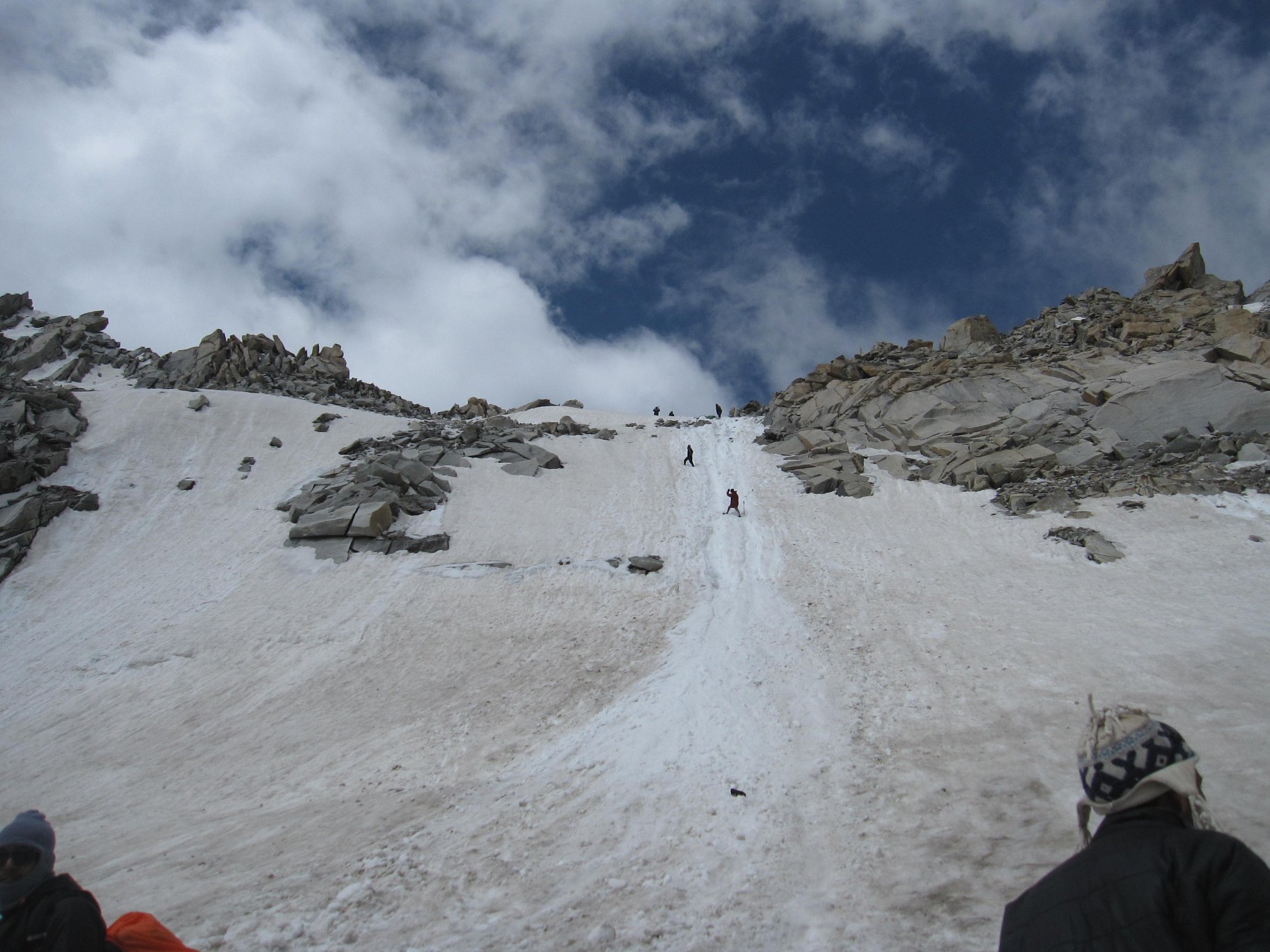
⏳ 8N/9D + 1 Buffer Day | ⚡ Challenging | 🏔️ 17,880 ft | 📍 Uttarakhand to Himachal Pradesh
Borasu Pass is one of India's most remote crossover expeditions, linking the pristine Har Ki Dun Valley with the untouched Baspa Valley of Himachal Pradesh. As autumn begins, the forests gradually turn golden while high-altitude sections enjoy stable weather and magnificent visibility.
The expedition combines ancient shepherd trails, alpine meadows, glaciers, moraine fields and an imposing high mountain pass, offering a true wilderness experience far from crowded trekking routes.
Late September and early October generally provide the safest weather window before winter snowfall begins closing the pass.
Ideal for: Experienced trekkers looking for a remote expedition across two Himalayan states with minimal crowds and exceptional mountain scenery.
📖 Explore the route in our Complete Borasu Pass Trek Guide.
Mayali Pass Trek
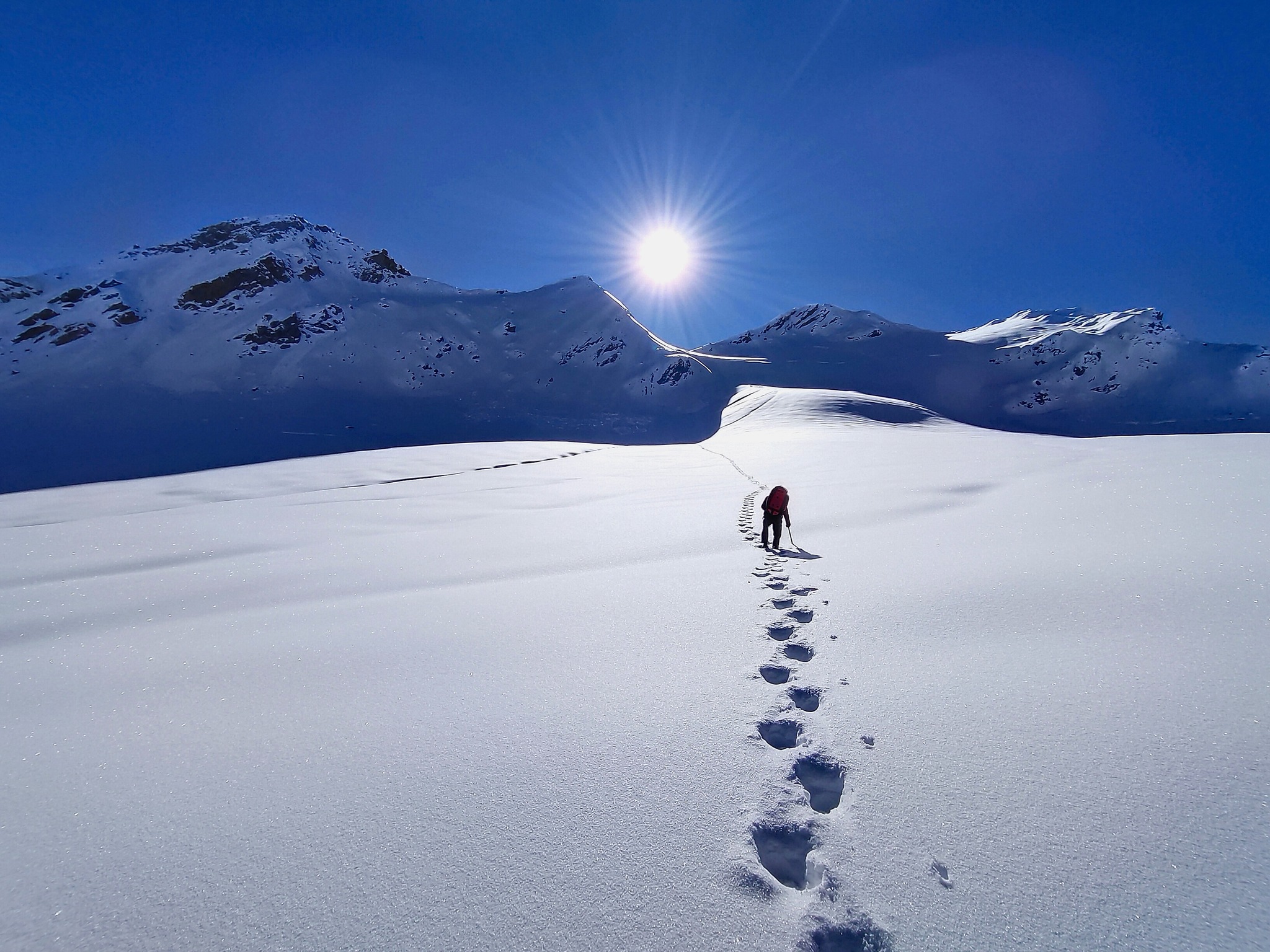
⏳ 9N/10D + 1 Buffer Day | ⚡ Challenging | 🏔️ 17,400 ft | 📍 Gangotri to Kedarnath Region, Uttarakhand
Mayali Pass is among Uttarakhand's most demanding alpine expeditions, connecting the sacred valleys of Gangotri and Kedarnath through glaciers, remote high camps and one of the state's highest trekking passes.
Post monsoon brings remarkably clear skies, stable weather and breathtaking views of towering Himalayan giants while the surrounding alpine slopes begin taking on the golden hues of autumn.
The combination of technical terrain, glacial crossings and complete wilderness makes Mayali Pass one of the most rewarding expeditions for seasoned trekkers seeking an authentic high-altitude challenge.
Ideal for: Experienced mountaineers and trekkers looking for one of Uttarakhand's most remote and demanding Himalayan crossings.
📖 Learn everything you need in our Complete Mayali Pass Trek Guide.
Why Most High Pass Treks End by Late October
A common misconception is that colder weather automatically makes trekking safer.
In reality, high mountain passes become increasingly unpredictable once winter begins returning to the Himalayas.
From late October onwards, fresh western disturbances start depositing new snow across elevations above 4,500 metres. Even relatively small snowfalls can obscure trails, conceal crevasses, increase avalanche risk on steep slopes, and make navigation considerably more difficult.
Night temperatures also begin dropping well below freezing, allowing snow to persist instead of melting during the day.
This is why many famous crossover expeditions—including Buran Ghati, Rupin Pass and Bali Pass—usually conclude their operating season by late October.
If your goal is to experience the Himalayas above 15,000 feet with stable weather, clear skies and comparatively safe trail conditions, the September to mid-October window remains the finest choice.
🏔️ Best Alpine Valley, Glacier & Lake Treks After the Monsoon
Not every unforgettable Himalayan journey needs a high mountain pass.
Some of the finest trekking experiences unfold within vast alpine valleys, beside glacial lakes, or beneath towering Himalayan giants where the destination itself is the landscape. These treks trade technical pass crossings for immersive wilderness, allowing trekkers to spend more time exploring meadows, glaciers, rivers and pristine mountain basins.
Post monsoon transforms these landscapes into their most spectacular form. Meadows remain lush after weeks of rainfall, glacial rivers flow at full strength, waterfalls continue cascading down granite cliffs, and the retreating monsoon leaves behind remarkably clear skies that reveal distant peaks with exceptional clarity.
Whether you're standing beside the sacred source of the Ganga, camping below the mighty Deo Tibba massif, or walking through the flower-filled Miyar Valley, these treks offer a slower, more immersive Himalayan experience where every campsite feels like a destination in itself.
If your ideal trek is about mountain scenery, photography, glaciers, alpine lakes and spending time surrounded by the Himalayas rather than racing toward a summit or pass, these are among India's finest post monsoon adventures.
Har Ki Dun Trek
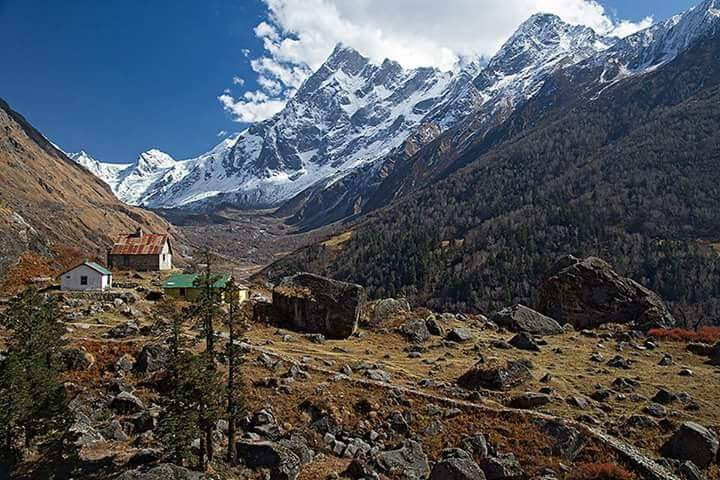
⏳ 6N/7D | ⚡ Easy | 🏔️ 11,200 ft | 📍 Uttarkashi, Uttarakhand
Har Ki Dun is one of the oldest and most beautiful Himalayan valley treks, following the ancient trade route that once connected India with Tibet. The journey passes through traditional wooden villages, pine forests, alpine meadows and the broad Har Ki Dun valley beneath Swargarohini and Black Peak.
During September and October, the valley begins changing into brilliant shades of green and gold while post monsoon skies reveal uninterrupted views of the surrounding snow-clad mountains.
Unlike expedition-style treks, Har Ki Dun rewards slow exploration, making it ideal for those who wish to experience Himalayan culture alongside breathtaking scenery.
Ideal for: Beginners, families and photographers looking for an easy Himalayan valley trek with rich cultural heritage.
📖 Learn more in our Complete Har Ki Dun Trek Guide.
Gaumukh Tapovan Trek
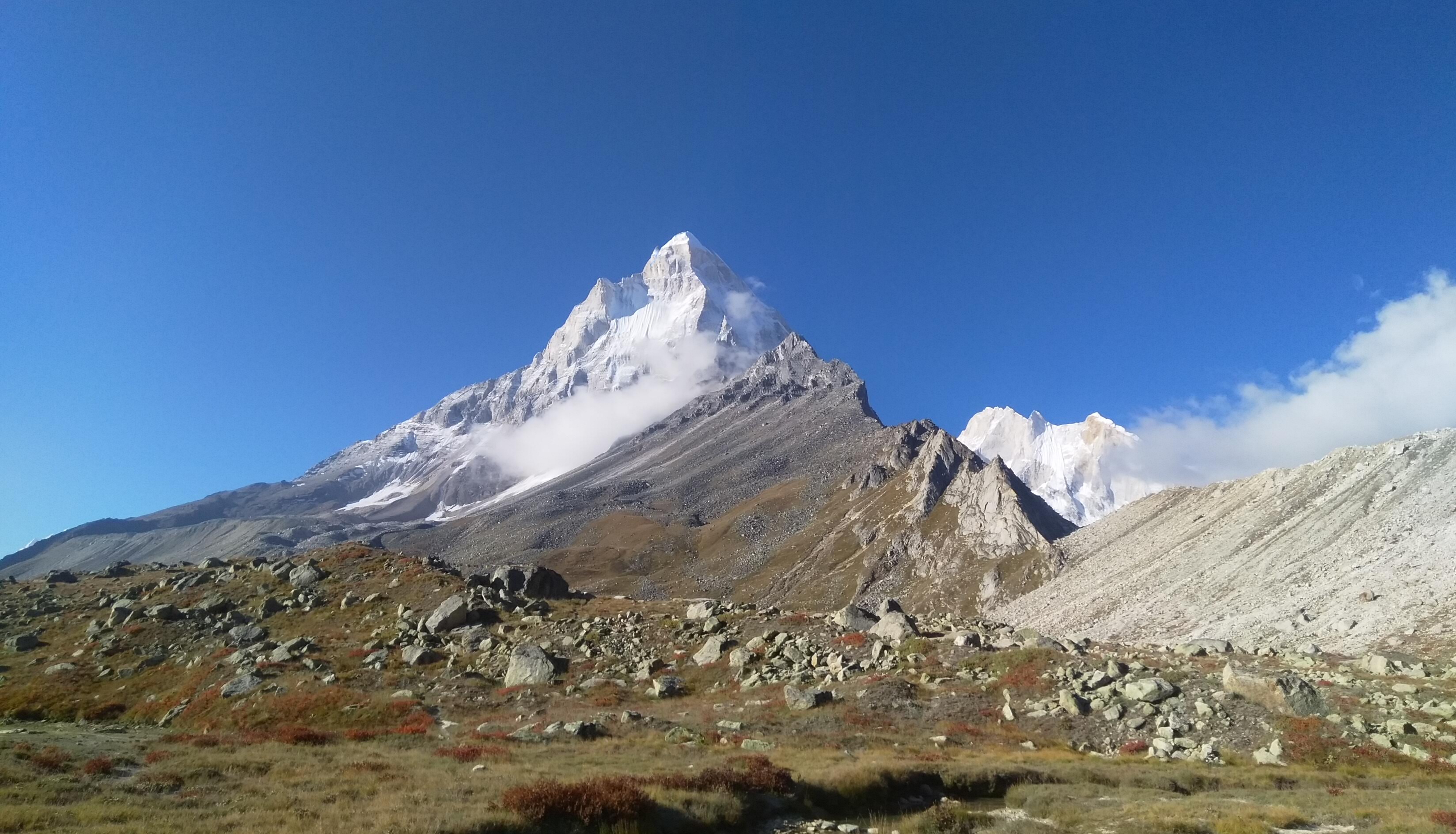
⏳ 6N/7D | ⚡ Moderate | 🏔️ 14,500 ft | 📍 Gangotri National Park, Uttarakhand
Few Himalayan treks combine spiritual significance and dramatic mountain scenery as beautifully as Gaumukh Tapovan. The trail follows the Bhagirathi River to Gaumukh—the sacred snout of the Gangotri Glacier—before climbing onto the spectacular alpine meadows of Tapovan.
Autumn offers the clearest weather of the year. The monsoon has washed the mountains clean, revealing breathtaking views of Shivling, Meru and the Bhagirathi peaks towering above the glacier.
The combination of glaciers, high-altitude meadows and some of the Himalayas' most iconic peaks makes this one of India's classic trekking experiences.
Ideal for: Trekkers seeking glaciers, Himalayan giants and one of India's most sacred mountain landscapes.
📖 Planning your journey? Read our Complete Gaumukh Tapovan Trek Guide.
Kedartal Trek
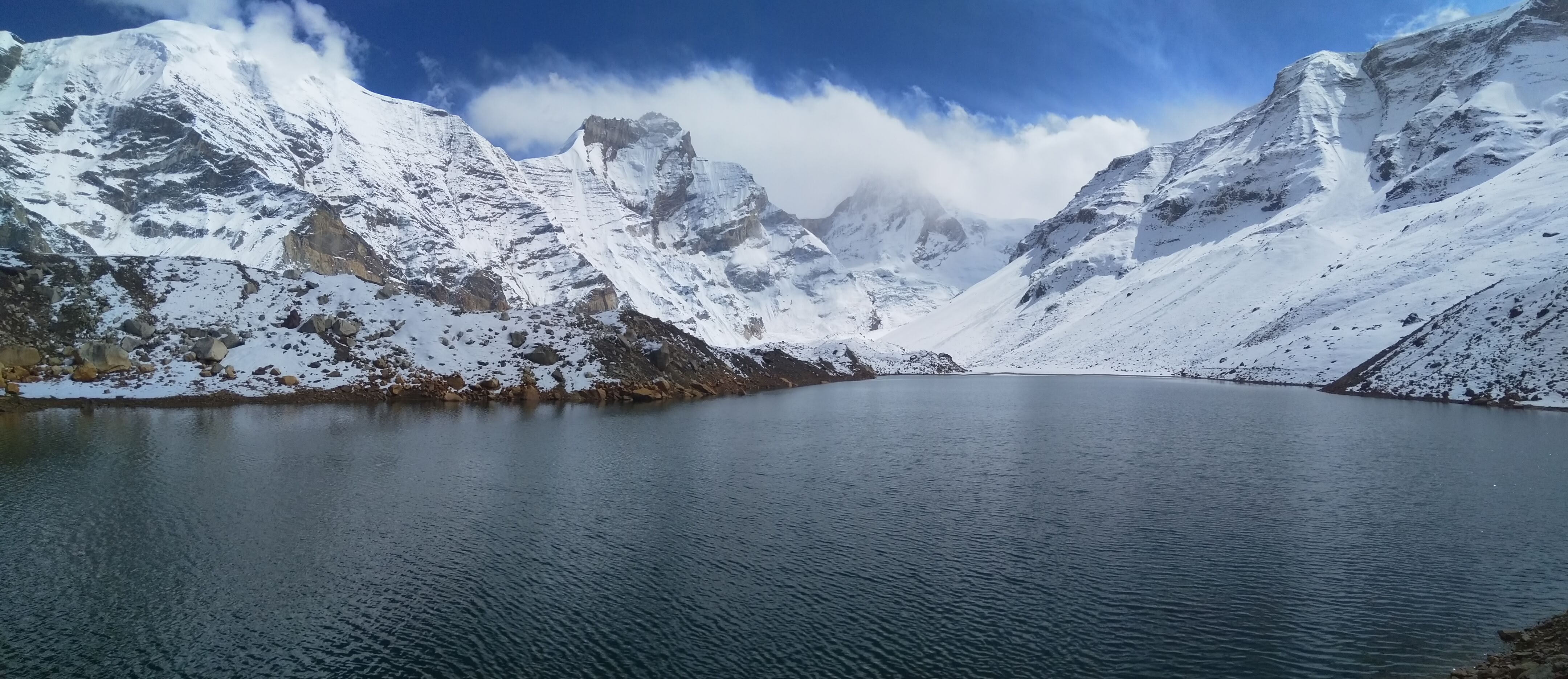
⏳ 6N/7D | ⚡ Difficult | 🏔️ 4,750 m | 📍 Gangotri, Uttarakhand
Kedartal is one of India's most dramatic alpine lake treks. Suspended beneath the towering faces of Thalay Sagar, Bhrigupanth and Meru, the emerald lake reflects some of the most iconic peaks in the Garhwal Himalayas.
After the monsoon, crystal-clear skies and stable weather create perfect conditions for photography while the surrounding peaks often receive the season's first dusting of snow.
Although the trail is demanding, the reward is one of the finest glacial lake settings anywhere in the Indian Himalayas.
Ideal for: Experienced trekkers seeking alpine lakes, technical trails and world-class mountain scenery.
📖 Explore the route in our Complete Kedartal Trek Guide.
Miyar Valley Trek
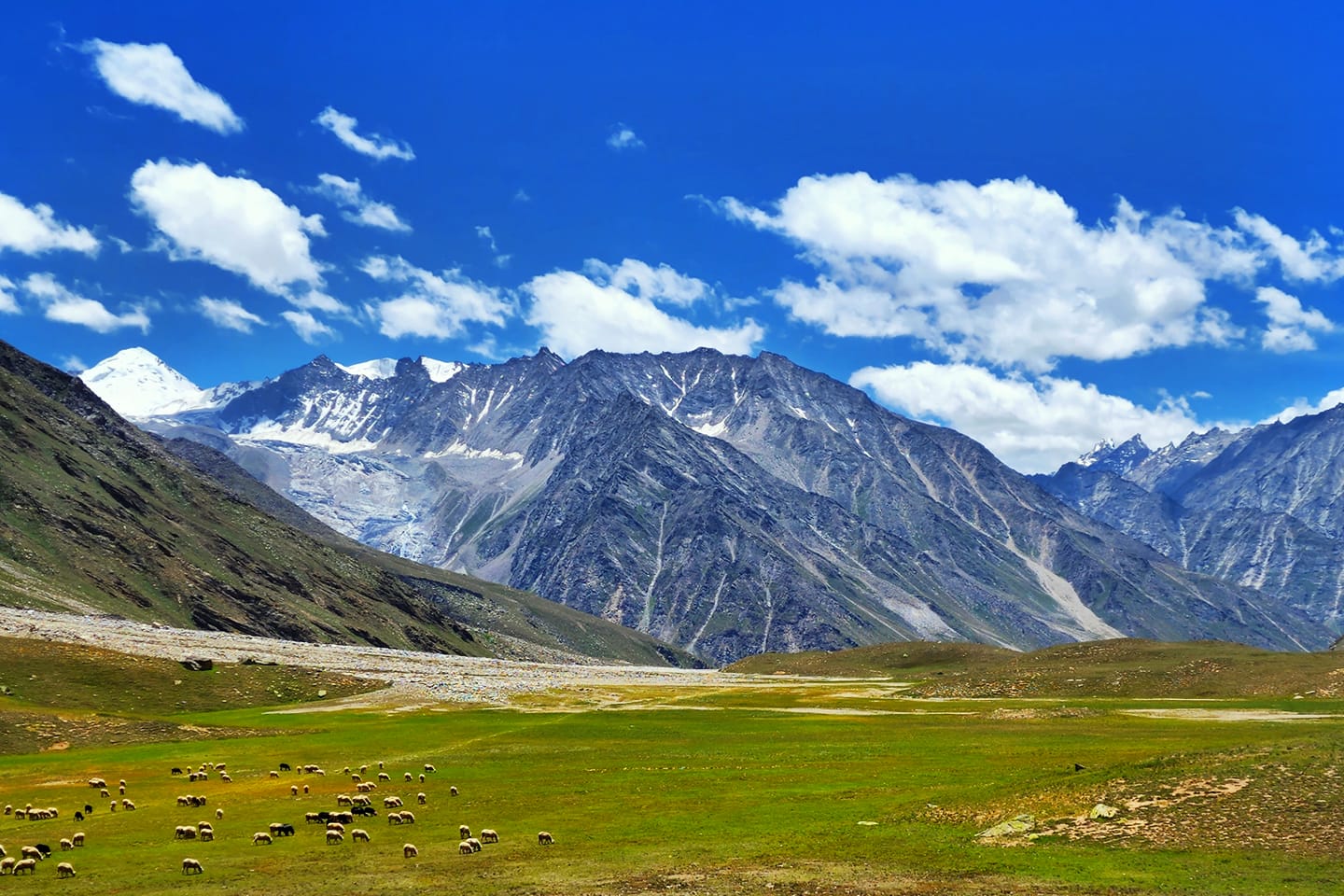
⏳ 7N/7D | ⚡ Moderate | 🏔️ 14,000 ft | 📍 Lahaul, Himachal Pradesh
Known as the Valley of Flowers of Himachal Pradesh, Miyar Valley is an extraordinary alpine expedition surrounded by granite walls, hanging glaciers, glacial rivers and endless flower-filled meadows.
Unlike many famous Himalayan treks, Miyar remains wonderfully uncrowded. September is arguably its finest month, when the valley remains lush after the rains while the surrounding peaks emerge beneath deep blue Himalayan skies.
The gradual journey towards Kang La Base Camp reveals increasingly dramatic landscapes every single day, making this one of India's finest valley expeditions.
Ideal for: Trekkers seeking long alpine valleys, wildflowers, glaciers and peaceful Himalayan wilderness.
📖 Learn more in our Complete Miyar Valley Trek Guide.
Beas Kund Trek
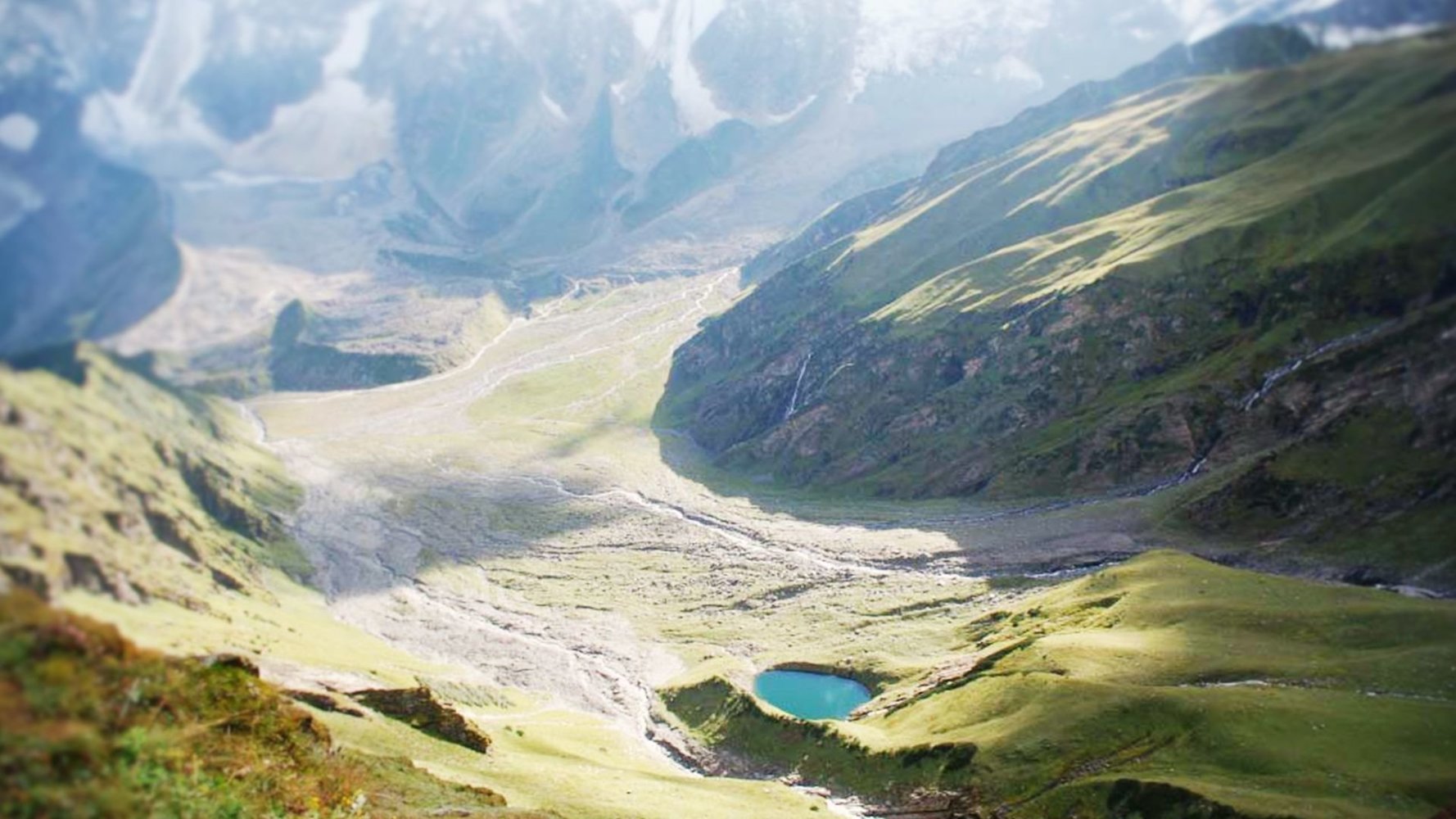
⏳ 2N/3D | ⚡ Easy | 🏔️ 12,200 ft | 📍 Manali, Himachal Pradesh
Beas Kund is one of the finest short Himalayan treks for beginners, leading to the glacial lake that marks the legendary source of the Beas River.
Post monsoon transforms the Solang Valley into a vibrant landscape of green meadows, flowing streams and exceptionally clear mountain views. The surrounding peaks—including Hanuman Tibba, Friendship Peak and Shitidhar—appear spectacular against the deep blue autumn sky.
Its short duration, gentle gradients and dramatic scenery make Beas Kund a perfect introduction to Himalayan trekking.
Ideal for: Beginners, families and weekend adventurers looking for glaciers, alpine meadows and magnificent mountain views.
📖 Read our Complete Beas Kund Trek Guide.
Deo Tibba Base Camp Trek
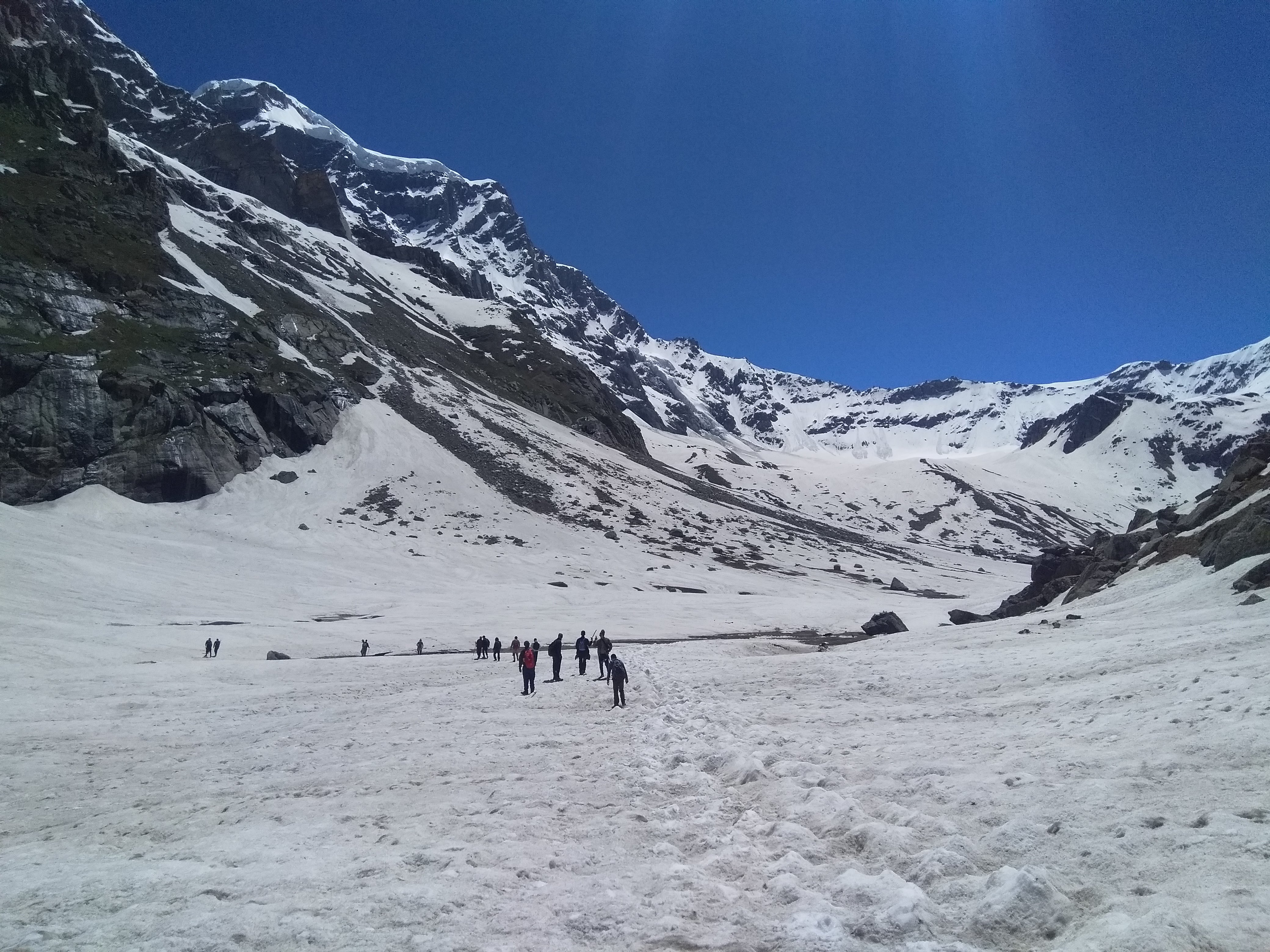
⏳ 5N/6D | ⚡ Moderate | 🏔️ 14,500 ft | 📍 Manali, Himachal Pradesh
Hidden beneath the imposing Deo Tibba massif, this trek offers one of the finest base camp experiences in the western Himalayas. Unlike high-pass expeditions, the journey allows trekkers to spend several days exploring glacial valleys, alpine meadows, river crossings and moraine terrain while the magnificent mountain remains in view throughout the expedition.
After the monsoon, the meadows surrounding Chota Chandratal and Seri become incredibly lush, while fresh snowfall often begins decorating the higher slopes of Deo Tibba and Indrasan. Crystal-clear skies during September and October make the glacier views particularly rewarding.
The combination of forests, meadows, waterfalls and massive snow-clad peaks creates an experience that feels both adventurous and peaceful.
Ideal for: Trekkers seeking a classic Himalayan base camp experience without crossing a high mountain pass.
📖 Explore the complete route in our Deo Tibba Base Camp Trek Guide.
Nanda Devi East Base Camp Trek
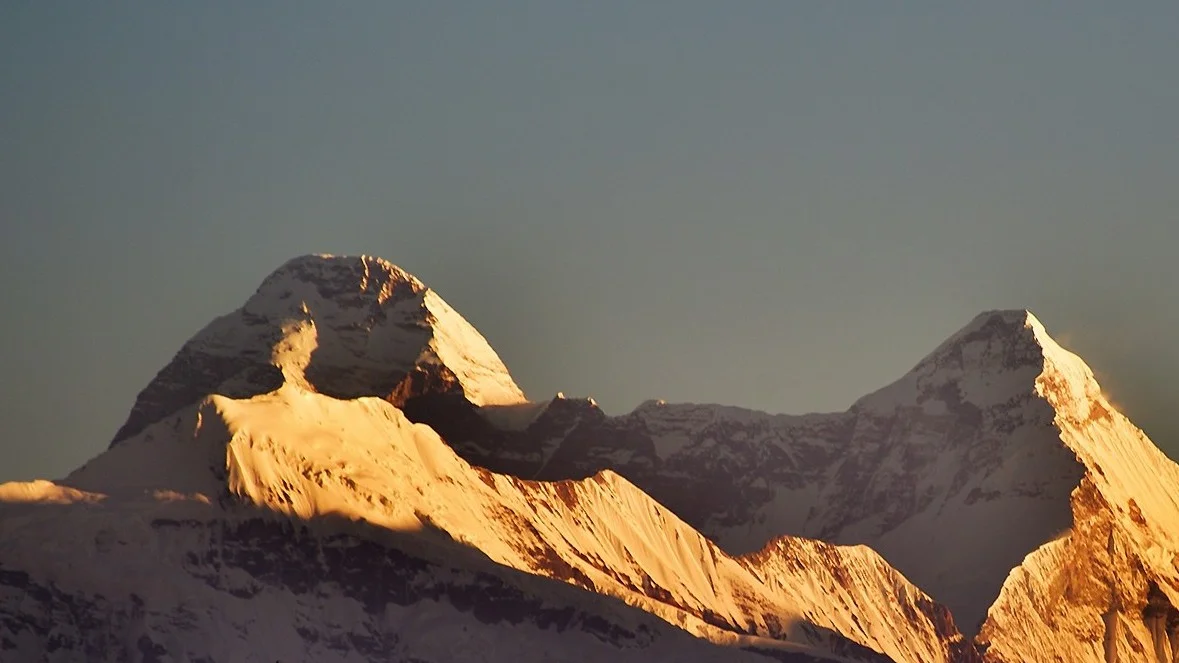
⏳ 7N/8D | ⚡ Moderate–Difficult | 🏔️ 4,700 m | 📍 Kumaon, Uttarakhand
Few Himalayan expeditions feel as remote and rewarding as Nanda Devi East Base Camp. Following the historic route once used by legendary mountaineers, the trail travels through traditional Kumaoni villages, dense forests, alpine meadows and glacial valleys before arriving beneath India's second-highest mountain.
Autumn is widely regarded as the finest season for this expedition. The retreating monsoon leaves the forests vibrant, while the clear atmosphere reveals magnificent views of Nanda Devi East, Nanda Kot, Changuch and surrounding glaciers.
The combination of history, wilderness and extraordinary mountain scenery makes this one of India's lesser-known but most memorable Himalayan expeditions.
Ideal for: Experienced trekkers looking for remote Himalayan wilderness and iconic base camp scenery.
📖 Learn more in our Complete Nanda Devi East Base Camp Guide.
Markha Valley Trek
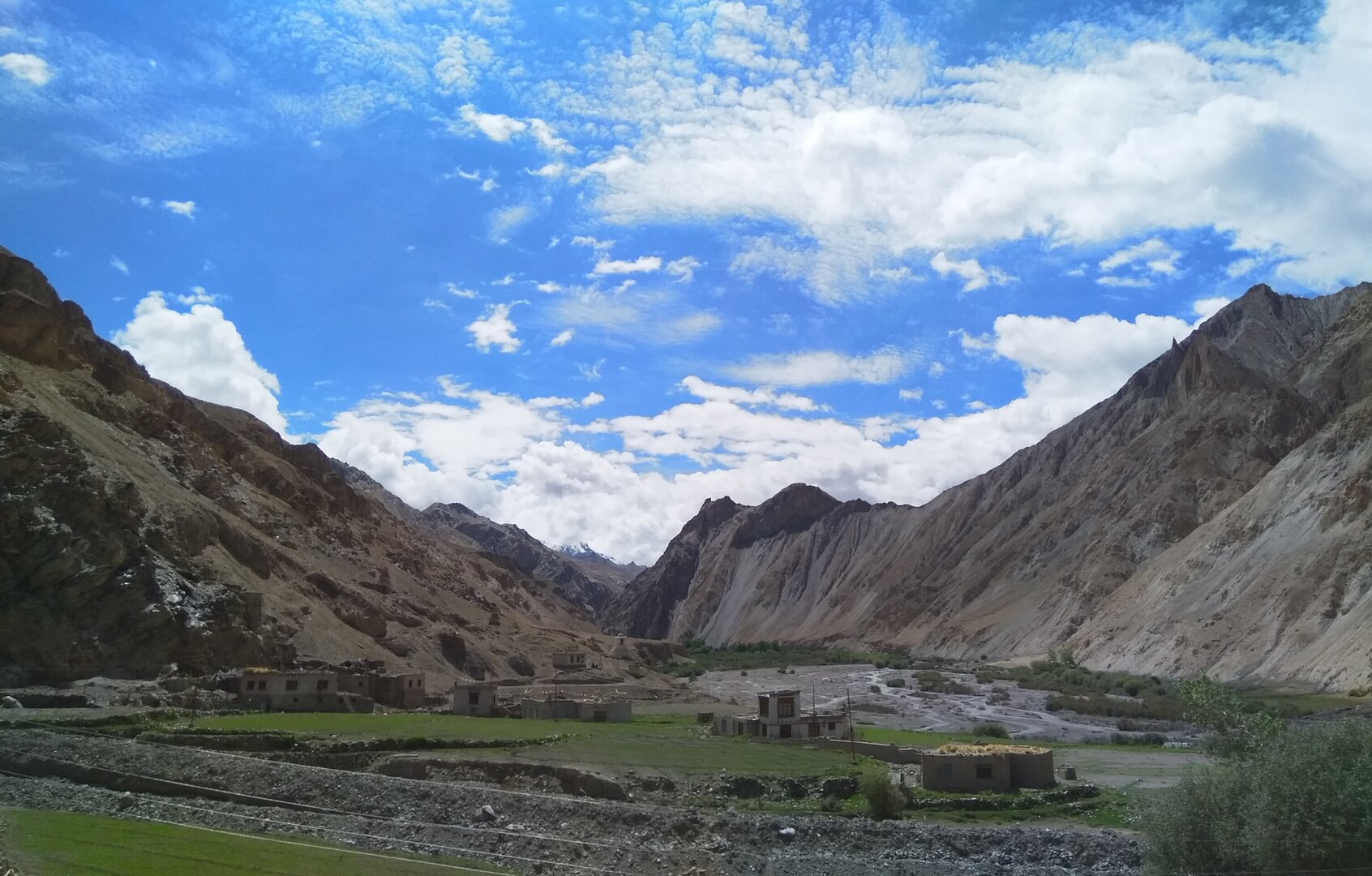
⏳ 7N/7D | ⚡ Moderate–Difficult | 🏔️ 17,100 ft | 📍 Ladakh
Markha Valley is one of the Himalayas' greatest long-distance trekking journeys, traversing ancient villages, Buddhist monasteries, dramatic canyons and vast high-altitude landscapes deep within Ladakh.
Although protected from the southwest monsoon, September and early October remain the finest months to explore the valley. Pleasant daytime temperatures, golden willow groves, crisp air and exceptional visibility combine to create the classic Ladakh trekking experience.
Crossing Kongmaru La rewards trekkers with breathtaking views stretching across Kang Yatse, Stok Kangri and the immense trans-Himalayan ranges.
Ideal for: Trekkers seeking long-distance Himalayan journeys, high-altitude desert landscapes and Ladakh's unique culture.
📖 Discover the complete itinerary in our Markha Valley Trek Guide.
Goechala Trek
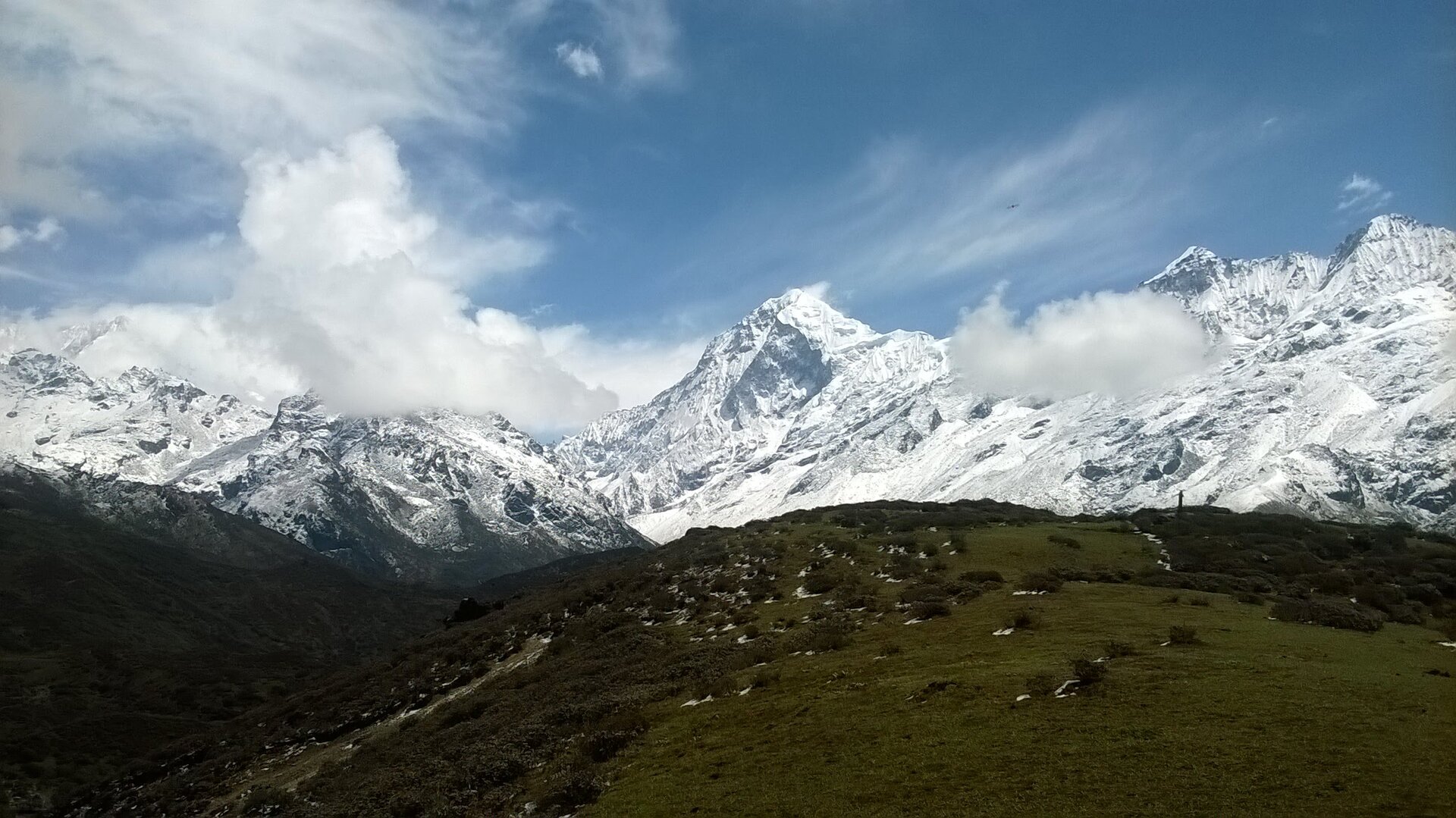
⏳ 9N/10D | ⚡ Difficult | 🏔️ 15,200 ft | 📍 Sikkim
For many mountain lovers, Goechala offers the finest panorama anywhere in the Indian Himalayas. The trail gradually climbs through ancient rhododendron forests, pristine alpine lakes and glacial valleys before reaching viewpoints directly facing the mighty southeast face of Kangchenjunga.
October is widely considered the best month for this trek. The post monsoon atmosphere becomes exceptionally clear, allowing breathtaking sunrise views of Kangchenjunga, Pandim, Kabru, Rathong and numerous surrounding peaks.
Every campsite feels increasingly dramatic, culminating in one of the most unforgettable mountain sunrises in Asia.
Ideal for: Experienced trekkers, photographers and anyone dreaming of witnessing Kangchenjunga at sunrise.
📖 Planning your expedition? Read our Complete Goechala Trek Guide.
Satopanth Lake Trek
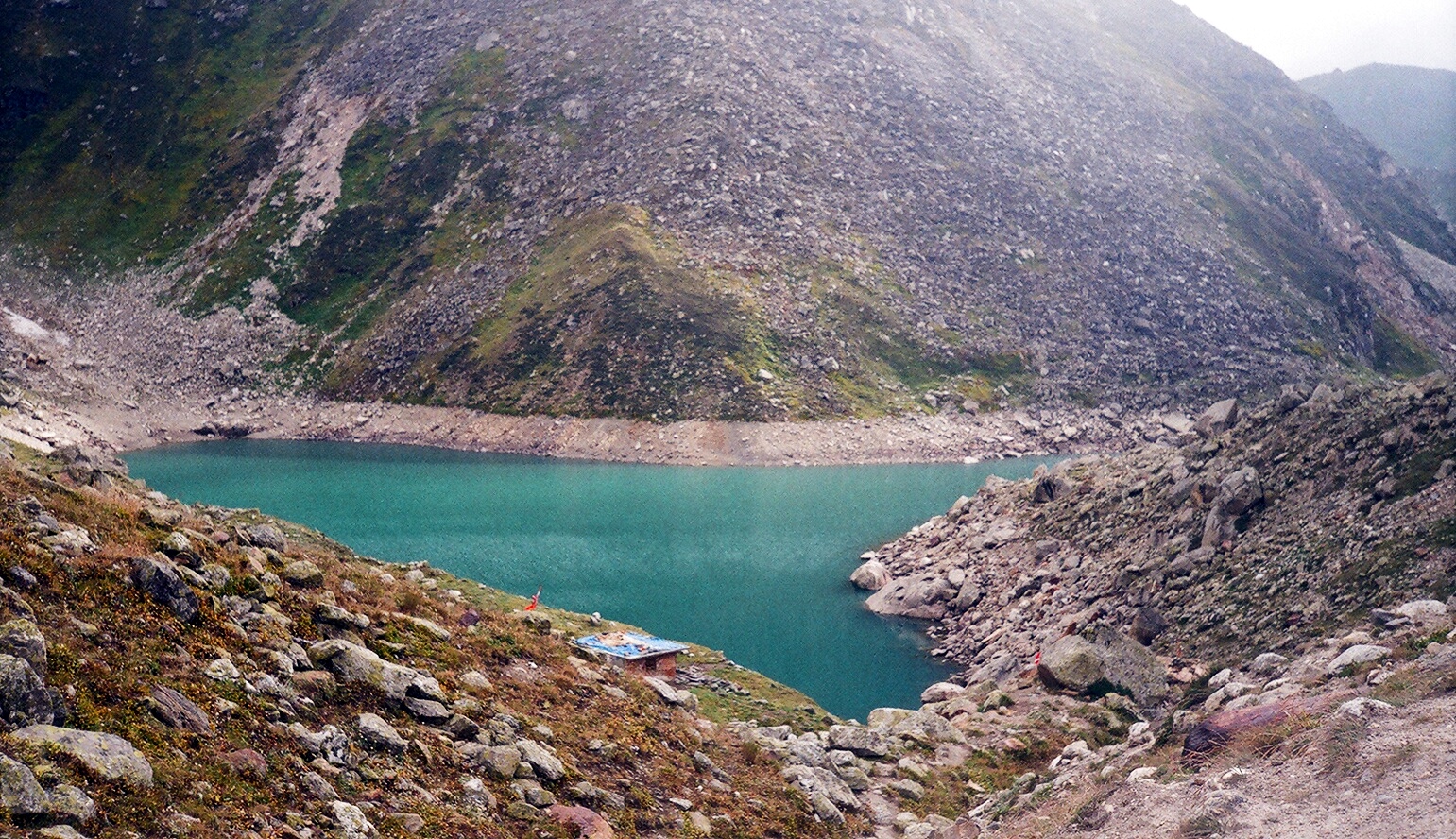
⏳ 5N/6D | ⚡ Moderate | 🏔️ 15,100 ft | 📍 Badrinath, Uttarakhand
Hidden beyond Mana Village, Satopanth Lake is among the Himalayas' most sacred alpine lakes. The trek follows the Alaknanda River through moraine fields and glacial terrain before reaching the emerald, triangular lake surrounded by the towering Chaukhamba massif.
Post monsoon offers the most stable weather and clearest mountain views of the year. Fresh snow often begins appearing on the surrounding peaks while the glacial lake reflects deep blue autumn skies in remarkable clarity.
The blend of mythology, glacial landscapes and spectacular Himalayan scenery makes Satopanth one of Uttarakhand's most rewarding alpine lake treks.
Ideal for: Trekkers seeking sacred Himalayan landscapes, glaciers and high-altitude alpine lakes.
📖 Read our Complete Satopanth Lake Trek Guide.
Why Autumn Makes These Treks Truly Exceptional
What makes these journeys unforgettable isn't simply their destinations—it's the season itself. After months of nourishing rain, alpine meadows remain vibrant, glaciers stand out sharply against deep blue skies, and mountain reflections shimmer across crystal-clear lakes. With excellent visibility, comfortable trekking temperatures and comparatively stable weather, September through November offers some of the finest conditions of the entire Himalayan trekking calendar.
Whether you're following the sacred waters of the Ganga to Gaumukh, standing beneath the granite walls of Miyar Valley, camping beside the emerald waters of Kedartal or witnessing sunrise over Kangchenjunga from Goechala, these treks reveal a quieter, more intimate side of the Himalayas—one where every valley, glacier and alpine lake tells its own story.
🍁 Best Late Autumn Treks in India (November-December)
As October gradually transitions into November, another transformation quietly begins across the Himalayas.
Green meadows slowly turn golden.
Oak and maple forests develop shades of amber, yellow and copper.
The air becomes drier and significantly colder, while snow-covered peaks appear remarkably sharp against deep blue skies.
This is autumn in the Himalayas.
Unlike early post monsoon, which favours high mountain expeditions, autumn belongs to forest trails, panoramic ridges and expansive alpine meadows.
Kuari Pass Trek
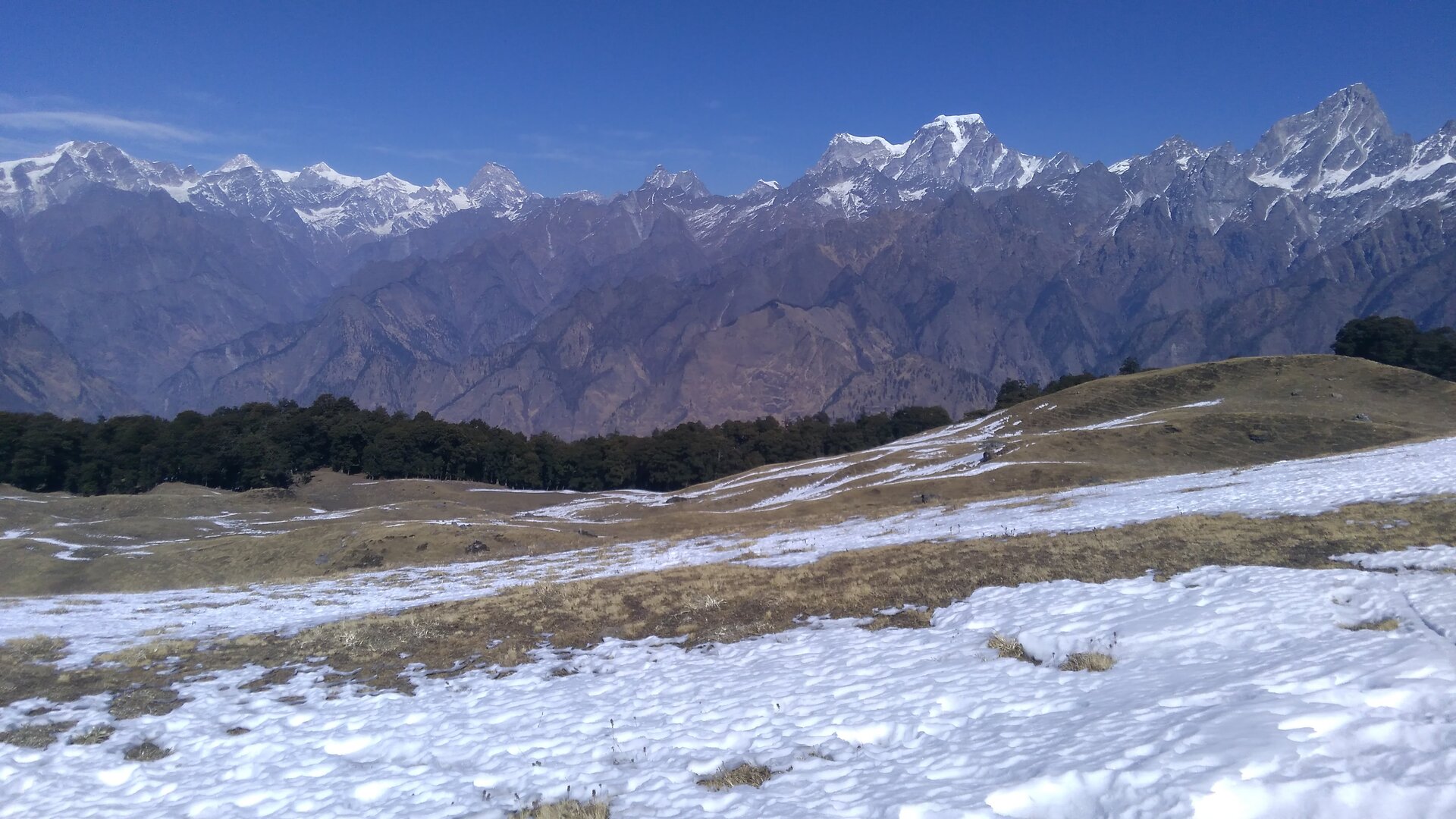
⏳ 4N/5D | ⚡ Easy–Moderate | 🏔️ 12,500 ft | 📍 Chamoli, Uttarakhand
Known as the famous Curzon Trail, Kuari Pass is one of India's finest beginner-friendly Himalayan treks. The route winds through ancient oak and rhododendron forests before emerging onto open ridgelines overlooking some of the highest peaks in Uttarakhand.
During autumn, the forests glow with shades of yellow and gold while crystal-clear skies reveal uninterrupted views of Nanda Devi, Dronagiri, Kamet, Hathi-Ghoda and Chaukhamba.
Ideal for: First-time trekkers looking for spectacular Himalayan panoramas with moderate difficulty.
📖 Read our Complete Kuari Pass Trek Guide.
Ali Bedni Bugyal Trek
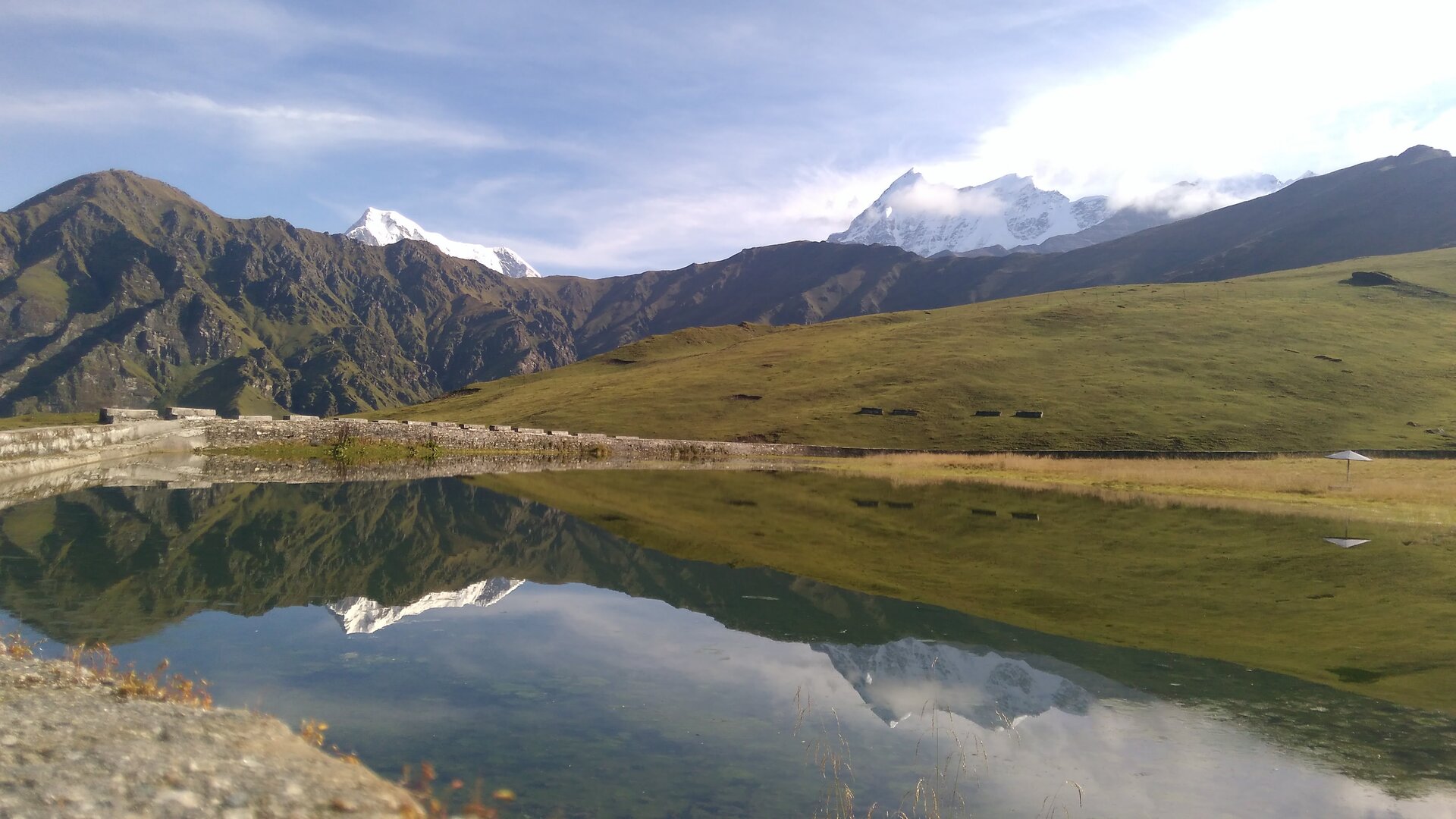
⏳ 4N/5D | ⚡ Easy–Moderate | 🏔️ 12,550 ft | 📍 Uttarakhand
Ali and Bedni Bugyal together form one of the largest alpine meadow systems in India. Endless rolling grasslands stretch beneath the towering faces of Trishul and Nanda Ghunti, creating one of the Himalayas' most photogenic landscapes.
By late October, the lush summer meadows slowly transform into golden carpets while remarkably clear skies provide outstanding long-range mountain views.
Ideal for: Trekkers seeking alpine meadows, autumn colours and one of India's finest photography treks.
📖 Explore our Complete Ali Bedni Bugyal Trek Guide.
Ranthan Kharak Trek
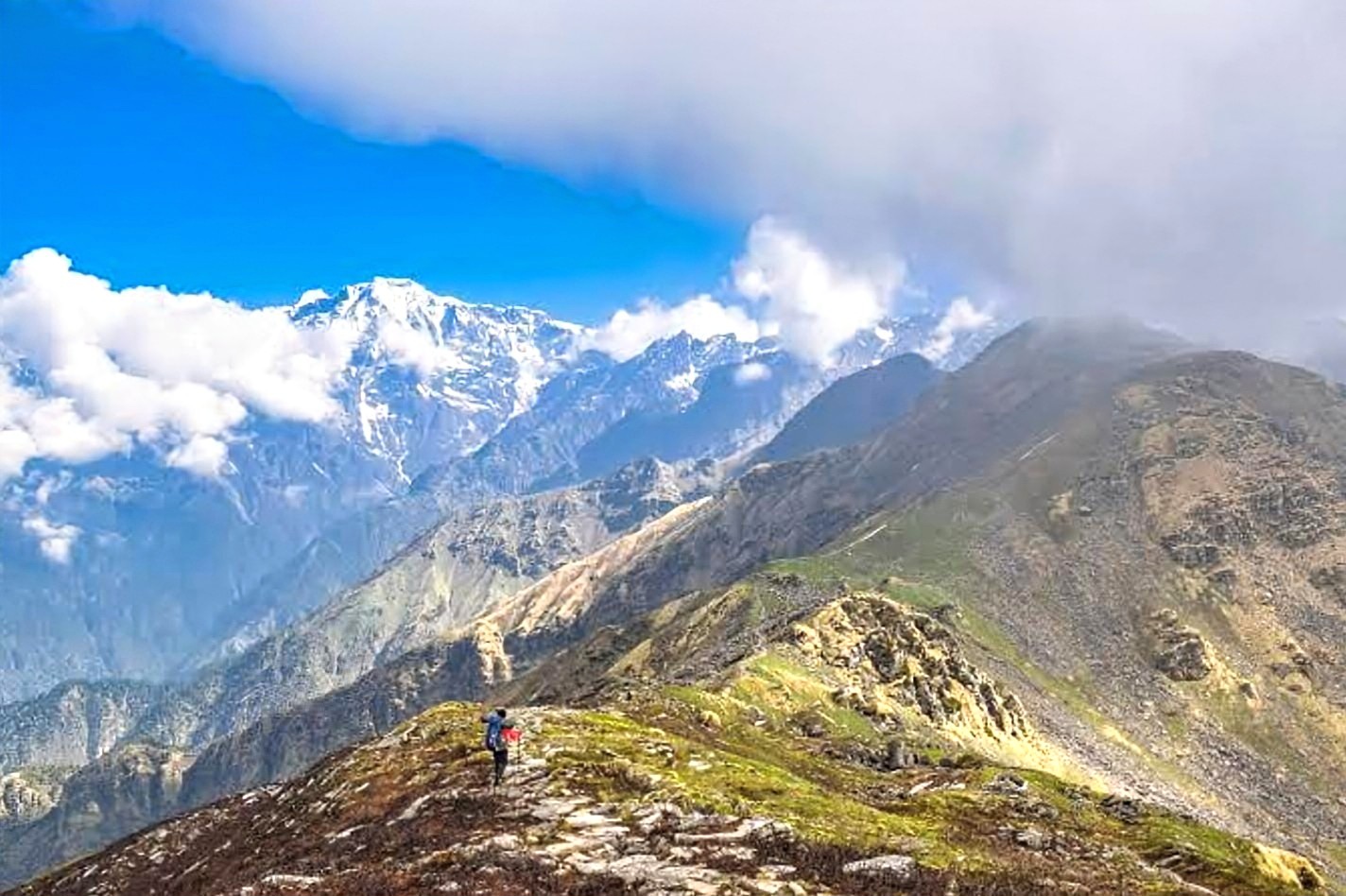
⏳ 6N/7D | ⚡ Moderate | 🏔️ 12,900 ft | 📍 Kumaon, Uttarakhand
One of Kumaon's hidden gems, Ranthan Kharak remains surprisingly uncrowded despite offering magnificent forests, alpine campsites and uninterrupted views of the Panchachuli massif.
October and November transform the trail into a colourful corridor of oak, maple and rhododendron forests, making it one of the best Himalayan treks for autumn foliage.
Ideal for: Trekkers looking for peaceful trails, autumn forests and offbeat Himalayan scenery.
📖 Read our Complete Ranthan Kharak Trek Guide.
Deoriatal Chandrashila Trek
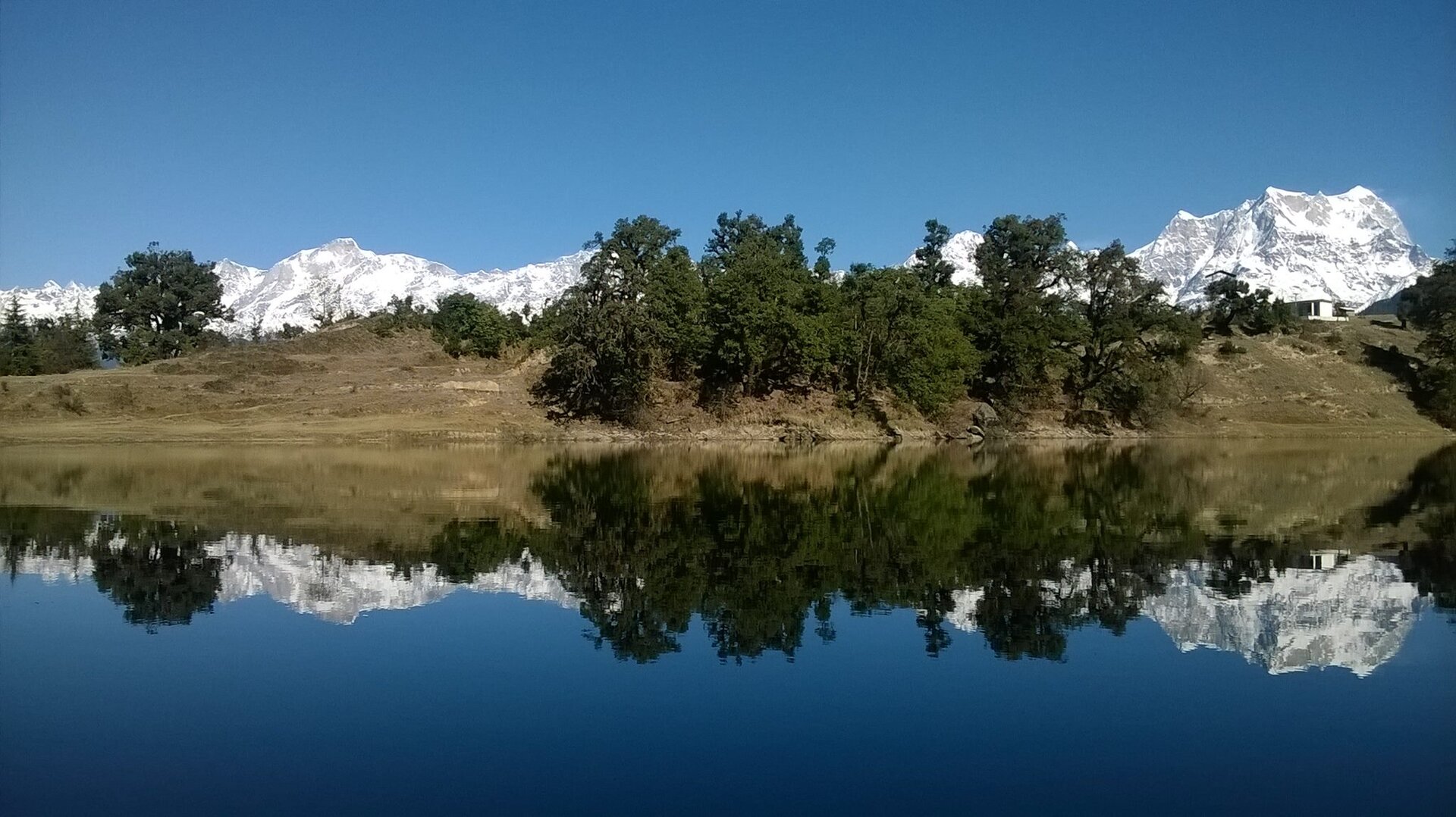
⏳ 5N/6D | ⚡ Easy | 🏔️ 12,100 ft | 📍 Uttarakhand
Combining the tranquil reflections of Deoriatal with the panoramic summit of Chandrashila, this trek offers two of Uttarakhand's most iconic viewpoints in a single journey.
Post monsoon mornings often deliver crystal-clear sunrise views stretching from Chaukhamba to Nanda Devi while the surrounding forests begin their transition into vibrant autumn colours.
Ideal for: Beginners, weekend trekkers and photographers seeking maximum scenery in a short duration.
Dodital Darwa Pass Trek
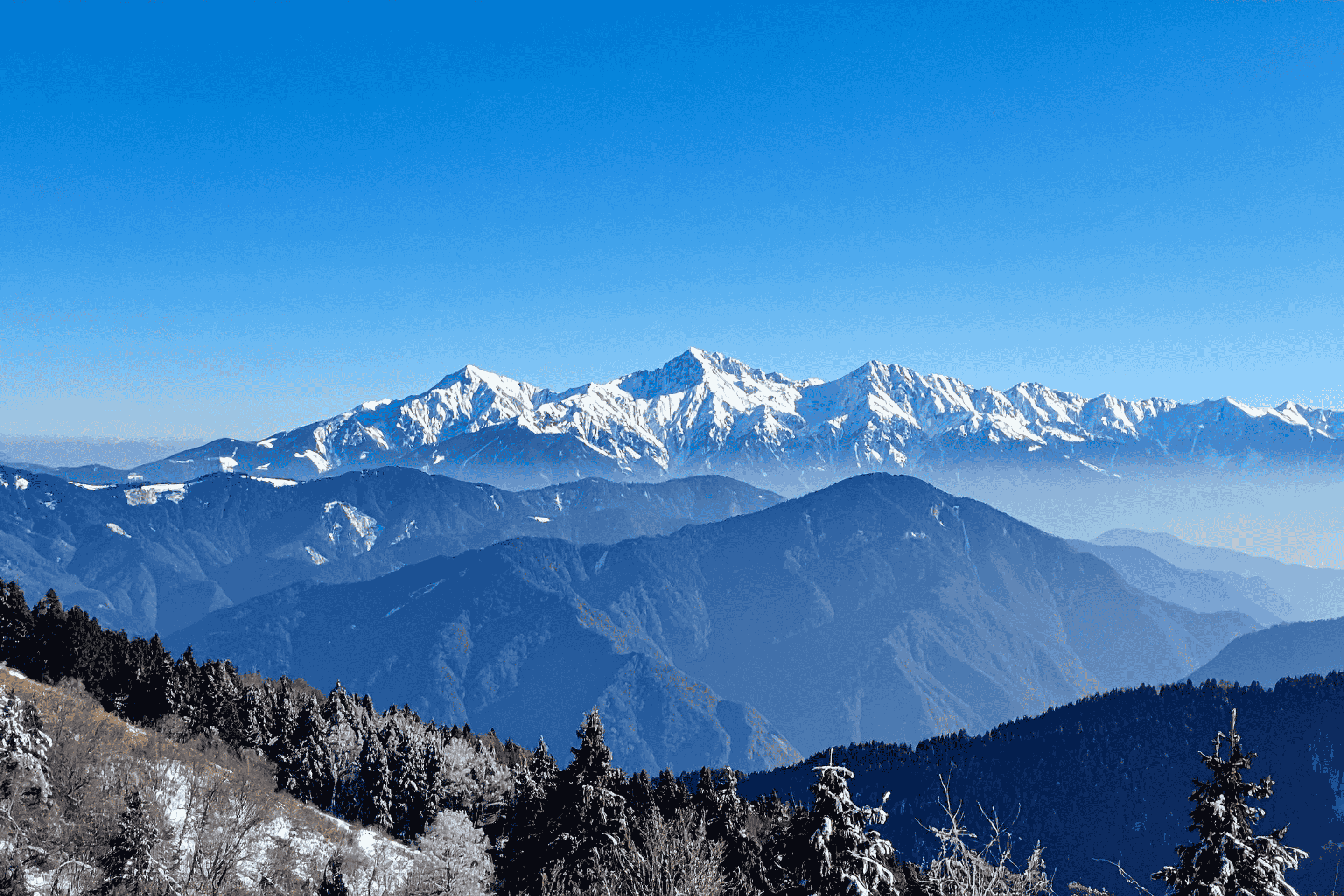
⏳ 4N/5D | ⚡ Easy–Moderate | 🏔️ 13,200 ft | 📍 Uttarkashi, Uttarakhand
Dodital is famous for its pristine high-altitude lake surrounded by dense oak and rhododendron forests. Crossing Darwa Pass rewards trekkers with spectacular views of Bandarpoonch, Swargarohini and the Garhwal Himalayas.
Autumn brings calm weather, colourful forests and exceptionally clear mountain views, making this one of Uttarakhand's most peaceful post monsoon treks.
Ideal for: Nature lovers seeking alpine lakes, forests and moderate mountain adventures.
Phulara Ridge Trek
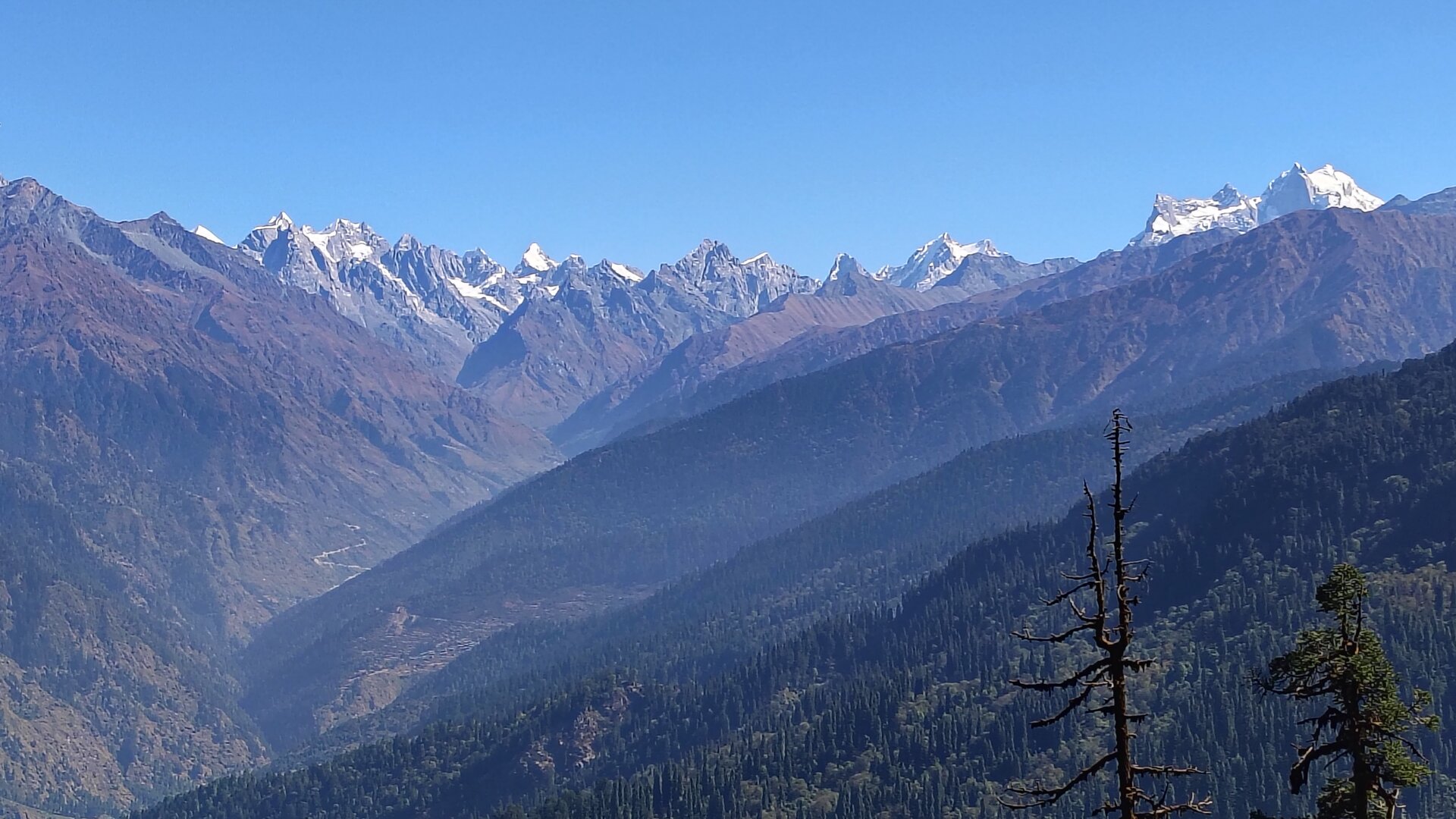
⏳ 5N/6D | ⚡ Easy–Moderate | 🏔️ 12,150 ft | 📍 Uttarkashi, Uttarakhand
Unlike most Himalayan treks that briefly cross a ridge, Phulara Ridge allows trekkers to walk along a spectacular ridgeline for several kilometres while enjoying uninterrupted 360-degree Himalayan views.
Autumn enhances the experience with golden forests below and brilliantly clear mountain vistas stretching across Swargarohini, Bandarpoonch and Black Peak.
Ideal for: Trekkers wanting unique ridge walks, wide panoramas and comfortable trekking conditions.
Goechala Trek
⏳ 9N/10D | ⚡ Difficult | 🏔️ 15,200 ft | 📍 Sikkim
October transforms Goechala into one of the finest mountain-view treks in Asia. Dense forests gradually give way to alpine valleys and glacial landscapes before revealing unforgettable sunrise views of Kangchenjunga.
Ideal for: Experienced trekkers chasing world-class Himalayan panoramas and autumn mountain photography.
📖 Read our Complete Goechala Trek Guide.
Har Ki Dun Trek
⏳ 6N/7D | ⚡ Easy | 🏔️ 11,200 ft | 📍 Uttarkashi, Uttarakhand
Har Ki Dun perfectly showcases the quieter side of autumn trekking. Ancient villages, colourful forests, alpine meadows and the broad Har Ki Dun valley combine into one of the most relaxing Himalayan journeys before winter.
As October advances, the valley gradually turns golden while Swargarohini and Black Peak dominate the skyline beneath crisp blue skies.
Ideal for: Beginners, families and trekkers seeking culture, forests and classic Himalayan landscapes.
📖 Explore our Complete Har Ki Dun Trek Guide.
The Colours of Autumn in the Himalayas
Unlike the vibrant wildflowers of the monsoon season, autumn brings a quieter beauty to the mountains. Forests glow in shades of gold and amber, alpine meadows turn honey-coloured, mornings become crisp, and every mountain range appears sharper beneath deep blue skies. For many trekkers, this combination of stable weather, comfortable temperatures and extraordinary visibility makes October and November the most rewarding months to explore the Himalayas.
📸 Best Post Monsoon Treks for Photography
If your primary objective is photography, post monsoon offers conditions unmatched by any other Himalayan season.
- 📷 Goechala Trek — Sunrise over Kangchenjunga, birds and spectacular Himalayan panoramas.
- 📷 Miyar Valley Trek — Towering granite walls, wildflower meadows, glaciers and pristine alpine landscapes.
- 📷 Buran Ghati Pass Trek — Dense forests, expansive meadows, glaciers and dramatic high-pass landscapes.
- 📷 Ali Bedni Bugyal Trek — Endless golden alpine meadows beneath Trishul and Nanda Ghunti.
- 📷 Kuari Pass Trek — One of the finest panoramic skylines in the Garhwal Himalayas.
- 📷 Gaumukh Tapovan Trek — Majestic views of Shivling, Meru and the Bhagirathi massif.
- 📷 Nanda Devi East Base Camp Trek — Close-up views of Nanda Devi East, Sunanda Devi, Nanda Kot and the Martoli peaks.
- 📷 Markha Valley Trek — Stark cold-desert landscapes, ancient monasteries and authentic Ladakhi culture.
- 📷 Deoriatal Chandrashila Trek — Rich birdlife, dense forests and breathtaking Himalayan summit panoramas.
The clean atmosphere after the monsoon often produces extraordinary visibility, particularly during the first few hours after sunrise and before sunset.
🥾 Best Beginner-Friendly Post Monsoon Treks
If this is your first Himalayan trek, choosing the right route is more important than choosing the highest altitude.
These treks offer outstanding scenery while remaining accessible for reasonably fit beginners.
- ✅ Beas Kund Trek
- ✅ Bhrigu Lake Trek
- ✅ Chandrakhani Pass Trek
- ✅ Hampta Pass Trek
- ✅ Deo Tibba Base Camp Trek
- ✅ Deoriatal Chandrashila Trek
- ✅ Kuari Pass Trek
- ✅ Ali Bedni Bugyal Trek
- ✅ Har Ki Dun Trek
- ✅ Dodital Darwa Pass Trek
- ✅ Gaumukh Tapovan Trek
- ✅ Phulara Ridge Trek
- ✅ Gulabi Kantha Trek
Before selecting any trek, we also recommend reading our guide on How to Choose the Right Himalayan Trek, where we explain how altitude, fitness, terrain and season should influence your decision.
🗓️ Best Treks by Month
In the final section, we'll answer the most common questions about post monsoon trekking, compare weather across the Himalayas, and conclude with the Planethimalayas philosophy on why this short season remains our favourite time to be in the mountains.
Which Treks Close First as Winter Approaches?
One of the biggest mistakes trekkers make is assuming every Himalayan trek remains open until snowfall begins.
In reality, high mountain passes often become unsafe well before winter fully arrives.
Buran Ghati, Rupin Pass, Pin Bhaba and Bali Pass generally conclude by late October because even small early-season snowfalls can make navigation across steep passes considerably more difficult.
On the other hand, moderate-altitude trails such as Kuari Pass, Ali Bedni Bugyal and Deoriatal Chandrashila continue operating into November and beyond through winter snow as well.
Understanding these seasonal transitions helps trekkers choose routes that match both the weather and their expectations.
🌤️ What is the Weather Like During the Post Monsoon Trekking Season?
One of the biggest reasons experienced trekkers wait for the post monsoon season is the remarkable improvement in mountain weather.
As the southwest monsoon gradually retreats from northern India, humidity drops, the atmosphere becomes significantly cleaner, and visibility reaches its annual peak. Instead of constantly watching the sky for incoming rain clouds, trekkers are more likely to wake up to crisp mornings, deep blue skies, and uninterrupted views of snow-covered peaks.
That said, the Himalayas are enormous, and every region responds differently to the changing season.
⛰️ Uttarakhand
The post-monsoon trekking season in Uttarakhand begins slightly later than in Himachal Pradesh.
Since the monsoon remains active here for a longer duration, trekking routes generally require additional time to dry and stabilize after the rains. By the second half of September, most trails become suitable for trekking, while October offers the year's finest combination of clear skies, pleasant daytime temperatures and exceptional mountain visibility.
This is the ideal season for high-altitude expeditions such as Mayali Pass, Borasu Pass, Gaumukh Tapovan, Kedartal, Bali Pass, Nanda Devi East Base Camp, and Satopanth Lake, with many of these routes remaining operational into early November if weather conditions remain favourable.
As winter approaches, temperatures at higher elevations begin dropping sharply, and fresh snowfall associated with western disturbances gradually closes the high passes. However, many lower-altitude treks—including Kuari Pass, Ali Bedni Bugyal, Har Ki Dun, Dodital Darwa Pass, Phulara Ridge, and Gulabi Kantha—continue well into November and often remain accessible throughout winter, offering beautiful forests, open meadows, and panoramic Himalayan views.
The notable exception is Valley of Flowers, whose trekking season is monsoon only when flowers bloom and ends every year with the closure of the national park, irrespective of weather conditions.
🏔️ Himachal Pradesh
Unlike Uttarakhand, many trekking routes in Himachal Pradesh become accessible much earlier after the monsoon.
The southwest monsoon generally begins withdrawing from the state by early September, allowing trails to dry quickly and weather to stabilize. As a result, September is often the finest month for Himachal's high-altitude crossover expeditions, with clear skies, comfortable temperatures and relatively stable snow conditions on the passes.
Major high-pass treks such as Pin Bhaba Pass, Pin Parvati Pass, Kalihani Pass, Buran Ghati, Rupin Pass, Miyar Valley, and Mayali Pass generally conclude by late September or early October, before fresh snowfall begins affecting the higher crossings.
Lower-altitude alpine routes including Hampta Pass, Deo Tibba Base Camp, Beas Kund, Bhrigu Lake, and Chandrakhani Pass often continue into the first half of October, depending on seasonal weather and snow conditions.
By mid to late October, temperatures across the higher Himalayas begin falling rapidly. Owing to Himachal's northern location and extensive high-altitude terrain, western disturbances can bring early snowfall that quickly blocks trails, making most treks impractical until the following summer.
🏜️ Ladakh
Ladakh experiences a very different trekking season from the rest of the Himalayas.
Protected by the Greater Himalayan Range, it lies in the rain-shadow region and receives very little rainfall even during the peak monsoon months. This makes July through September the primary trekking season, with stable weather, dry trails and exceptionally clear mountain views across its vast cold-desert landscapes.
Treks such as Markha Valley, Rumtse to Tso Moriri, and Nubra Valley are at their finest during this period, when high passes remain largely snow-free and long valley traverses are fully accessible.
However, by late September and early October, temperatures begin falling rapidly. Because of Ladakh's extreme altitude and northern location, even minor western disturbances can bring fresh snowfall across high passes. Once snow begins accumulating, many trekking routes become increasingly difficult and logistics become far less predictable.
For most trekkers, September marks the practical end of the trekking season in Ladakh before winter gradually takes hold.
🏞️ Kashmir
Kashmir follows a similar seasonal pattern, although its landscapes contrast sharply with Ladakh's barren mountains.
The famous alpine meadows, pristine lakes and high passes remain at their most beautiful from July through September, when grasslands stay lush after the monsoon and mountain reflections become especially spectacular beneath clear autumn skies.
Treks such as Kashmir Great Lakes reach their peak during this brief window, offering some of the finest alpine scenery in the Indian Himalayas.
Unlike Uttarakhand or Himachal Pradesh, Kashmir's higher latitude and lofty mountain terrain allow winter to arrive much earlier. By late September and October, temperatures fall quickly, daylight shortens, and fresh snowfall from western disturbances can blanket high passes with little warning.
As snow begins covering the trails, river crossings become more hazardous and route-finding becomes increasingly difficult. Consequently, most trekking expeditions conclude by the end of September, making Kashmir one of the shortest—but most spectacular—trekking seasons in the Himalayas.
🌄 Sikkim
Sikkim receives a longer monsoon than many western Himalayan regions, making late September and October the preferred trekking period.
As rainfall decreases, the forests remain intensely green while mountain visibility improves dramatically. This is one of the finest times to undertake the Goechala Trek, offering unforgettable views of Kangchenjunga and the surrounding Himalayan peaks.
💡 Remember: Clear weather never guarantees safe weather. Mountain conditions can change rapidly regardless of the season. Always follow your trek leader's advice and allow flexibility in your itinerary.
🥾 How to Choose the Right Post Monsoon Trek
There is no universal "best trek."
The right trek depends entirely on what you want to experience in the mountains.
Ask yourself what excites you most.
If you're looking for dramatic high-altitude adventure...
- Buran Ghati Pass
- Bali Pass
- Pin Bhaba Pass
These expeditions combine glaciers, challenging passes and spectacular mountain crossings.
If you're dreaming of alpine valleys...
- Miyar Valley
- Gaumukh Tapovan
- Goechala
Perfect for trekkers who enjoy long scenic walks surrounded by glaciers, rivers and towering Himalayan peaks.
If autumn colours attract you...
- Kuari Pass
- Ali Bedni Bugyal
- Ranthan Kharak
These treks become especially beautiful during October and November as forests and meadows gradually transition into shades of gold and amber.
If this is your first Himalayan trek...
- Kuari Pass
- Ali Bedni Bugyal
- Chandrashila
These routes provide spectacular Himalayan scenery without requiring technical trekking experience.
Still uncertain?
Read our detailed guide on How to Choose the Right Himalayan Trek, where we explain how fitness, altitude, duration and terrain should influence your decision.
🎒 Packing Tips for Post Monsoon Treks
One of the biggest mistakes trekkers make is assuming that post monsoon means warm weather.
While daytime temperatures are often pleasant, mornings and nights can become surprisingly cold, especially above 3,500 metres.
The secret to comfortable trekking isn't carrying more clothing—it is carrying the right layers.
- ✅ Moisture-wicking base layer
- ✅ Warm fleece or insulated jacket
- ✅ Waterproof outer shell
- ✅ Good trekking shoes with reliable grip
- ✅ Woollen cap and gloves
- ✅ Sunglasses with UV protection
- ✅ Sunscreen and lip balm
- ✅ Trekking poles for steep descents
- ✅ Headlamp with spare batteries
For a complete equipment checklist, read our Ultimate Himalayan Trek Packing Guide.
🎯 Which Trek is Right for You?
- First Himalayan Trek? Choose Kuari Pass or Ali Bedni Bugyal.
- Love Photography? Miyar Valley, Goechala or Gaumukh Tapovan.
- Want a Real High Pass Adventure? Buran Ghati or Bali Pass.
- Love Wildflowers? Miyar Valley.
- Prefer Autumn Colours? Kuari Pass and Ranthan Kharak.
- Dream of Standing Below Giant Himalayan Peaks? Gaumukh Tapovan or Goechala.
❓ Frequently Asked Questions
Which is the best month for Himalayan trekking?
September and October are widely regarded as the finest trekking months due to stable weather, crystal-clear skies and excellent mountain visibility.
Are post monsoon treks suitable for beginners?
Yes. Treks such as Kuari Pass, Ali Bedni Bugyal and Chandrashila are excellent choices for beginners with reasonable fitness.
Which Himalayan treks are best for photography?
Miyar Valley, Goechala, Gaumukh Tapovan, Buran Ghati and Ali Bedni Bugyal are among the finest photography treks during the post monsoon season.
Which treks usually close after October?
Most high-altitude pass treks—including Buran Ghati, Rupin Pass, Bali Pass and Pin Bhaba—generally conclude by late October as winter conditions begin returning.
Can I see snow during post monsoon?
Yes. Permanent snowfields remain visible throughout the season, while fresh snowfall often begins appearing on higher peaks and passes from late October onwards.
Is October better than September?
Neither month is objectively better—they simply offer different experiences. September provides greener landscapes and flowing rivers, while October offers clearer skies, golden meadows and exceptional mountain visibility.
📚 Continue Exploring the Himalayas
If you're still planning your Himalayan adventure, these guides will help you make a more informed decision:
- 👉 Best Monsoon Treks in the Himalayas
- 👉 How to Choose the Right Himalayan Trek
- 👉 Complete Himalayan Trek Packing Guide
Why Trust Planethimalayas?
Every recommendation in this guide is based on real trekking experience—not desk research.
Our team has led expeditions across Himachal Pradesh, Uttarakhand, Kashmir and Sikkim through multiple trekking seasons. We monitor trail conditions, weather windows, road access, campsite quality and local regulations every year before publishing or updating our itineraries.
Rather than recommending every popular trek, we focus on trails we know intimately and confidently operate. That's why you'll find practical insights about the season—not generic destination descriptions.
Our goal is simple: help you choose the trek that's genuinely right for your experience level and the time of year you're travelling.
🏔️ Every Himalayan season tells a different story. If you've never experienced the mountains after the monsoon, this might be the year to discover why so many experienced trekkers quietly call it the finest season of all.
🏔️ The Planethimalayas Way
The Himalayas never remain the same for long.
A valley overflowing with wildflowers in September may become a landscape of golden grass by October before disappearing beneath the season's first snowfall only a few weeks later.
That fleeting transformation is what makes the post monsoon season so extraordinary.
It isn't simply about clearer skies, better weather, or spectacular photographs.
It is about witnessing the mountains during one of their most beautiful transitions.
Whether you're crossing a remote Himalayan pass, walking through a silent alpine valley, standing beneath ancient forests glowing with autumn colours, or watching sunrise paint the snow peaks in shades of gold, every trail tells a different story during these precious months.
At Planethimalayas, we believe great treks are never measured only by altitude or difficulty.
They're measured by the memories they leave behind, the people you share them with, and the respect you carry for the mountains long after the journey ends.
Choose your season wisely.
Prepare well.
Walk patiently.
Leave every campsite cleaner than you found it.
Respect local communities, mountain weather, and the fragile ecosystems that make these landscapes so extraordinary.
Because every summit is temporary.
The journey—and the connection you build with the Himalayas—will stay with you for a lifetime.
We look forward to welcoming you on the trail.
