
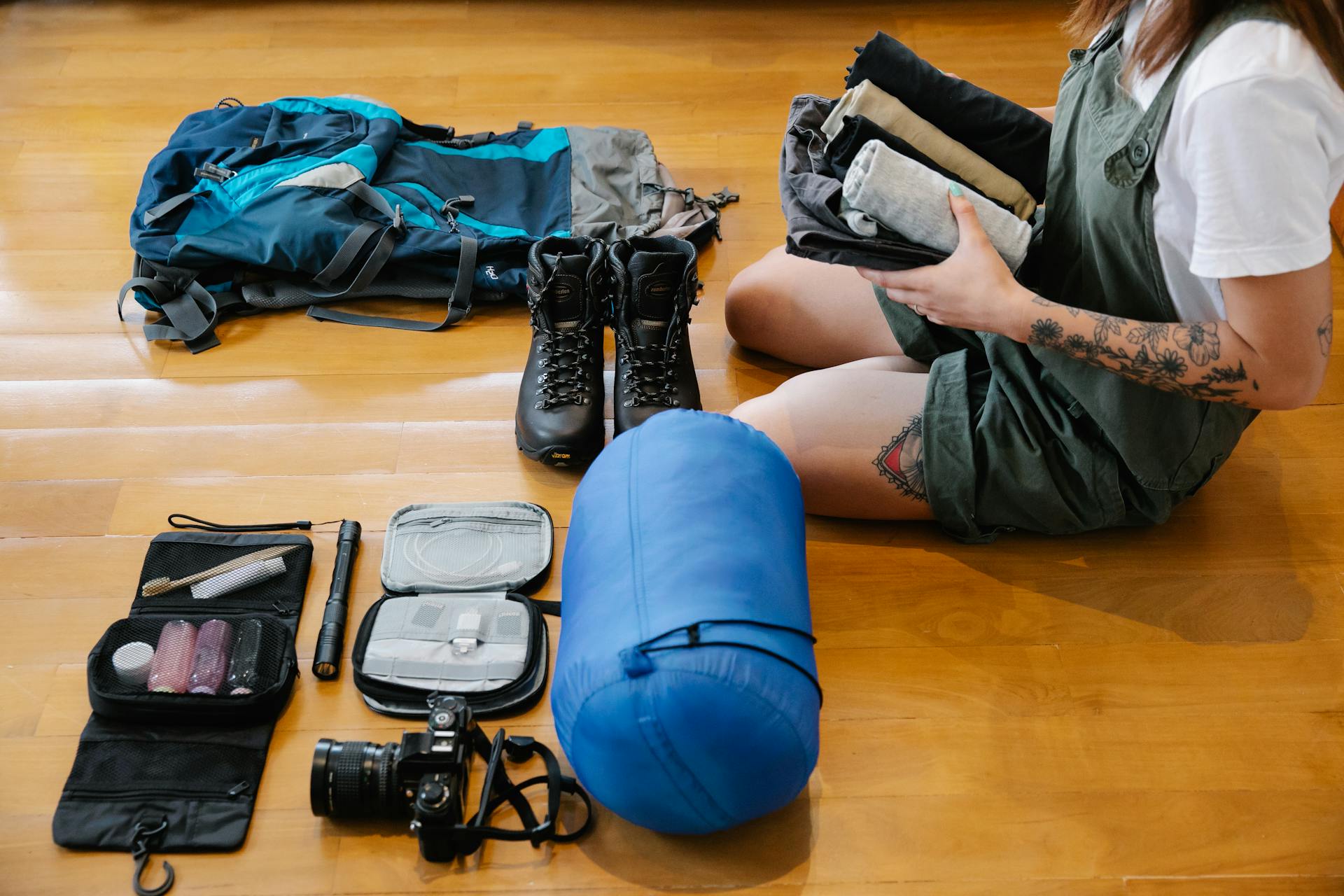
Packing smart is the foundation of a safe, comfortable, and enjoyable Himalayan trek. The right gear keeps you warm, dry, and prepared — while overpacking can slow you down and drain your energy.
If you're unsure how to choose the right bag or organize your load, we highly recommend understanding how to choose an ideal trekking backpack before you start. For a complete breakdown of what to carry and how to pack efficiently, check our detailed packing guide for Himalayan treks.
Here’s a complete checklist of everything you’ll need for a week-long Himalayan adventure. You can also download the full list here: Download Packing List
👕 CLOTHING (Layer Up!)
Layering is the most important concept in mountain clothing. Weather changes rapidly in the Himalayas — and your ability to add/remove layers keeps you comfortable.
- Base layers / Thermals (top & bottom) / 2 sets / Essential for cold nights
- Fleece jacket or sweater / 1 / Lightweight warmth
- Waterproof down or padded jacket / 1 / Preferably with a hood
- Quick-dry trekking t-shirts / 2–3 / Avoid cotton (retains sweat & causes chills)
- Trekking pants / 2 / Convertible pants ideal
- Warm innerwear (night use) / 1–2 / For sleeping comfort
- Waterproof & windproof jacket / 1 / Mandatory in unpredictable weather
- Rain poncho or Backpack cover / 1 / Always carry
- Woolen cap or Balaclava / 1 / Protects head & ears
- Sun cap or Hat / 1 / Prevents sun exposure
- Woolen gloves / 1 pair / Optional waterproof outer layer
- Trekking socks / 3–4 pairs / Synthetic or wool blend preferred
- Undergarments / As required / Quick-dry recommended
🥾 FOOTWEAR
Your shoes can make or break your trek.
- Trekking shoes / 1 pair / High ankle, good grip, already broken-in
- Floaters or slippers / 1 pair / For campsites & water crossings
❗ Never bring brand-new shoes — always test them before your trek to avoid blisters.
🎒 BAGS
Your backpack should be comfortable, durable, and properly sized for your trek.
- Backpack / 40–50 L / With rain cover & padded support
- Daypack / 10–20 L / Useful for summit pushes or short hikes
- Dry bags or Zip locks / 2–3 / Keep essentials dry
👉 A well-fitted backpack reduces fatigue and improves balance on uneven terrain. Learn how to choose one here: ideal trekking backpack guide.
🧼 TOILETRIES & PERSONAL CARE
Hygiene becomes even more important when facilities are limited.
- Biodegradable soap & shampoo / Travel size
- Toothbrush & toothpaste / Compact set
- Quick-dry towel / Lightweight microfiber
- Toilet paper & tissues / Essential
- Hand sanitizer & wipes / Prevent infections
- Lip balm with SPF / Prevent dryness & cracks
- Sunscreen (SPF 40+) / High-altitude protection
- Moisturizer / Dry weather essential
- Sanitary items / Pack extra + disposal bags
🩹 FIRST AID & MEDICATIONS
While your trek leader carries a medical kit, personal essentials are important.
- Personal medicines / Minimum 7 days supply
- Diamox (consult doctor) / For altitude sickness
- Pain reliever & Paracetamol
- Band-aids & blister tape
- Crepe bandage or knee support
- ORS / Electrolytes / Prevent dehydration
🔦 GADGETS & ESSENTIALS
- Headlamp or torch / With spare batteries
- Power bank / Fully charged
- Phone & charger / Offline maps downloaded
- Camera / Optional but useful
- ID proof copies / 2–3
- Notebook & pen / Optional journaling
🧘 TREKKING GEAR (Optional but Useful)
- Trekking poles / Great for descents & knee support
- Gaiters / Snow or muddy conditions
- Sleeping bag liner / Hygiene & warmth
- Energy bars & dry fruits / Quick energy
🔁 FINAL CHECKLIST: BEFORE YOU LEAVE
- ✅ ID Proof (Aadhar/Passport)
- ✅ Trekking shoes tested and broken-in
- ✅ Backpack with rain cover
- ✅ Proper cold gear
- ✅ Medical clearance (if needed)
Important for first-time trekkers: A perfect packing list comes with experience. If you're unsure about an item, ask yourself — “Will I really need this on the trail?” If the answer isn’t clear, it’s better to leave it out.
At the same time, don’t compromise on essentials. When in doubt, always consult someone experienced.
👉 Need help with packing or choosing the right gear? Talk to our team — we’ll guide you based on your trek, season, and experience level.
🌄 The Planethimalayas Way
The mountains don’t reward how much you carry — they reward how well you prepare.
Pack light, but pack right. Every item in your backpack should have a purpose. Extra weight slows you down, drains your energy, and takes away from the experience you came for.
Aim to keep your backpack between 7–9 kg (including water). Focus on essentials, trust your preparation, and let experience guide you with every trek.
And most importantly — respect the mountains. Carry back what you bring, avoid waste, and leave every trail better than you found it.
❓ FAQs – Packing for a Himalayan Trek
- How much weight should my trekking backpack be?
Ideally, your backpack should weigh between 7–9 kg including water. Keeping it light helps you conserve energy and maintain balance on uneven terrain. - What is the most important thing to pack for a Himalayan trek?
Layered clothing, proper trekking shoes, and hydration essentials are the most critical. These directly impact your safety and comfort in changing mountain conditions. - Can I carry extra clothes for comfort?
It’s better to avoid overpacking. Extra weight can slow you down significantly. Focus on functional, quick-dry, and multi-use clothing instead. - Do I really need a trekking backpack or will a normal bag work?
A proper trekking backpack is highly recommended. It provides better weight distribution, support, and comfort for long-distance walking. - What should I avoid packing for a trek?
Avoid heavy items, unnecessary gadgets, cotton clothes, and anything you “might” need but are unsure about. If it doesn’t serve a clear purpose, leave it. - How do I know if I have packed correctly?
If your bag feels balanced, within weight limits, and contains only essentials — you’re on the right track. When in doubt, consult experienced trekkers or guides.
