
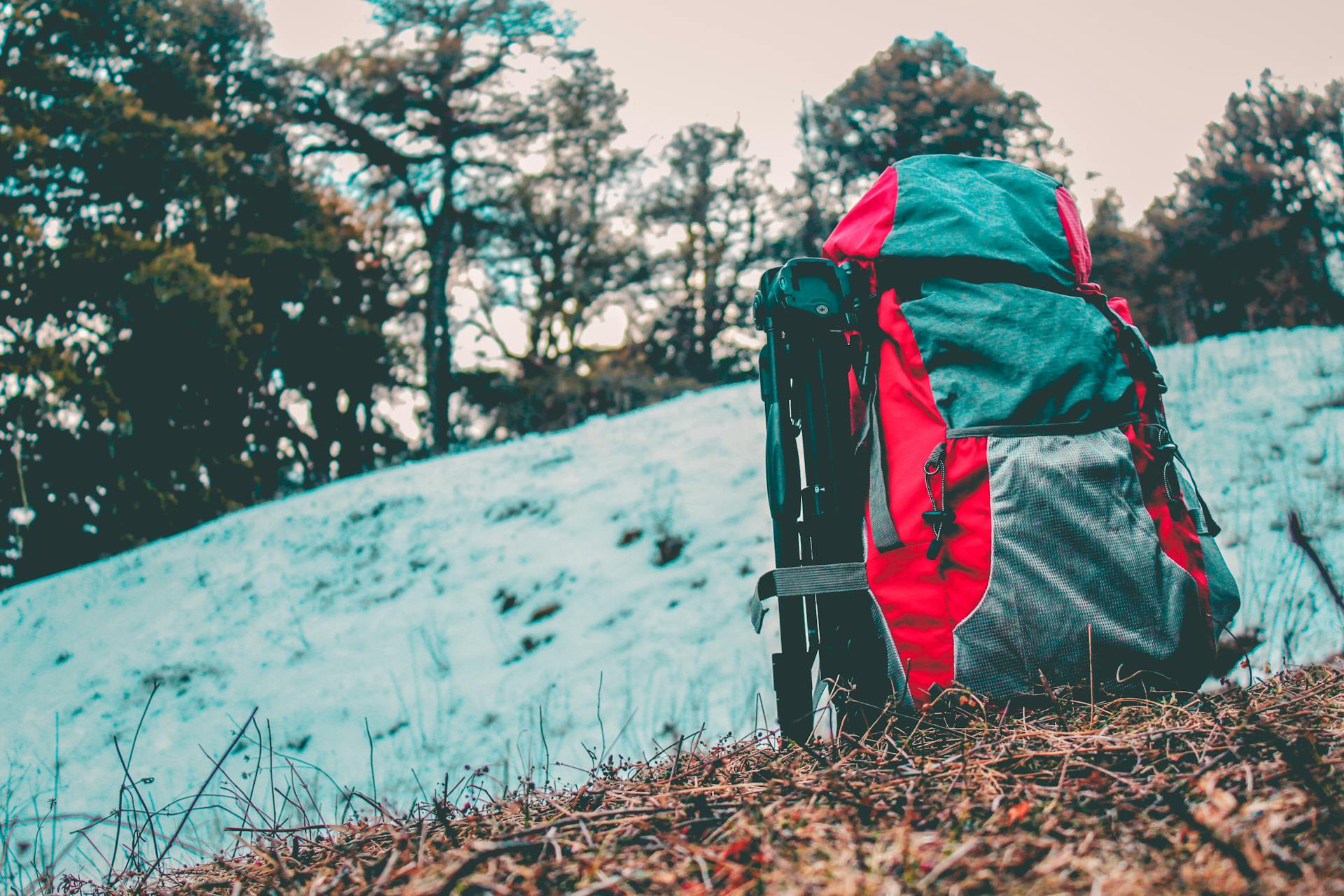
Choose right. Pack light. Trek smart.
Your backpack is your lifeline on the trail — it carries your essentials, supports your back, and stays with you every step of the way. Choosing the right trekking backpack for a Himalayan trek is not about brand or looks — it’s about fit, comfort, load distribution, and efficiency.
If you’re new to trekking, we recommend first understanding how packing works for Himalayan treks and then learning how to pack your backpack efficiently once you’ve selected the right one.
Here’s your complete guide to selecting the perfect trekking backpack.
✅ 1. Choose the Right Backpack Capacity
Backpacks are sized by volume (in liters), which determines how much you can carry. Choosing the right capacity is crucial for balance and comfort.
- 1–2 days (Short treks) – 20–35 Liters (Daypack)
- 3–5 days – 40–50 Liters
- 6–10 days (Himalayan treks) – 50–65 Liters
- Extended expeditions – 65–75 Liters
📝 Most Himalayan treks like Kedarkantha or Har Ki Dun work best with a 50–60L backpack.
Why this matters: A larger bag often leads to overpacking, while a smaller bag forces you to prioritize essentials — which is exactly what you want in the mountains.
🎒 2. Look for These Backpack Features
A good trekking backpack is designed for load distribution and long-distance comfort (see: Backpack).
- ✅ Padded shoulder straps: Reduce pressure on shoulders
- ✅ Hip belt: Transfers weight to hips (most important feature)
- ✅ Chest strap: Keeps the backpack stable
- ✅ Multiple compartments: Helps organize gear
- ✅ Top & front access: Easy access to items
- ✅ Rain cover: Essential for unpredictable weather
- ✅ Compression straps: Improves balance by tightening load
- ✅ Ventilated back panel: Reduces sweating and improves comfort
Pro insight: The hip belt should carry nearly 70% of your backpack weight — not your shoulders.
🧍 3. Fit Matters More Than Size
Backpacks are designed based on torso length (see: Human Back), not height.
- The hip belt should sit firmly on your hips
- Shoulder straps should fit snugly without gaps
- Your posture should remain upright — not pulled backward
🎒 Always test your backpack with 6–8 kg weight before buying or using it.
Why this matters: A poorly fitted backpack leads to fatigue, shoulder pain, and imbalance — especially during descents.
💡 4. Daypack or Main Backpack?
This depends on your trekking style:
- Guided treks: Your main bag is carried → You need a 20L daypack
- Self-supported treks: You carry everything → 50–60L backpack required
Always confirm with your trek operator what you’ll need to carry.
🛍️ 5. Recommended Backpack Brands in India
Budget–Mid Range:
- Forclaz (Decathlon) – Durable & great value
- Wildcraft – Affordable and widely available
- Quechua – Beginner-friendly
Premium Options:
- Osprey – Excellent fit & comfort
- Deuter – Proven performance
- Gregory / Ferrino / The North Face – Advanced trekking gear
🚫 6. Common Mistakes to Avoid
- ❌ Buying oversized backpacks “just in case”
- ❌ Ignoring fit and focusing only on brand
- ❌ Not using the hip belt properly
- ❌ Overloading beyond 8–10 kg
Reality: Most trekking discomfort comes from poor packing and wrong backpack choice — not the trail itself.
🎯 7. Test Before You Trek
- Adjust all straps properly
- Practice packing efficiently
- Do trial walks with weight
🏔️ A well-fitted backpack improves balance, reduces fatigue, and makes your trek significantly more enjoyable.
🌄 The Planethimalayas Way
The mountains don’t care how strong you are — they care how well you carry yourself.
Your backpack is not just gear — it’s your system of survival. Every strap, every adjustment, every item inside it plays a role in how efficiently you move in the mountains.
Choose wisely, pack intentionally, and travel light. That’s how you move better, conserve energy, and truly enjoy the journey.
❓ FAQs – Choosing a Trekking Backpack
- What size backpack is best for a Himalayan trek?
A 50–60L backpack is ideal for most Himalayan treks lasting 5–8 days. - Is a trekking backpack really necessary?
Yes. A proper trekking backpack ensures better weight distribution and reduces strain on your body. - How much weight should I carry?
Ideally 7–9 kg including water. Keeping weight low improves endurance and balance. - What is more important — brand or fit?
Fit is far more important than brand. A well-fitted budget backpack is better than an expensive ill-fitting one. - Can beginners use expensive backpacks?
Not necessary. Beginners can start with budget-friendly options and upgrade with experience. - How do I know if my backpack fits correctly?
If the weight feels balanced, your shoulders aren’t strained, and your posture remains upright — it fits well.
