
5 Best Himalayan Treks for Beginners with Breathtaking Mountain Panoramas
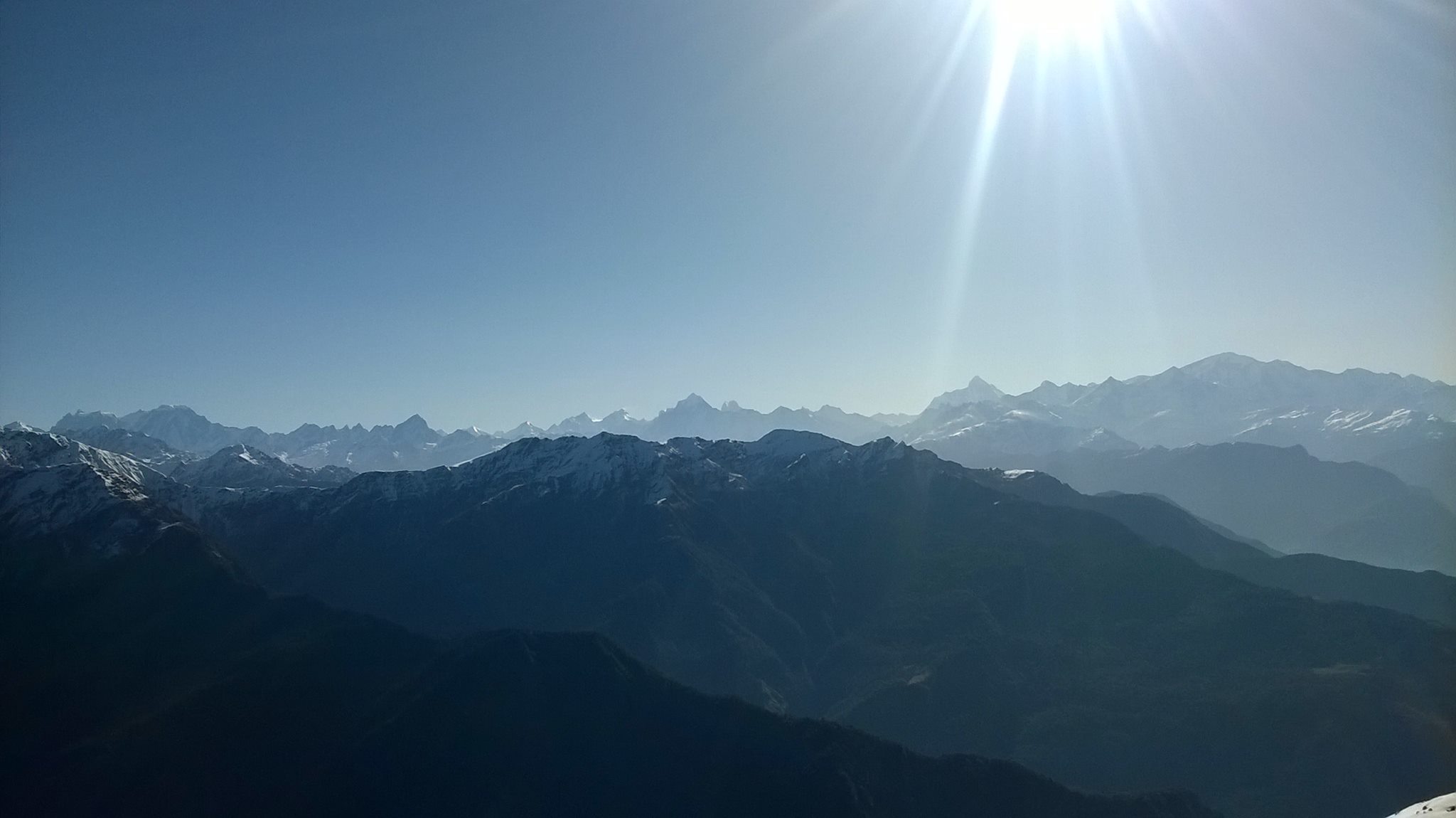
There is something unforgettable about seeing the Himalayas for the first time. The sudden appearance of a snow-covered mountain above a forest ridge, the sight of enormous peaks glowing in the first light of sunrise, or the feeling of standing on an open meadow with an endless mountain skyline in front of you—these are the moments that make Himalayan trekking special.
If you are planning your first Himalayan trek, choosing the right trail can make all the difference. You want a journey that introduces you to the mountains without overwhelming you, offers rewarding landscapes along the way, and most importantly, gives you those extraordinary panoramic views that you have probably seen in photographs.
The good news is that you do not need to be an experienced mountaineer to experience some of the finest mountain panoramas in India. Several Himalayan trails offer spectacular viewpoints through well-established trekking routes, beautiful forests, alpine meadows and gradual mountain ascents.
From the magnificent Chaukhamba massif in Garhwal to the legendary Sleeping Buddha formation in the eastern Himalayas, here are five Himalayan treks worth considering if you are a beginner looking for an unforgettable mountain-viewing experience.
1. Deoriatal–Chandrashila: A Himalayan Panorama with a Little Bit of Everything
Region: Garhwal Himalayas, Uttarakhand
Maximum Altitude: Approximately 12,500 ft
Difficulty: Easy to Moderate, depending on itinerary and conditions
Best Seasons: Spring, Autumn and Winter
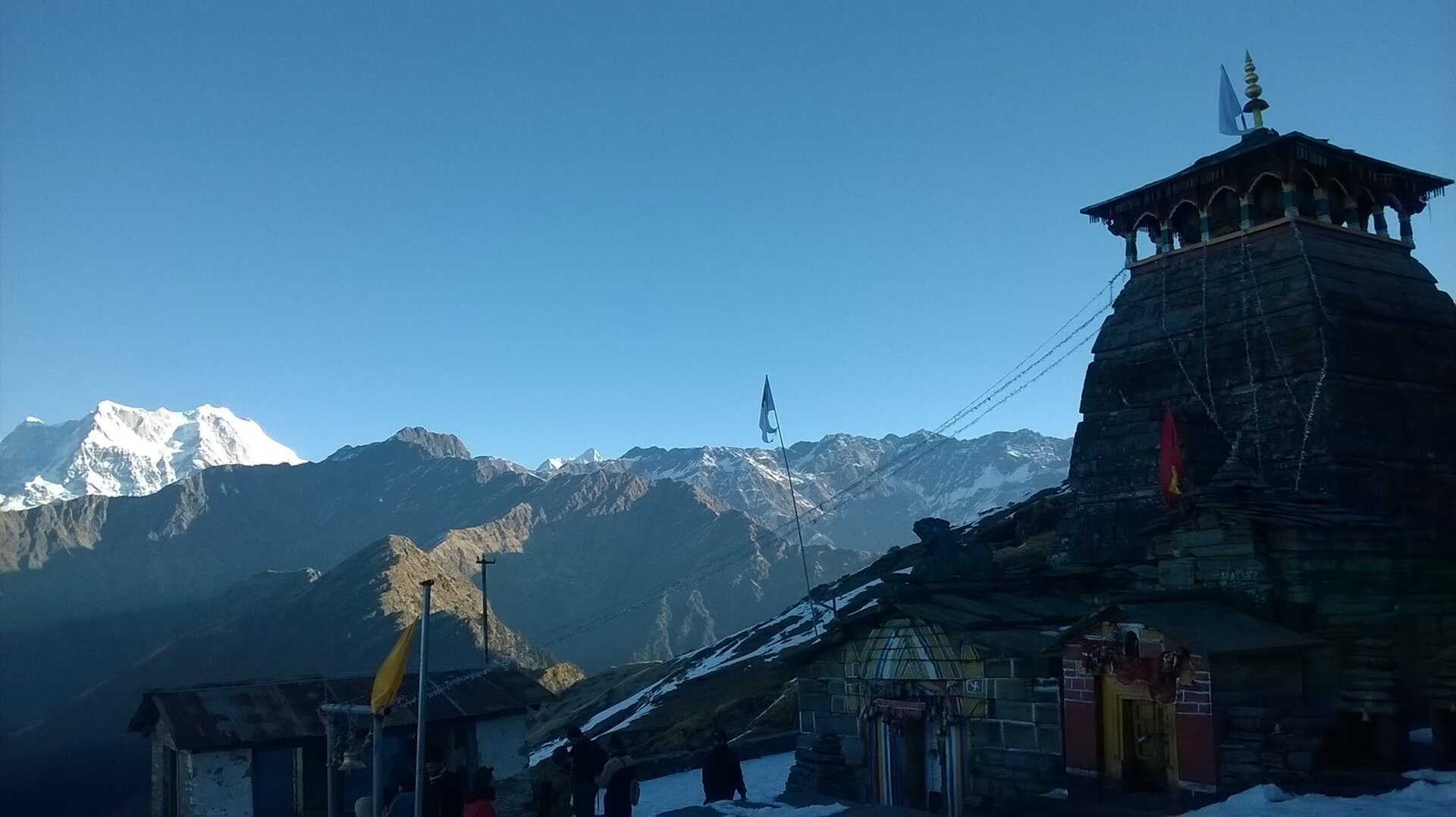

The Deoriatal–Chandrashila trek is one of the most rewarding introductions to Himalayan trekking. What makes it special is the variety of experiences packed into one journey. You begin with mountain villages and forest trails, discover a beautiful high-altitude lake, walk through the scenic Chopta region, visit the sacred Tungnath Temple and eventually climb to the Chandrashila summit for an expansive Himalayan panorama.
Deoriatal Lake: Where Chaukhamba Meets Its Reflection
One of the earliest highlights is Deoriatal Lake, a beautiful mountain lake surrounded by forested slopes. On calm mornings, the water can reflect the magnificent Chaukhamba massif, creating one of the most recognisable landscapes in Uttarakhand.
The sight of the snow-covered peaks mirrored in the still water is worth experiencing in its own right. It is a wonderful place to slow down, observe the changing mountain light and appreciate the quieter side of the Himalayas.
Chandrashila: A Grand Finale Above Tungnath
The real panoramic reward comes at Chandrashila. Rising to approximately 12,500 ft, the summit offers an extensive view across the Garhwal Himalayas on clear days.
The mountain skyline can include some of the region's most celebrated peaks, such as Nanda Devi, Trishul, Chaukhamba and Kedar Dome. Each mountain has its own character, and together they create an extraordinary horizon.
The final climb beyond Tungnath is steeper and more exposed than the lower forest sections. In winter, snow and ice can significantly increase the difficulty, so this should be approached with proper equipment and experienced guidance.
For beginners who want more than just a summit photograph, Deoriatal–Chandrashila offers a beautiful combination of mountain scenery, forests, cultural landmarks and panoramic views.
2. Kuari Pass: A Front-Row Seat to the Mighty Garhwal Himalayas
Region: Chamoli, Garhwal Himalayas, Uttarakhand
Maximum Altitude: Approximately 12,500 ft
Difficulty: Easy to Moderate
Best Seasons: Winter, Spring and Autumn
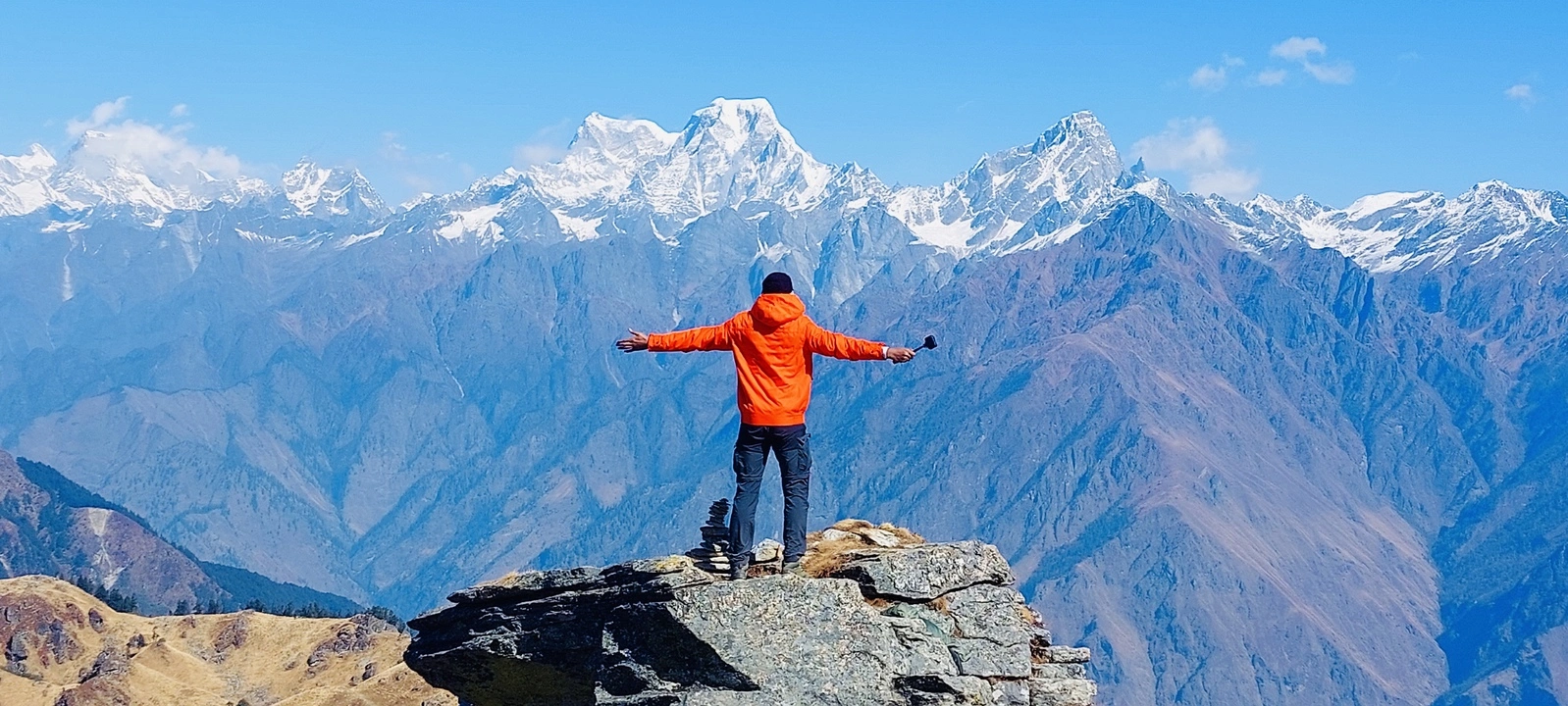
If your idea of a perfect Himalayan trek involves walking through open meadows with enormous snow-covered peaks dominating the horizon, the Kuari Pass trek deserves a place near the top of your list.
Also known as Lord Curzon's Trail, Kuari Pass is celebrated for its extensive mountain panoramas, beautiful forest sections and high-altitude meadows. The journey combines everything that makes the Garhwal Himalayas visually remarkable.
Tugashi Village: The Beginning of the Mountain Journey
On the Tugashi approach, the trek begins in the surroundings of Tugashi village, a traditional Himalayan settlement above Joshimath. The trail moves through mountain fields and forested slopes, gradually leaving the familiar village landscape behind.
As you gain elevation, the surroundings become increasingly open. The changing perspective of the surrounding ridges and distant snow-covered peaks makes the initial walk particularly rewarding.
Khullara: Meadows Beneath the Mountain Giants
Khullara is one of the memorable highlights of the Kuari Pass journey. Its open meadow setting creates a beautiful contrast against the surrounding forests and towering mountains.
The mountain views become increasingly impressive as you approach the higher sections. Dronagiri, Hathi Parbat and other prominent Garhwal peaks form part of the spectacular landscape.
It is the kind of place where you naturally find yourself slowing down—not because the trail demands it, but because the scenery deserves your attention.
Kuari Top: A Panorama That Stretches Across the Himalayas
The defining attraction of this trek is the extraordinary mountain panorama around Kuari Pass. On a clear day, the skyline reveals an impressive collection of Himalayan giants, including Nanda Devi, Kamet, Dronagiri, Chaukhamba, Neelkanth and Trishul.
Standing at the viewpoint and looking across these enormous mountain ranges is an experience that is difficult to describe. The peaks rise in layers, their snow-covered faces catching the sunlight while deep valleys and ridges disappear into the distance.
And then there is Nanda Devi—the magnificent mountain that gives this entire landscape a special character. Its immense presence is one of the most memorable sights along the Kuari Pass trail.
Gorson Bugyal: Walking Through an Open Himalayan Landscape
The journey also takes trekkers through the beautiful Gorson Bugyal, a vast alpine meadow near Auli. The open grasslands, surrounding forests and expansive mountain views create a completely different atmosphere from the narrower forest trails encountered earlier.
During winter, snow can transform the meadow into a beautiful white landscape. In warmer months, its rolling slopes take on shades of green and gold.
Kuari Pass is a rewarding option for reasonably fit beginners who want a more immersive Himalayan experience. It is a moderate trek, however, and its longer walking sections and high-altitude terrain require preparation.
3. Brahmatal: Frozen Lakes and the Magnificent Trishul–Nanda Ghunti Panorama
Region: Chamoli, Garhwal Himalayas, Uttarakhand
Maximum Altitude: Approximately 12,250 ft
Difficulty: Easy to Moderate, depending on conditions
Best Seasons: Autumn, Winter, and Spring
For anyone dreaming of a snow-covered Himalayan landscape, Brahmatal trek is one of the most rewarding trails to consider.
Unlike treks where the best mountain views appear only near the summit, Brahmatal offers beautiful scenery throughout the journey. Forest trails, open clearings, alpine lakes, snow-covered ridges and long stretches of mountain panoramas make this trek particularly attractive during winter.
Through Oak and Rhododendron Forests
The journey generally begins from Lohajung, a mountain settlement in Chamoli. From here, the trail gradually climbs through beautiful oak and rhododendron forests.
The forest sections provide a refreshing introduction to the landscape. In winter, snow settles on the branches and forest floor, transforming familiar woodland trails into a completely different environment.
As you gain altitude, the trees begin to thin out and the landscape opens into meadows and ridgelines with increasingly impressive mountain views.
Two Beautiful Lakes Along the Journey
One of the defining features of Brahmatal is its alpine lake landscape. Bekaltal and Brahmatal are two of the most memorable water bodies along the traditional route.
Bekaltal sits within a beautiful forest setting, creating an atmosphere of quiet seclusion. Brahmatal, on the other hand, occupies a more open alpine landscape surrounded by mountain slopes.
During colder winter periods, the lakes can freeze, creating a striking contrast against the surrounding snow-covered terrain. The extent of freezing depends on actual temperatures and weather conditions.
The Trishul and Nanda Ghunti Panorama
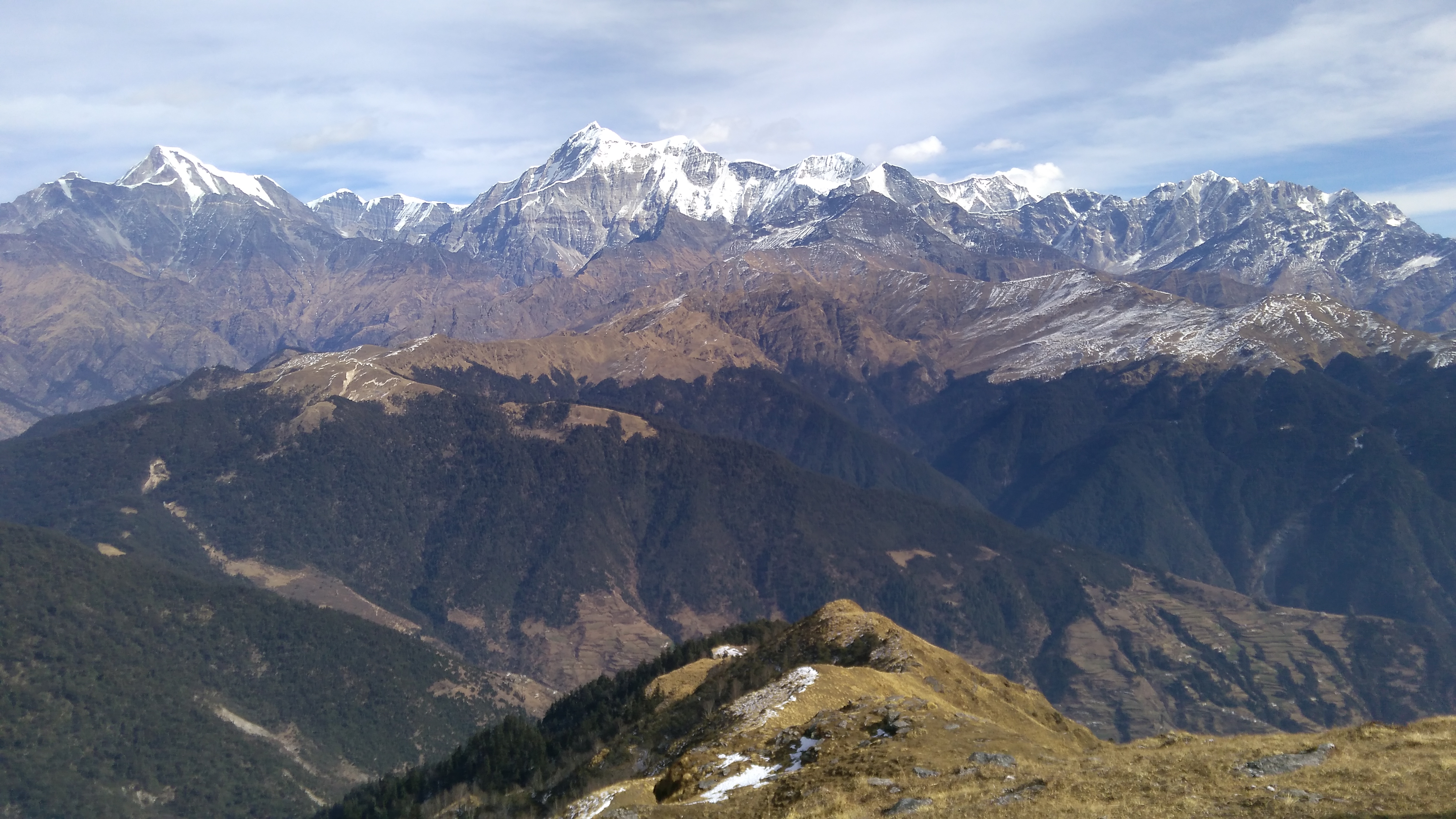
The biggest visual attraction of Brahmatal is undoubtedly its mountain skyline. The imposing Mt. Trishul and Mt. Nanda Ghunti dominate the views from several sections of the higher trail.
As you approach the ridge and summit viewpoints, the mountains appear increasingly prominent. On clear days, the panorama extends across multiple layers of Himalayan ranges, with other prominent peaks such as Chaukhamba and Neelkanth visible from suitable viewpoints.
For a beginner looking for a winter trekking experience, Brahmatal offers an excellent combination of snow-covered forests, beautiful lakes and impressive mountain scenery.
However, winter conditions should never be underestimated. Snowfall, icy trails and strong winds can make the trek substantially more demanding. Appropriate winter clothing, traction equipment and experienced trek leaders are essential.
4. Sandakphu: Witness the Legendary Sleeping Buddha Panorama
Region: Singalila Ridge, Darjeeling, West Bengal
Maximum Altitude: Approximately 11,930 ft
Difficulty: Moderate, with long walking stages
Best Seasons: Winter, Spring, and Autumn
Moving towards the eastern Himalayas, the Sandakphu trek offers one of the most extraordinary mountain panoramas in the country.
Located along the Singalila Ridge on the India–Nepal border, Sandakphu is famous for its sweeping views of some of the highest mountains on Earth. It is a particularly rewarding destination for trekkers who want to experience a completely different Himalayan landscape from the forests and alpine meadows of Uttarakhand.
The Legendary Sleeping Buddha
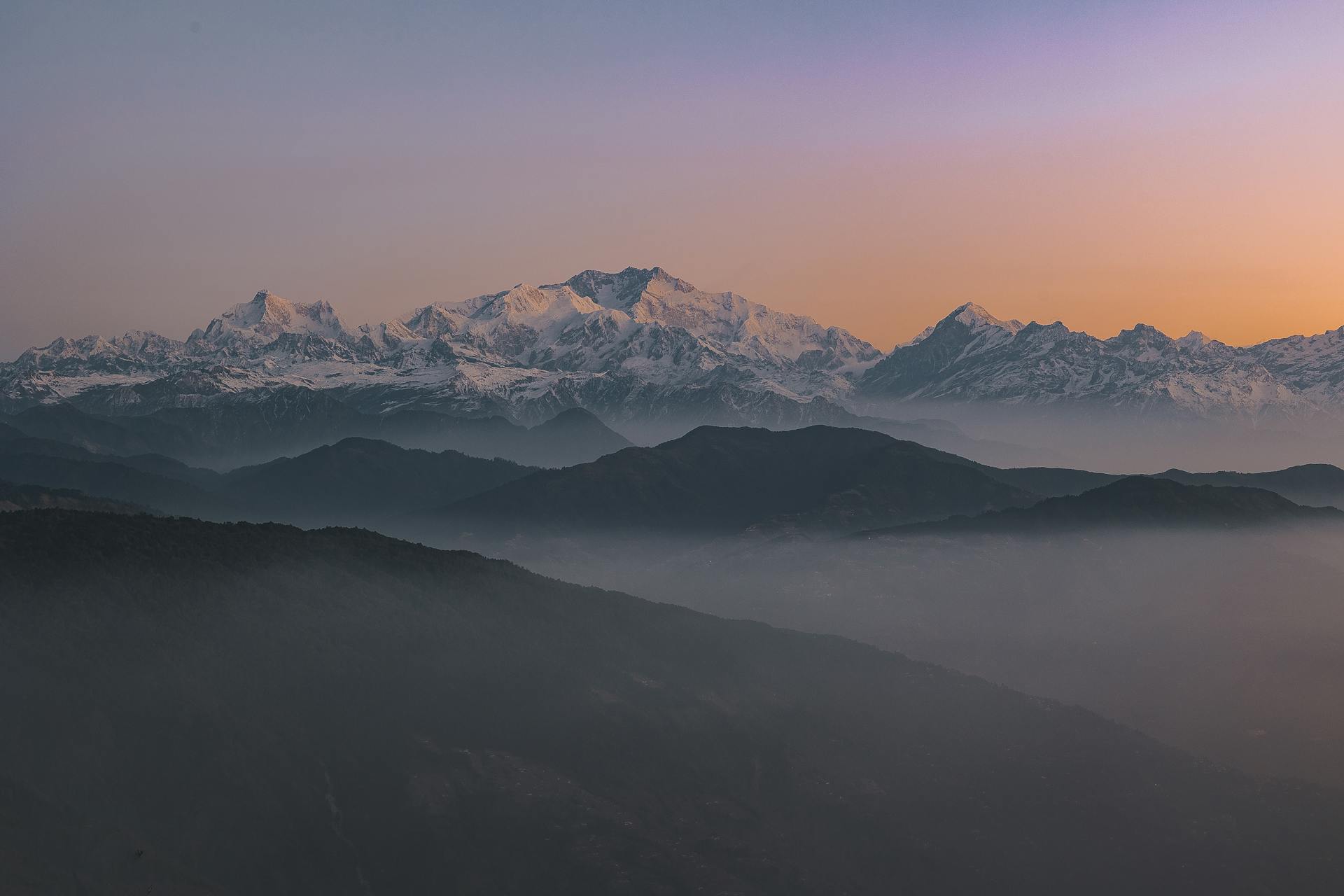
The most celebrated view from Sandakphu is the mountain formation popularly known as the Sleeping Buddha.
The mighty Kanchenjunga massif and its surrounding peaks create a distinctive silhouette that resembles a reclining Buddha. The formation is particularly striking during sunrise, when the first rays of sunlight illuminate the snow-covered mountain faces in shades of gold and orange.
But the panorama does not end there.
On exceptionally clear days, Sandakphu offers views of four of the five highest mountains in the world:
- Mount Everest
- Mount Kanchenjunga
- Mount Lhotse
- Mount Makalu
Seeing these extraordinary peaks together from a single mountain viewpoint is what makes Sandakphu so special.
A Different Kind of Himalayan Trail
The Sandakphu journey is as interesting as its mountain panorama. The route passes through charming mountain settlements, rhododendron forests, open ridges and sections of the Singalila landscape.
Unlike many high-altitude Himalayan treks, the trail has a distinctive cultural character, with mountain lodges and settlements along the route. The landscape also offers opportunities to experience the local traditions and hospitality of communities living along the India–Nepal border.
Spring brings colourful rhododendron blooms to the region, while autumn is particularly rewarding for long-distance mountain visibility.
Sandakphu is an excellent option for beginners who are reasonably fit and comfortable with consecutive days of walking. Some stages are long, and the route gains considerable altitude, so it should not be mistaken for an effortless introductory walk.
5. Khaliya Top: Face to Face with the Panchachuli Peaks
Region: Munsiyari, Kumaon Himalayas, Uttarakhand
Maximum Altitude: Approximately 11,500 ft
Difficulty: Easy to Moderate
Best Seasons: Spring, Autumn and Winter
Not every spectacular Himalayan panorama requires a long multi-day expedition. Sometimes, a relatively short mountain journey can bring you face to face with some of the most impressive peaks in the region.
The Khaliya Top trek near Munsiyari is a wonderful example.
Situated in the Kumaon Himalayas, Khaliya Top is a beautiful alpine meadow known for its expansive views of the Panchachuli massif and surrounding mountain ranges.
A Forest Walk Towards an Open Mountain Meadow
The journey generally begins near Balati Bend, above Munsiyari. The trail gradually climbs through sections of oak, rhododendron and other Himalayan forest vegetation before opening into the high-altitude meadows.
The transition is beautiful. The shaded forest gradually gives way to open grasslands, and the surrounding mountain landscape becomes increasingly expansive as you climb higher.
The Panchachuli Panorama
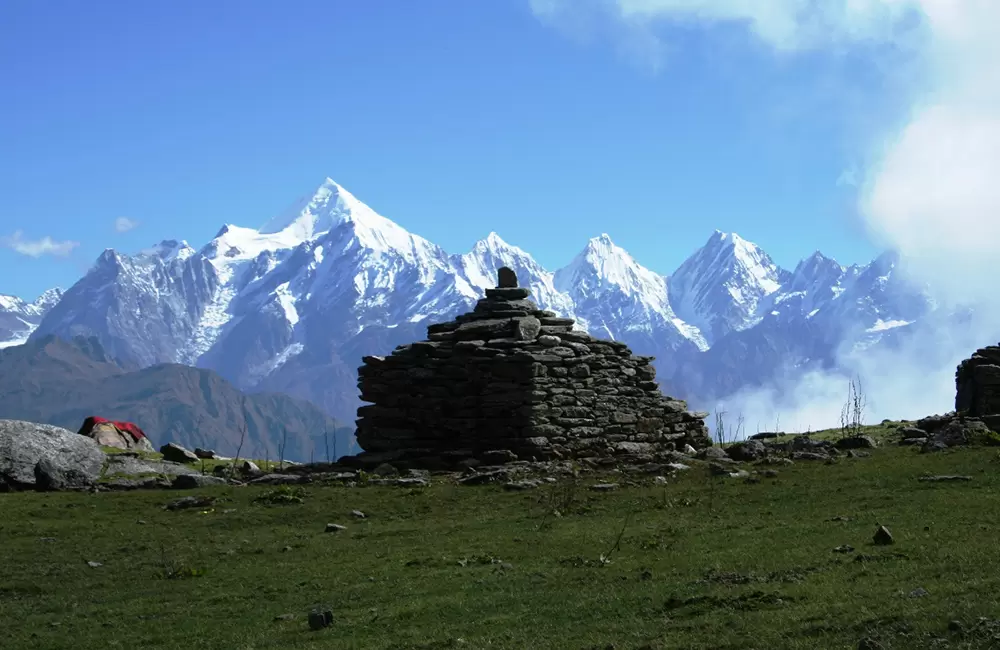
The real highlight of Khaliya Top is the magnificent view of the Panchachuli peaks.
The five prominent summits of the Panchachuli massif rise dramatically above the surrounding valleys, creating one of the most recognisable mountain skylines in Kumaon.
On clear days, the panorama can also include Nanda Devi East, Hardeol, Nandakot and other prominent peaks of the Johar region.
During winter, snowfall can transform the meadow into a beautiful white landscape, with the Panchachuli peaks rising prominently against the clear mountain sky. Spring and autumn also offer rewarding conditions for mountain photography and meadow walks.
Khaliya Top is particularly attractive for beginners who want a shorter trekking experience with an impressive mountain-view reward. However, the steady climb and altitude still demand reasonable fitness, and snow or ice can increase the difficulty considerably.
Which Himalayan Trek Should You Choose as a Beginner?
All five trails offer rewarding mountain experiences, but they are not identical. Your choice should depend on the kind of landscape you want to experience, your fitness level, available time and the season in which you plan to travel.
If You Want a Little Bit of Everything
Choose Deoriatal–Chandrashila. The combination of a beautiful lake, forest trails, meadows, Tungnath Temple and an impressive summit panorama makes it a wonderfully varied introduction to the Himalayas.
If Your Priority Is the Grandest Mountain Panorama
Choose Kuari Pass. Its sweeping views of Nanda Devi, Dronagiri, Kamet, Chaukhamba and other Garhwal peaks make it an exceptional choice for mountain lovers.
If You Want a Snowy Winter Adventure
Choose Brahmatal. Its alpine lakes, snow-covered forests, open ridges and close views of Trishul and Nanda Ghunti create a memorable winter landscape.
If You Want to See the World's Highest Mountain Giants
Choose Sandakphu. The Sleeping Buddha formation and the opportunity to see Everest, Kanchenjunga, Lhotse and Makalu make it a truly distinctive Himalayan experience.
If You Prefer a Shorter Trek with Extraordinary Mountain Views
Choose Khaliya Top. Its beautiful meadow setting and impressive Panchachuli panorama make it a rewarding option for those looking for a shorter trekking experience from Munsiyari.
When Is the Best Time to Experience These Himalayan Panoramas?
The Himalayas look different in every season. Snow-covered ridges, blooming forests, green alpine meadows and clear post-monsoon skies each create a different kind of mountain experience.
Winter: Snow-Covered Mountains and White Landscapes
Winter is particularly attractive for trekkers who want to experience snow-covered Himalayan trails and dramatic white landscapes.
Snowfall can transform forests, meadows and mountain ridges, creating extraordinary photographic opportunities. However, winter also brings colder temperatures, icy trails and the possibility of changing weather.
Best for: Snow landscapes, winter photography, frozen or partially frozen alpine lakes and dramatic mountain scenery.
Spring: Rhododendron Forests and Fresh Mountain Colours
Spring brings a different kind of beauty to the Himalayas. As temperatures rise, rhododendrons bloom across sections of the forest, while the meadows begin to regain their colour.
Deoriatal–Chandrashila is particularly rewarding during the rhododendron flowering season. The forests around Chopta become colourful, while the higher mountains can still retain their winter snow.
Sandakphu is another beautiful spring destination, with flowering rhododendrons adding colour to the Singalila landscape.
Best for: Rhododendron blooms, forest walks, birdwatching and a mix of fresh greenery with snow-covered mountain peaks.
Autumn: Clear Skies and Long-Distance Mountain Views
For many mountain photographers, autumn is among the most rewarding seasons in the Himalayas.
After the monsoon, the skies often become clearer, revealing distant mountain ranges with remarkable sharpness on settled days. The forests and meadows also develop beautiful earthy and golden tones.
Kuari Pass, Deoriatal–Chandrashila, Sandakphu and Khaliya Top are particularly rewarding destinations for trekkers who prioritise long-distance mountain visibility.
Best for: Clear mountain panoramas, photography, crisp mornings and peaceful forest landscapes.
Are These Himalayan Treks Really Suitable for Beginners?
Yes, these trails can be excellent introductions to Himalayan trekking for people who are reasonably fit and willing to prepare for the demands of mountain walking. However, it is important to understand that beginner-friendly does not mean effortless.
Some of these routes involve several consecutive days of walking, sustained uphill sections, high-altitude camps and changing weather conditions. The altitude can affect people differently, even if they are physically active.
Before choosing a trek, consider the following:
- Build your fitness: Begin regular walking, stair climbing and cardiovascular exercise several weeks before departure.
- Understand the altitude: Follow a properly planned itinerary with adequate time for acclimatisation and pay attention to symptoms of altitude sickness.
- Prepare for the season: Winter trekking requires suitable insulation, waterproof layers, appropriate footwear and traction equipment when snow or ice is present.
- Walk at a comfortable pace: Avoid rushing to keep up with faster trekkers. A steady pace and adequate rest make a significant difference.
- Choose experienced trek leaders: Local trail knowledge, weather assessment and responsible decision-making are essential in the mountains.
- Respect the environment: Carry reusable essentials, avoid single-use plastics and bring all non-biodegradable waste back from the trail.
A responsible trekking experience should always prioritise the safety and well-being of the group over reaching a particular summit or viewpoint.
The Mountains Are Waiting. Where Will Your First Trek Take You?
Your first Himalayan trek does not have to be about covering the greatest distance or reaching the highest possible altitude. It should be about discovering the mountains at a pace that allows you to enjoy them.
Perhaps it is the reflection of Chaukhamba in Deoriatal that draws you towards Garhwal. Perhaps it is the immense Himalayan skyline from Kuari Pass, the frozen beauty of Brahmatal, the legendary Sleeping Buddha panorama from Sandakphu or the magnificent Panchachuli peaks from Khaliya Top.
Each trail has its own personality, and each offers a different way of experiencing the Himalayas.
At Planethimalayas, we believe a great trek is about much more than reaching a destination. It is about thoughtful itineraries, experienced trek leaders, small groups, individual care and the confidence to enjoy the mountains responsibly.
Because the best Himalayan memories are not always made at the summit. Sometimes, they happen along the way.
More Than Just A Trek.
Frequently Asked Questions
1. Which is the best Himalayan trek for an absolute beginner?
Deoriatal–Chandrashila and Khaliya Top can be good starting options for reasonably fit beginners, depending on the itinerary and season. Deoriatal–Chandrashila offers a more varied multi-day experience, while Khaliya Top is a shorter mountain trek from Munsiyari. Both require preparation and should not be underestimated at altitude.
2. Which beginner-friendly Himalayan trek offers the best mountain views?
Kuari Pass is particularly famous for its extensive Garhwal Himalayan panorama, including Nanda Devi, Dronagiri, Kamet and Chaukhamba. Sandakphu offers an equally distinctive panorama of Everest, Kanchenjunga, Lhotse and Makalu.
3. Which is the best winter trek for beginners in Uttarakhand?
Brahmatal, Kuari Pass and Deoriatal–Chandrashila are popular winter choices. Their snow-covered forests, open meadows and mountain panoramas make them rewarding winter experiences. Actual difficulty depends on snowfall, ice, weather and the condition of the trail.
4. Can beginners do the Kuari Pass trek?
Yes, reasonably fit beginners can consider Kuari Pass with proper preparation and an experienced trekking team. It is a moderate high-altitude trek involving sustained walking and significant elevation gain, so regular fitness preparation is important.
5. Which Himalayan trek offers a view of Mount Everest and Kanchenjunga together?
Sandakphu in the Singalila region of West Bengal is famous for its panoramic views of Everest, Kanchenjunga, Lhotse and Makalu. Visibility depends on weather and atmospheric conditions.
6. Can I see Nanda Devi from beginner-friendly Himalayan treks?
Yes. Nanda Devi and its surrounding mountain landscape can be seen from suitable viewpoints on trails such as Chandrashila, Kuari Pass and Khaliya Top, depending on the viewing angle and visibility.
7. Is Brahmatal suitable for first-time winter trekkers?
Brahmatal can be a rewarding introduction to winter trekking for reasonably fit beginners. However, snow-covered and icy trails, cold temperatures and high-altitude conditions require proper winter equipment, preparation and experienced guidance.
8. What is the best time to see clear Himalayan mountain panoramas?
Autumn, particularly the post-monsoon period, often offers excellent long-distance visibility. Winter can also provide crisp mountain views when the weather is clear, while spring offers a combination of flowering forests and snow-covered peaks at higher elevations.
9. Do I need previous trekking experience for these trails?
Previous trekking experience is not essential for every trail, but good physical fitness, preparation and a willingness to adapt to mountain conditions are important. Some of the routes are moderate rather than easy, and winter conditions can increase their difficulty.
10. How should I choose between these five Himalayan treks?
Start with the kind of experience you want. Choose Deoriatal–Chandrashila for a varied mountain journey, Kuari Pass for extensive Garhwal panoramas, Brahmatal for winter lakes and snow landscapes, Sandakphu for the legendary Sleeping Buddha panorama, or Khaliya Top for a shorter trek with impressive Kumaon mountain views. Consider your available time, fitness, season and the actual conditions before making a decision.
